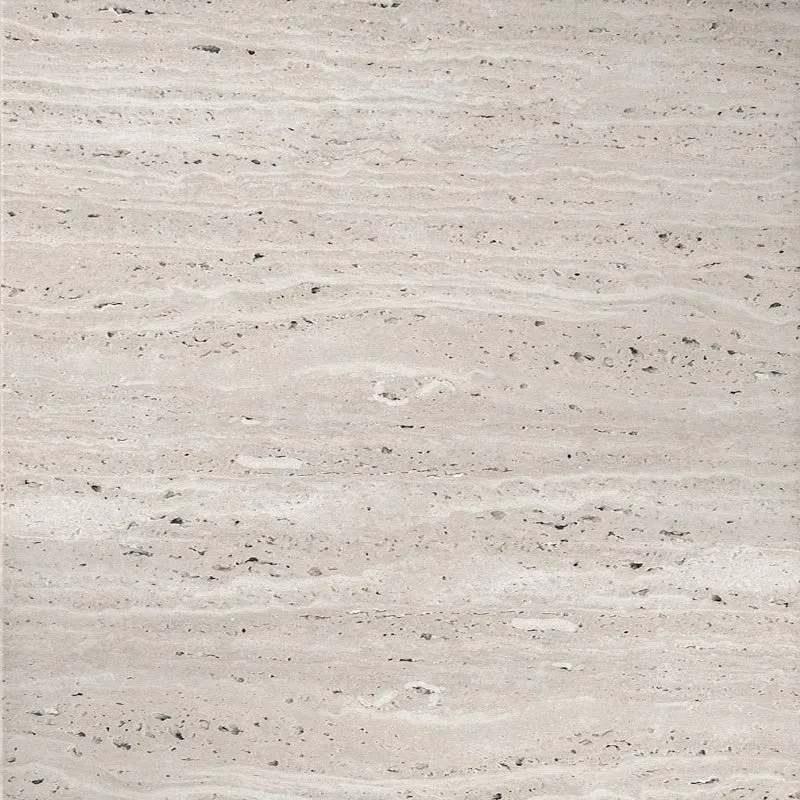
Marble — Material
Arabescato Marble Tables
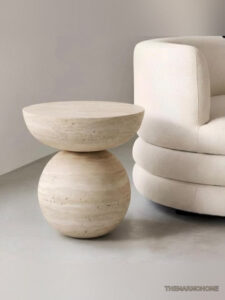
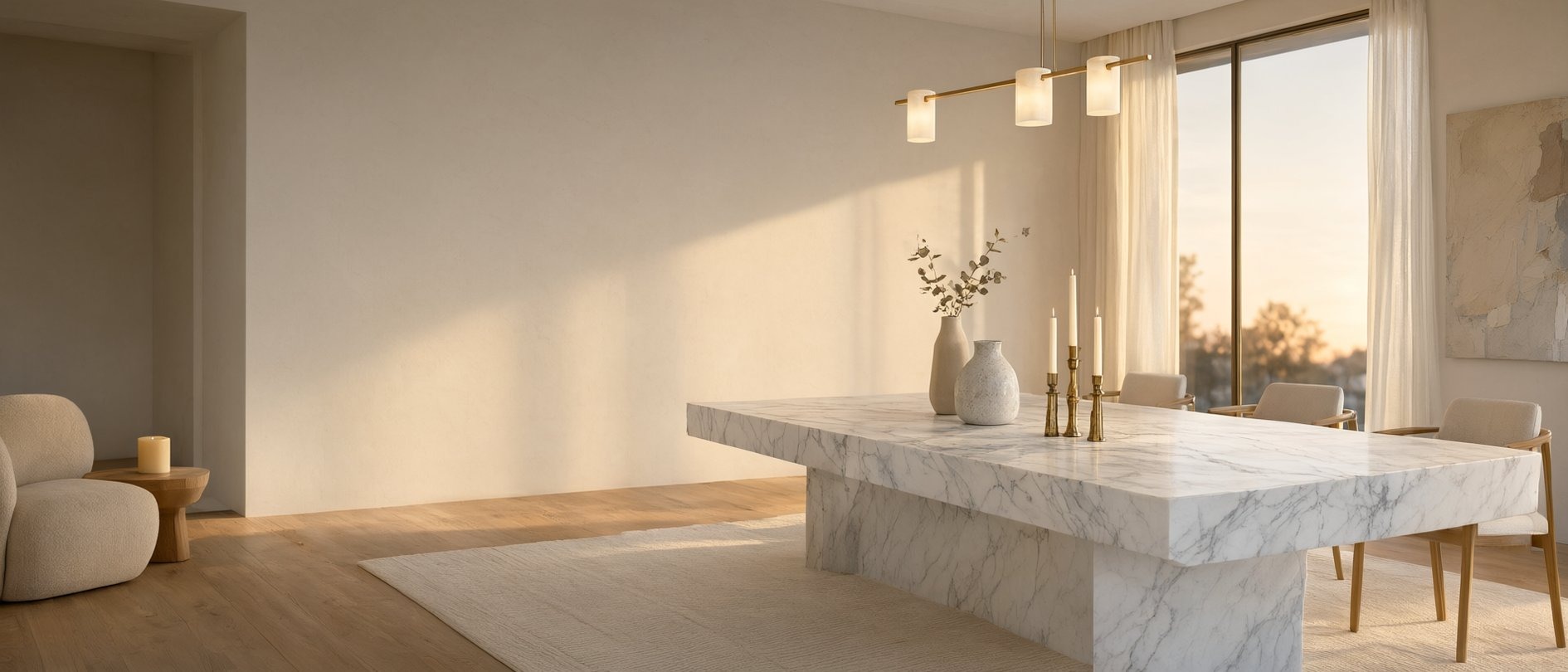
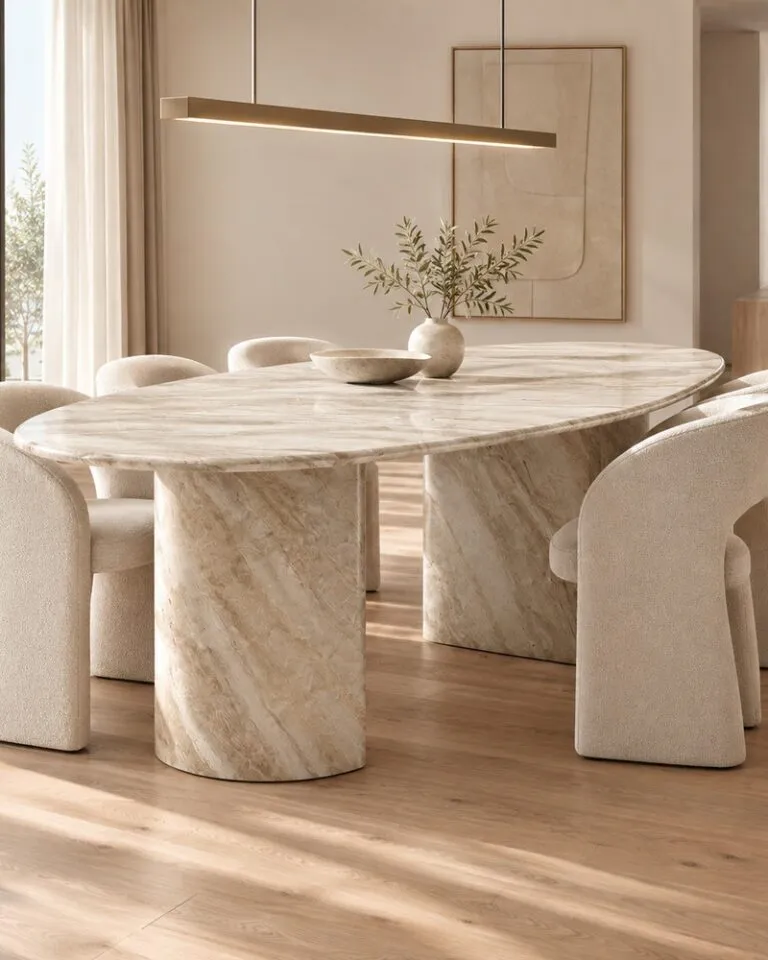
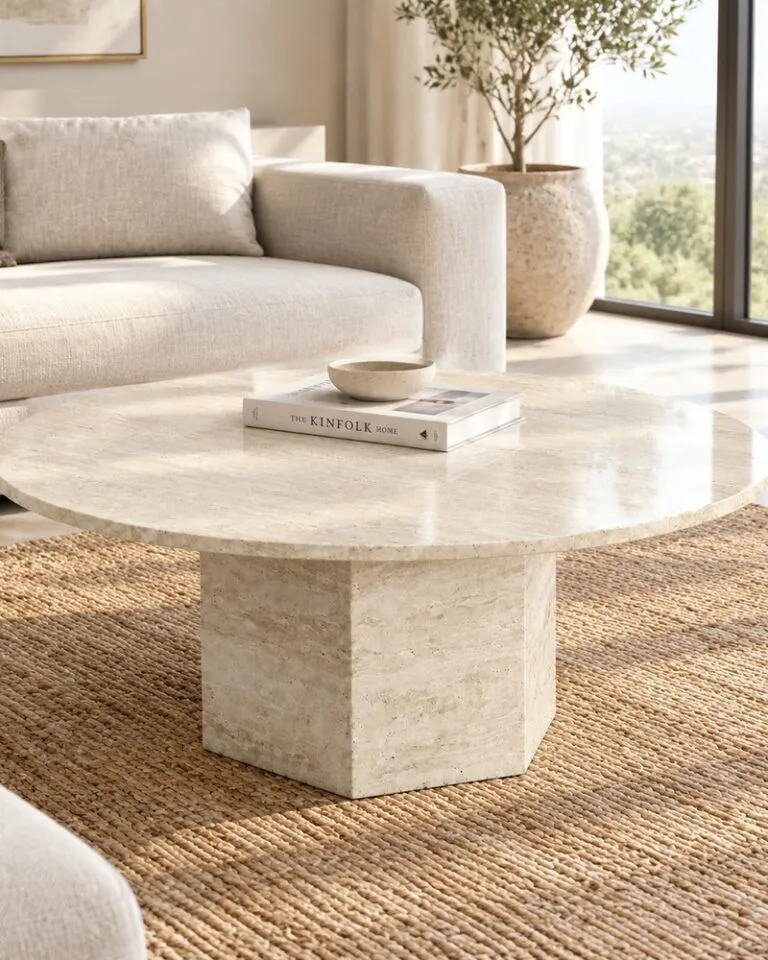
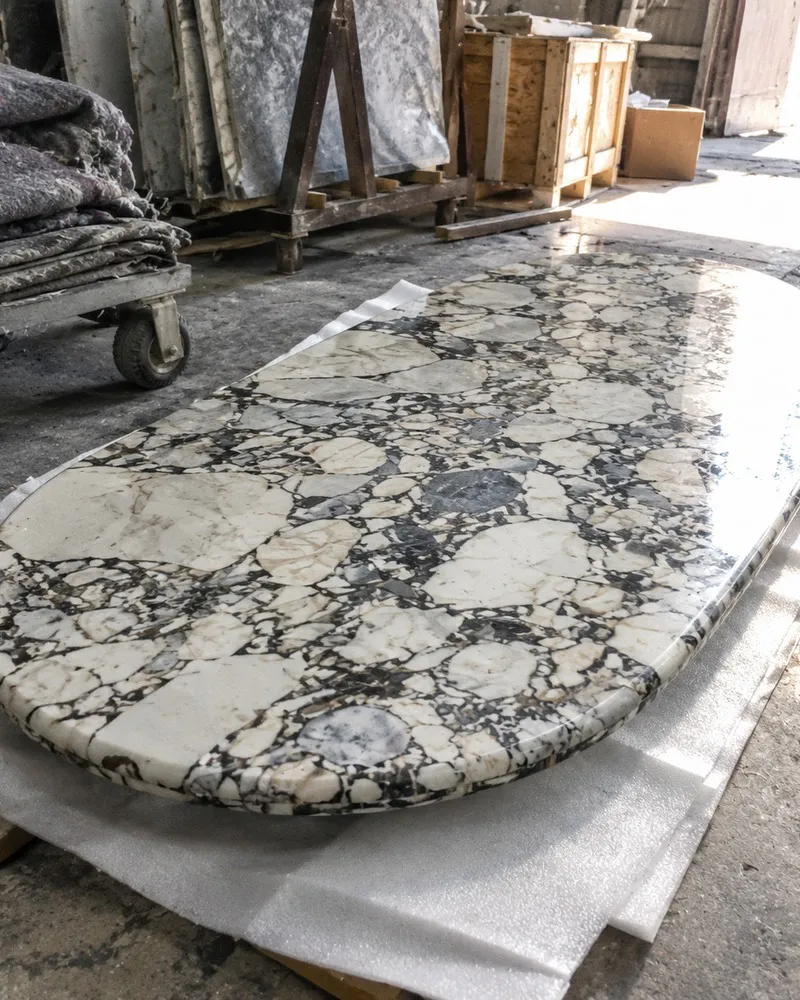
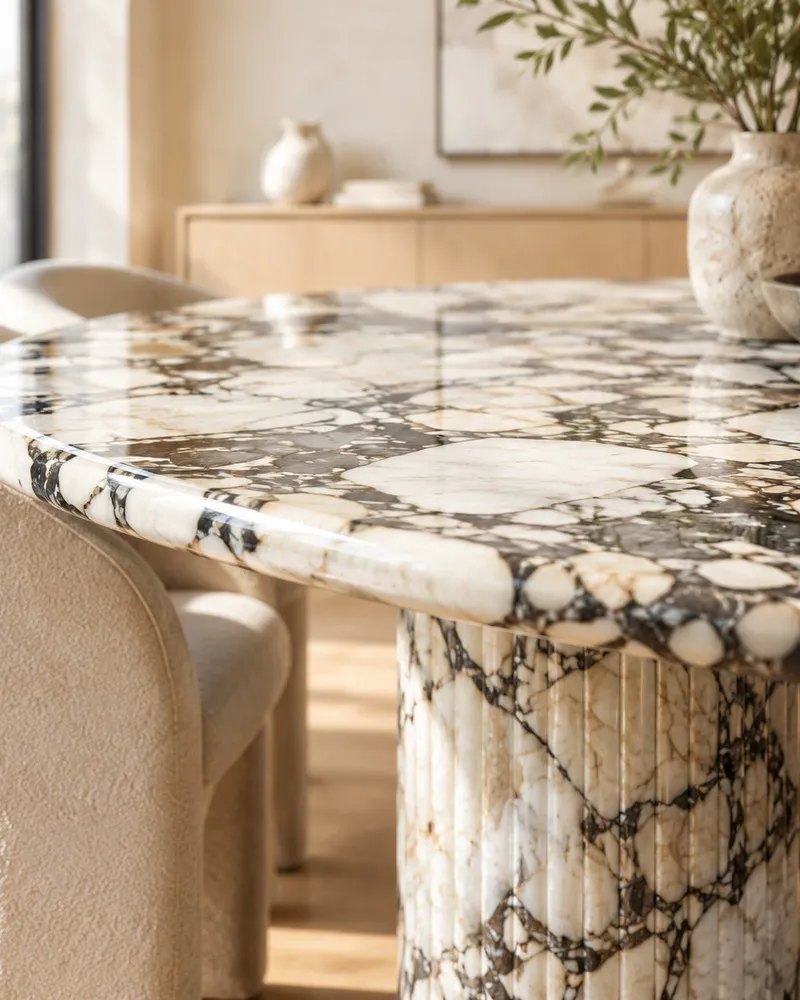
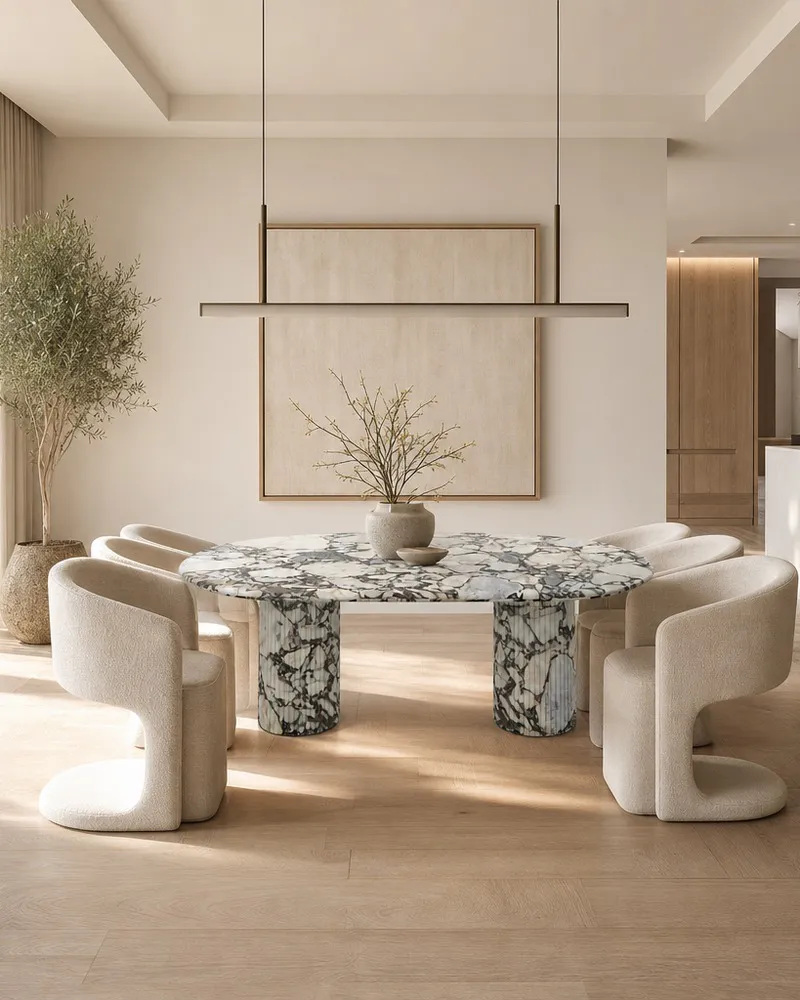
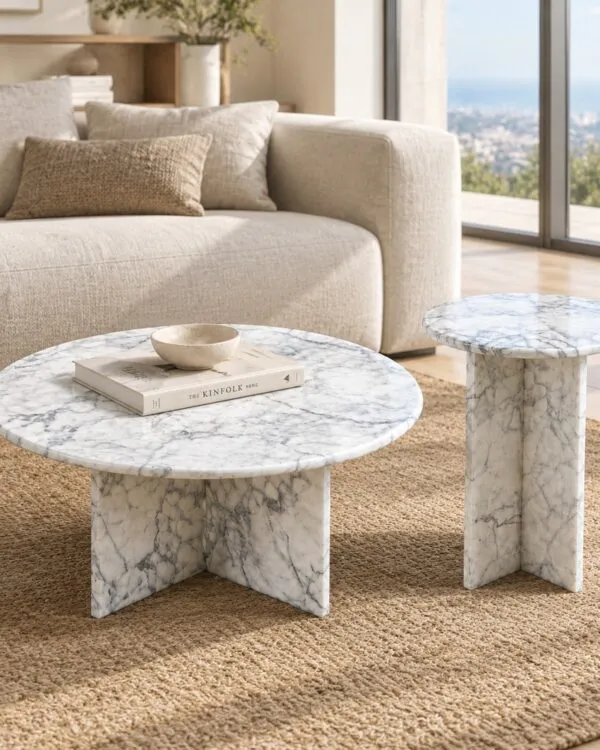
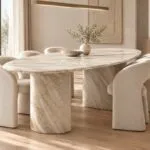
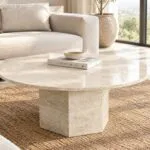
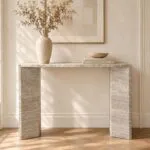
Arabescato marble tables bring quiet-luxury grey veining to the living and dining room — coffee tables, dining tables and consoles cut from a single slab in our own factory. Each piece is made to order, so the cloud-like grey lands exactly where you want it across the top.
- Origin
- Apuan Alps, Carrara basin — Italy
- Finish
- Polished · honed · brushed
- Available now
- 8 finished pieces
- Supply
- Factory direct — no middlemen
Where Arabescato comes from
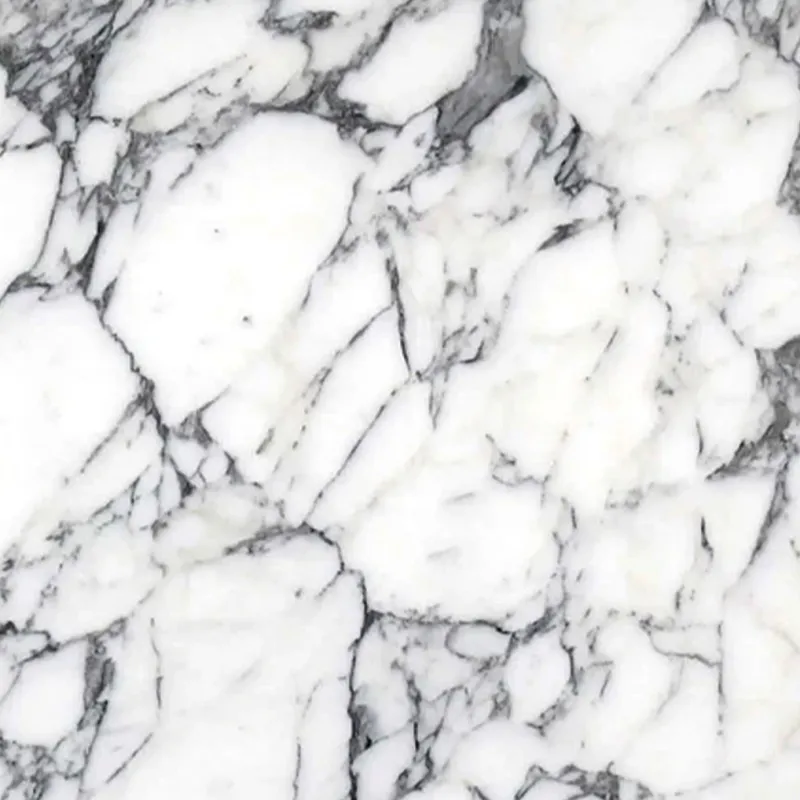
Arabescato is quarried in the Apuan Alps above Carrara, in northern Tuscany — the same mountain range that has supplied white and grey marble since Roman times. The stone forms in metamorphosed limestone, and it is the movement of the rock during formation that draws the grey minerals into the flowing, cloud-shaped veins the material is named for: arabescato means “arabesque”, after the ornamental scrollwork the pattern resembles.
Blocks are cut from the mountain in benches, then sawn into slabs at mills in the valley. Because the veining is a geological event rather than a printed pattern, no two blocks behave the same way: some open into broad, drifting clouds of grey, others into tight, almost graphic streaks. This is why we photograph the actual slab before cutting begins on made-to-order pieces.
How the veining reads in a room
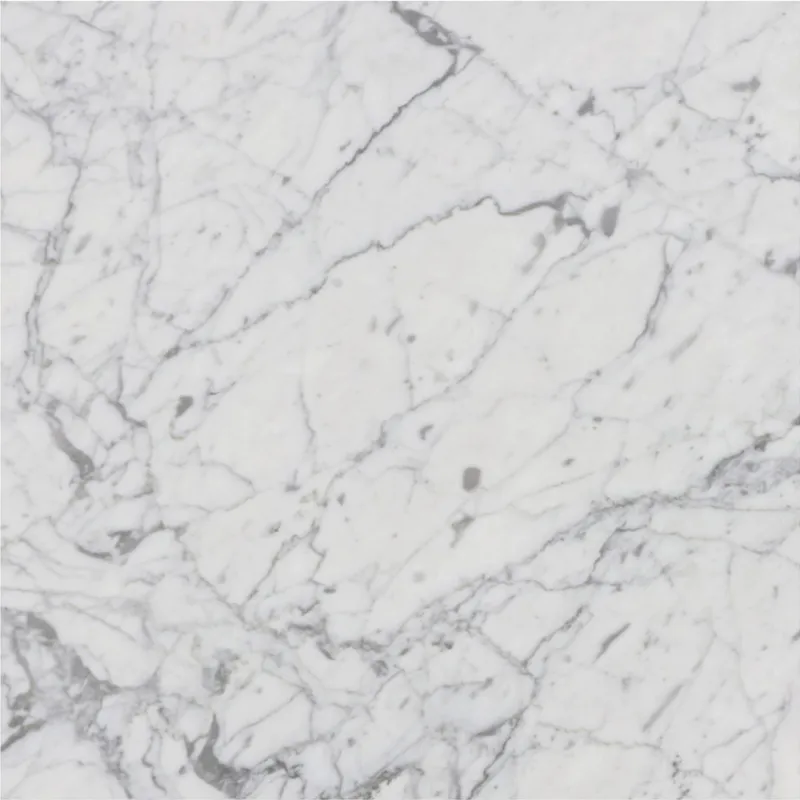
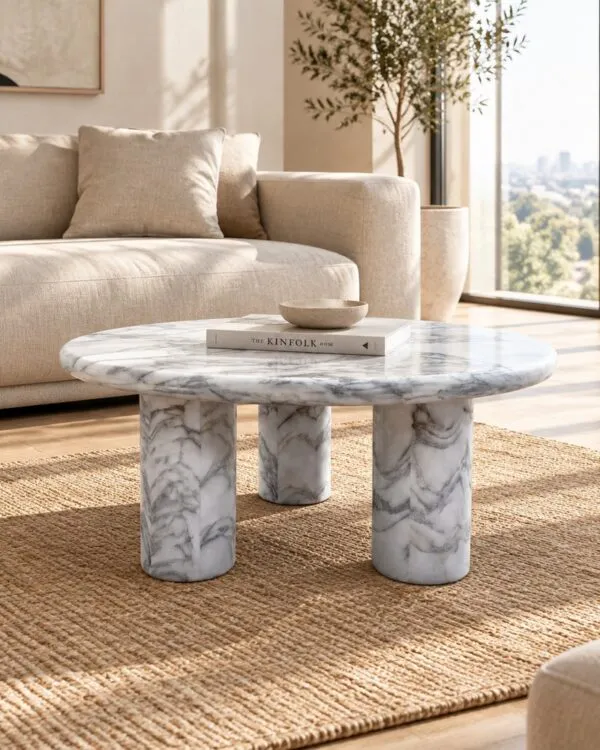
The base colour is a cool off-white with a faint grey cast rather than a warm cream, and the veining ranges from pale smoke to a dense graphite grey. In daylight the stone looks soft and almost watercolour; under warm interior lighting the contrast flattens and the whole surface settles into an even, quiet white-grey.
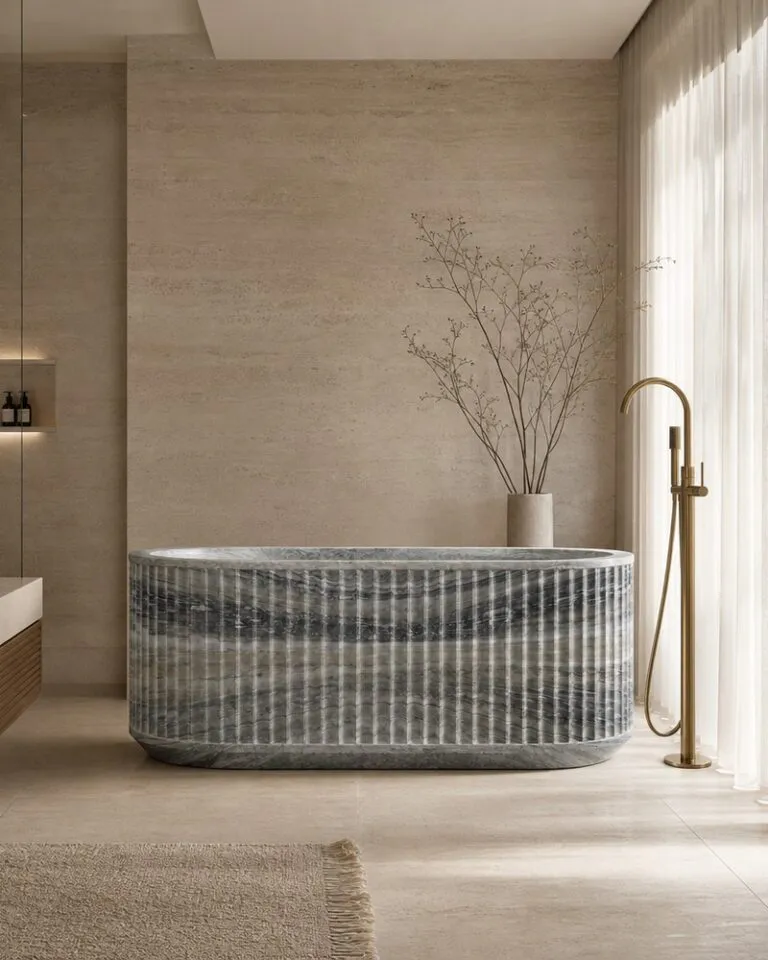
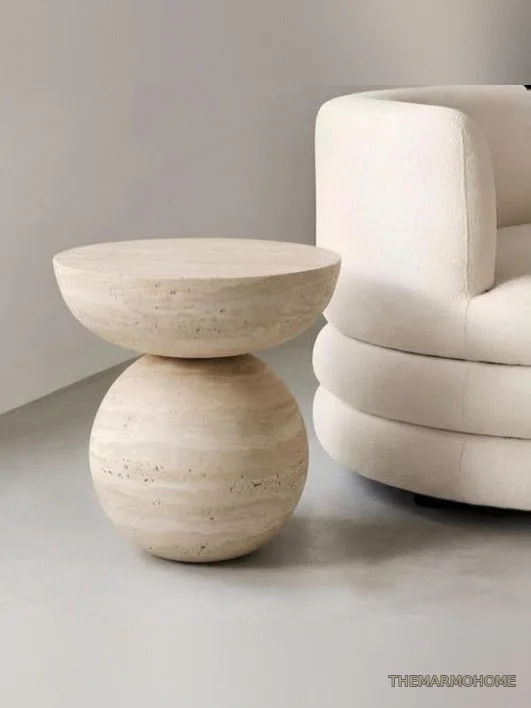
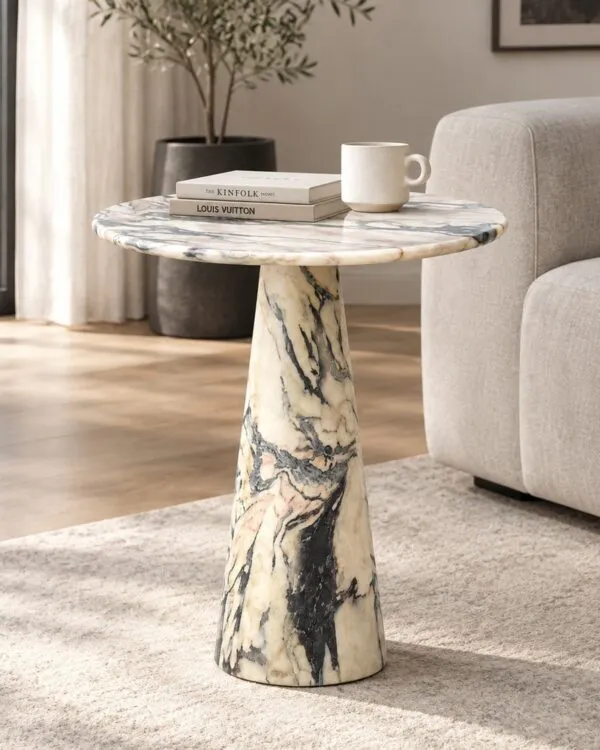
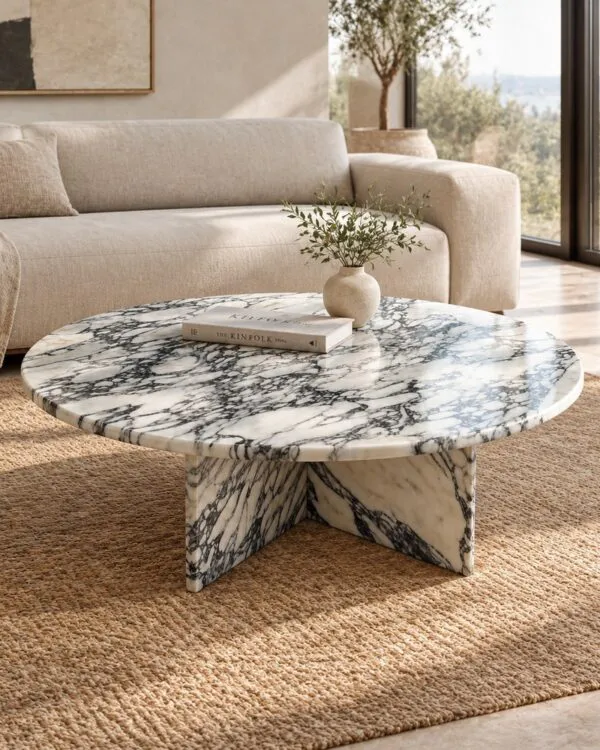
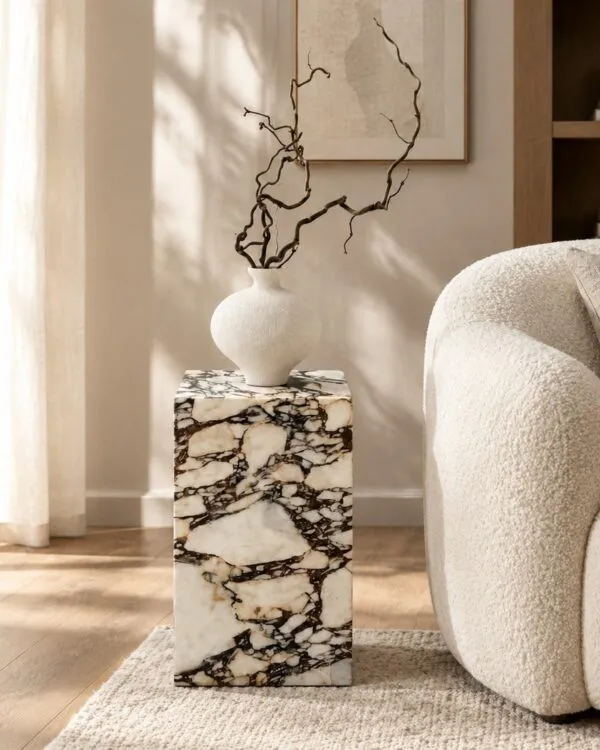
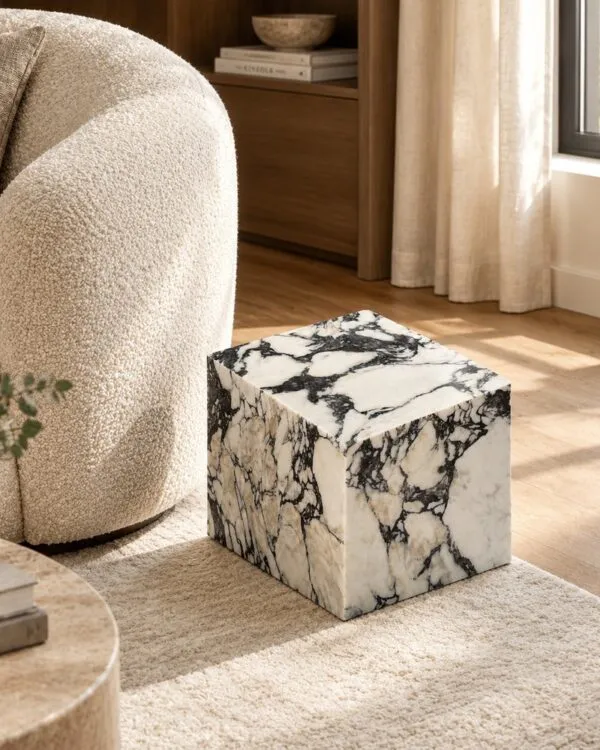
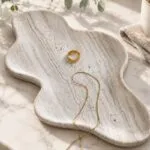
That behaviour makes Arabescato unusually forgiving. It sits comfortably next to oak, linen, brushed brass and matte black hardware without competing with any of them, and it does not darken a small room the way a strongly veined or dark stone can. On a large surface — a dining table top, a vanity run — the pattern reads as a single continuous drawing; on a small object such as a tray or a side table, you see a cropped detail of that drawing instead.
Colour range
- Bianco ground
- Warm shadow
- Soft grey vein
- Dense grey
Sampled from current production. Natural stone varies by block — the slab on your piece is photographed before cutting.
What it is best used for
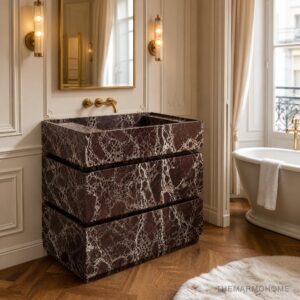
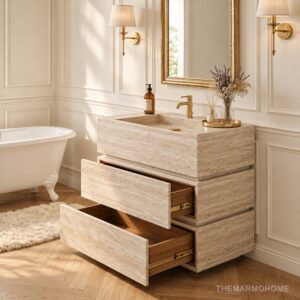
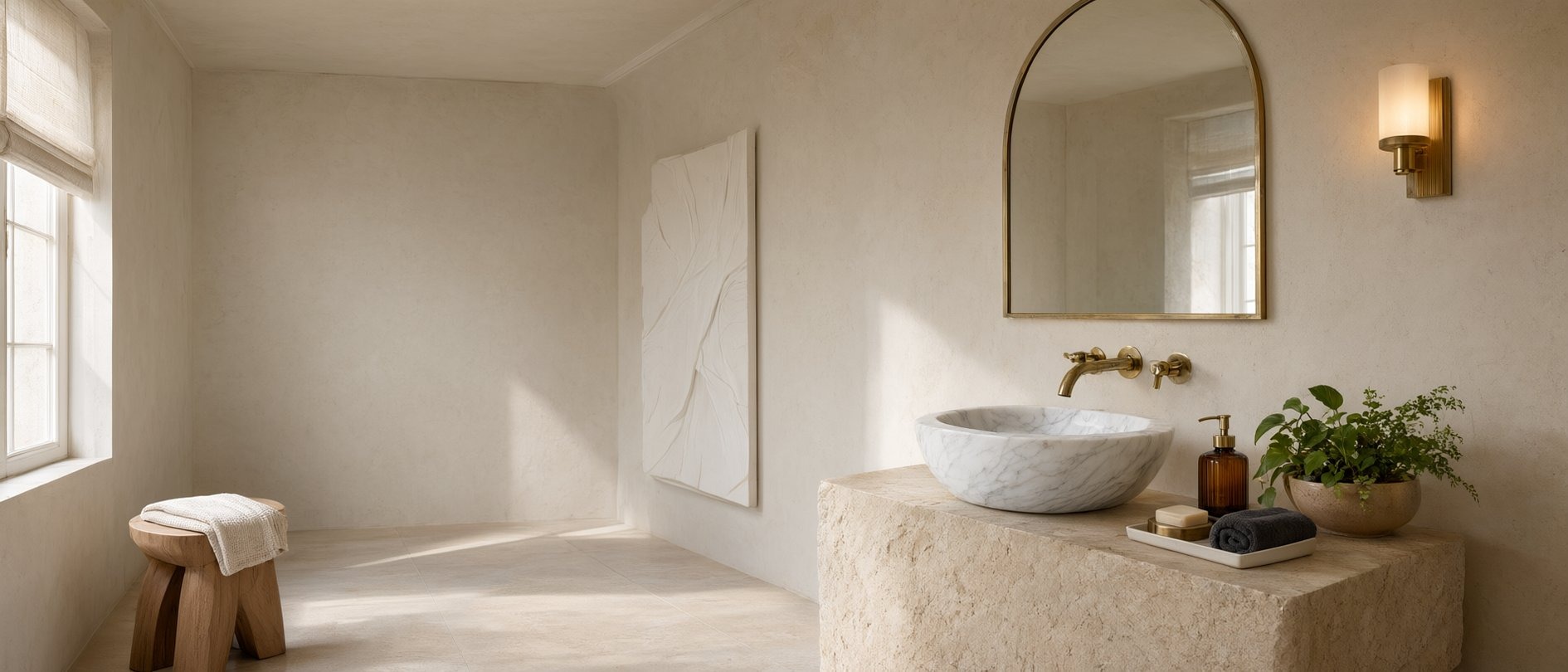
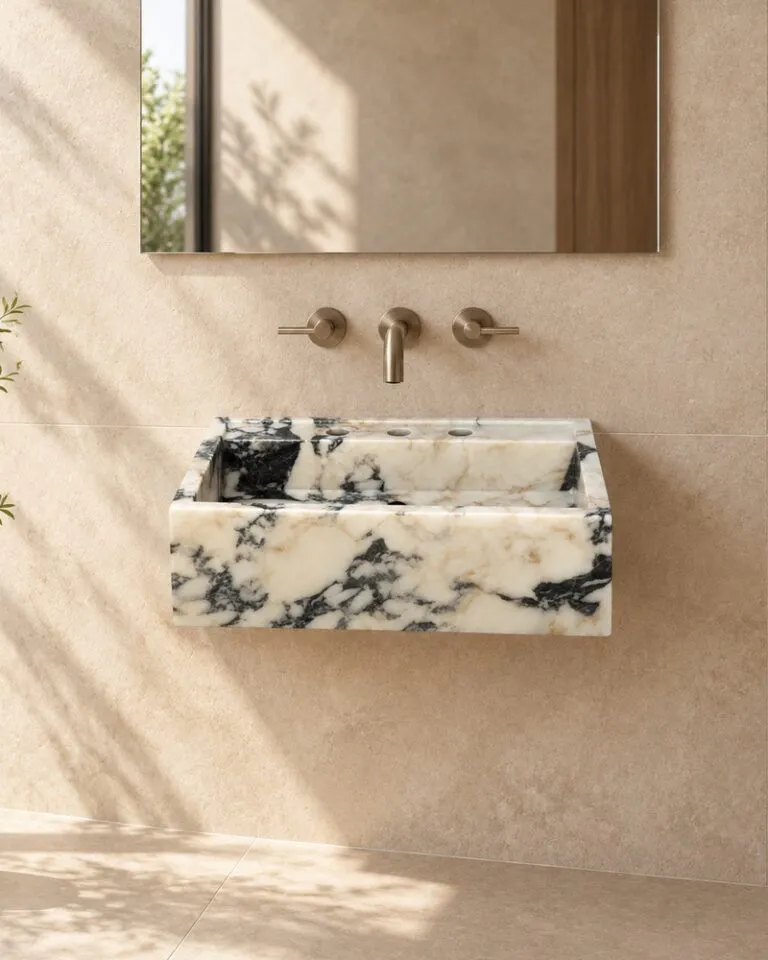
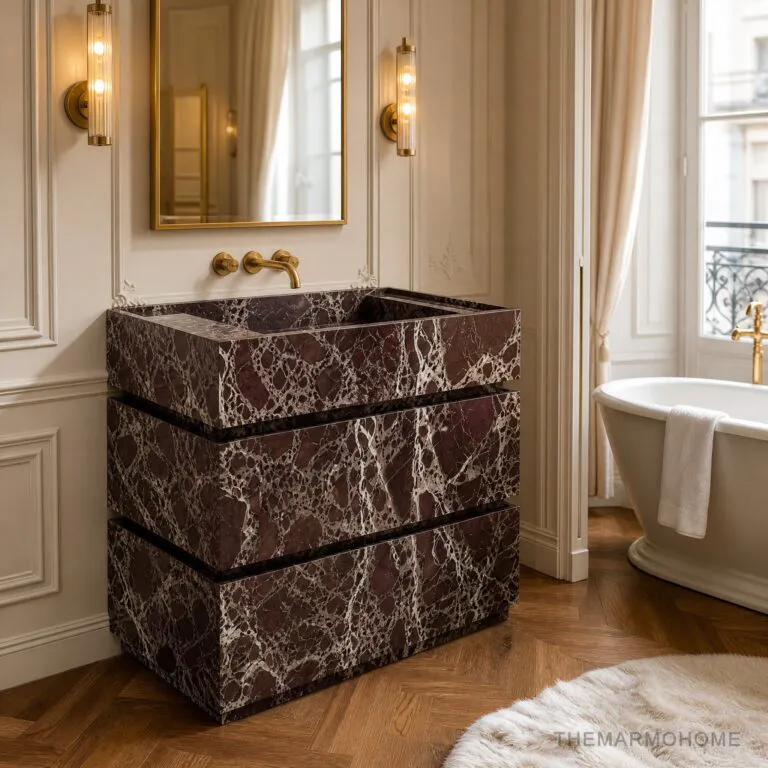
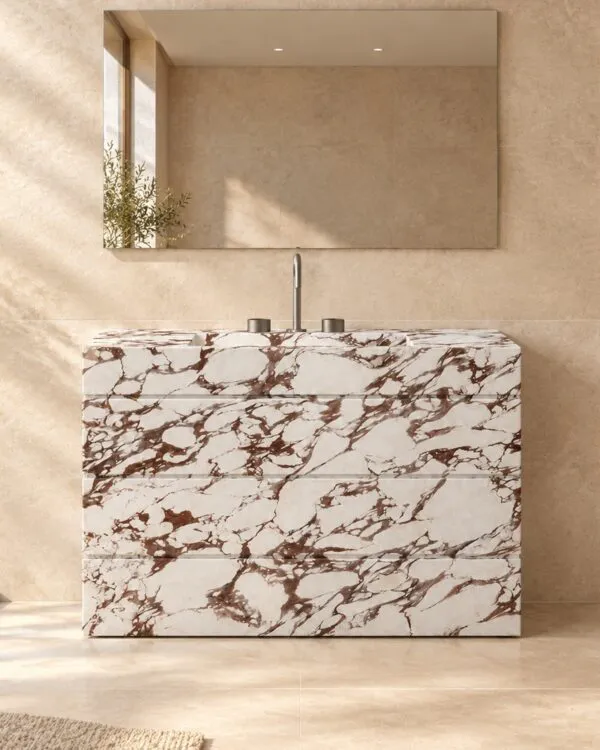
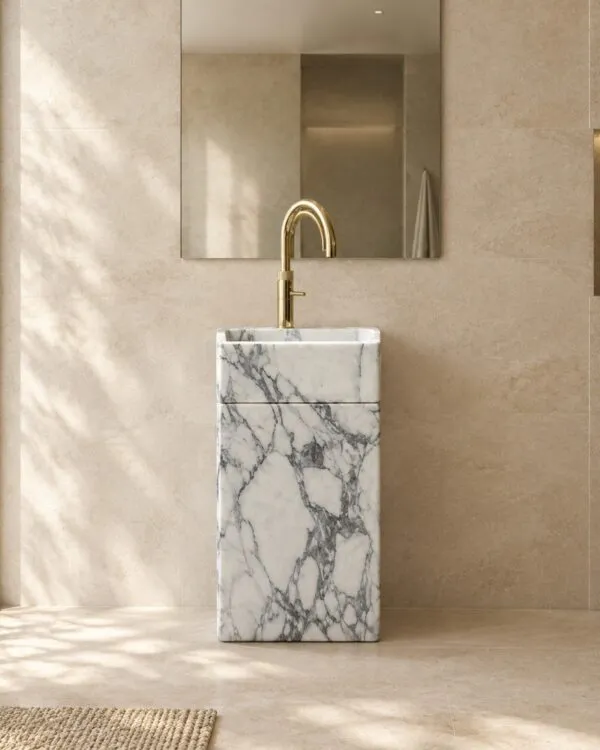
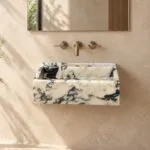
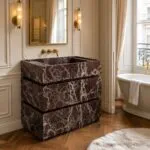
Arabescato is at its best on broad horizontal surfaces where the veining has room to travel: coffee tables, dining tables and console tops. In bathrooms it works equally well as a vessel sink or a stone cabinet front, where the grey reads clean and architectural rather than decorative.
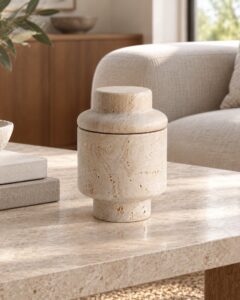
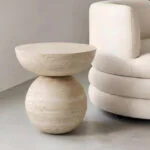
Because the material is dense and takes a high polish, it also suits pieces that are handled daily — trays, side tables, the tops of nightstands. A honed finish tones the veining down and gives a more matte, contemporary surface; a polished finish deepens the contrast and makes the grey appear to sit under glass.
Living with Arabescato
Every piece ships sealed. Day to day, wipe with a soft cloth and pH-neutral soap; avoid vinegar, lemon, bleach and limescale removers, which attack calcium-based stone. Wipe wine, coffee, oil and citrus promptly rather than letting them sit.
Re-apply a penetrating stone sealer about once a year — or whenever water stops beading on the surface. Use coasters under hot cups and felt pads under objects that get dragged; marble is hard but it is not scratch-proof. Treated this way, an Arabescato top keeps its polish for decades.
Made in Arabescato
Available now in Arabescato
See all Marble pieces →-
ArabescatoNatural Marble Bathroom Vanity with Drawer | Single Sink Vanity Cabinet | 125 × 49.8 × 83.5 cm$3,660– $6,220
Arabescato — questions we get asked
- Is Arabescato marble white or grey?
- Both. The ground is a cool off-white with a faint grey cast, and the veining runs from pale smoke grey to dense graphite. In warm lighting the whole surface reads closer to white; in daylight the grey becomes more visible.
- Does Arabescato stain easily?
- Sealed Arabescato resists everyday spills. Wipe wine, coffee, oil and citrus when you see them rather than leaving them overnight, and re-seal about once a year to keep that protection current.
- Arabescato or Carrara — what is the difference?
- Both come from the Carrara basin. Arabescato has a cooler white ground and bolder, cloud-shaped grey veining; Carrara is softer grey with finer, more even veining and a slightly warmer tone.
- Can Arabescato be used in a bathroom?
- Yes. It is dense, polishes well and is routinely used for vessel sinks, vanity tops and stone cabinet fronts. Use pH-neutral cleaners only — acidic bathroom products are the one real risk.
Need a size or a shape that isn’t listed?
We cut from our own stock, so a custom size, edge profile or finish in Arabescato is a normal order rather than an exception. Send us the dimensions and we will quote within 48 hours.

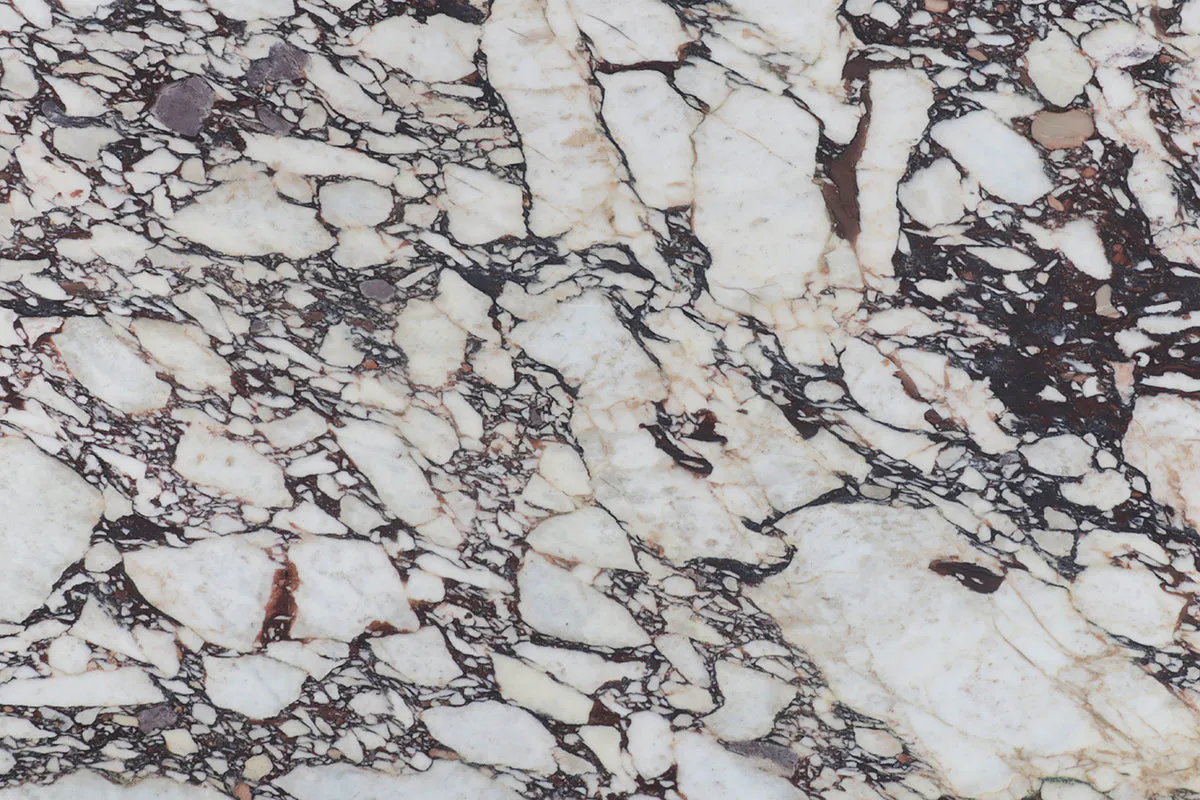 Calacatta Viola