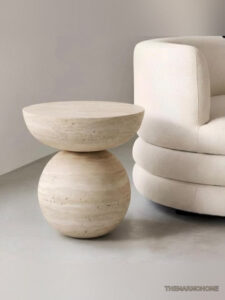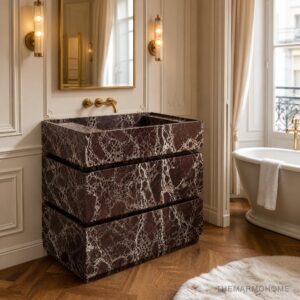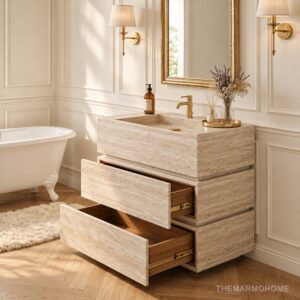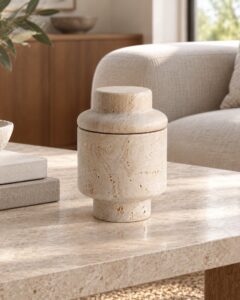
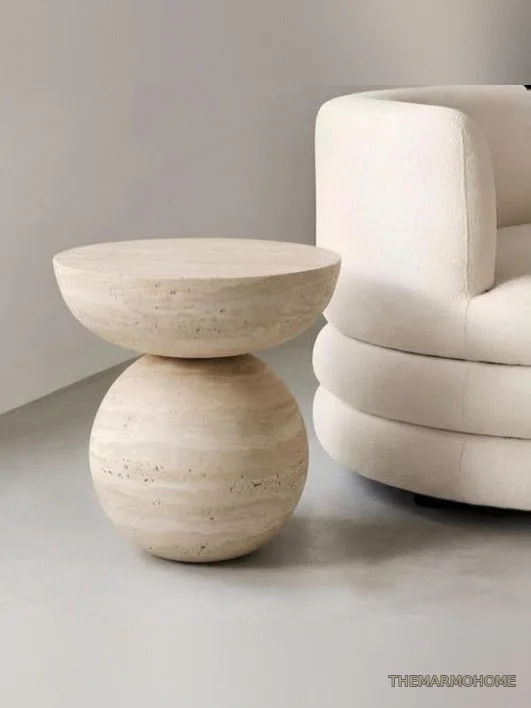
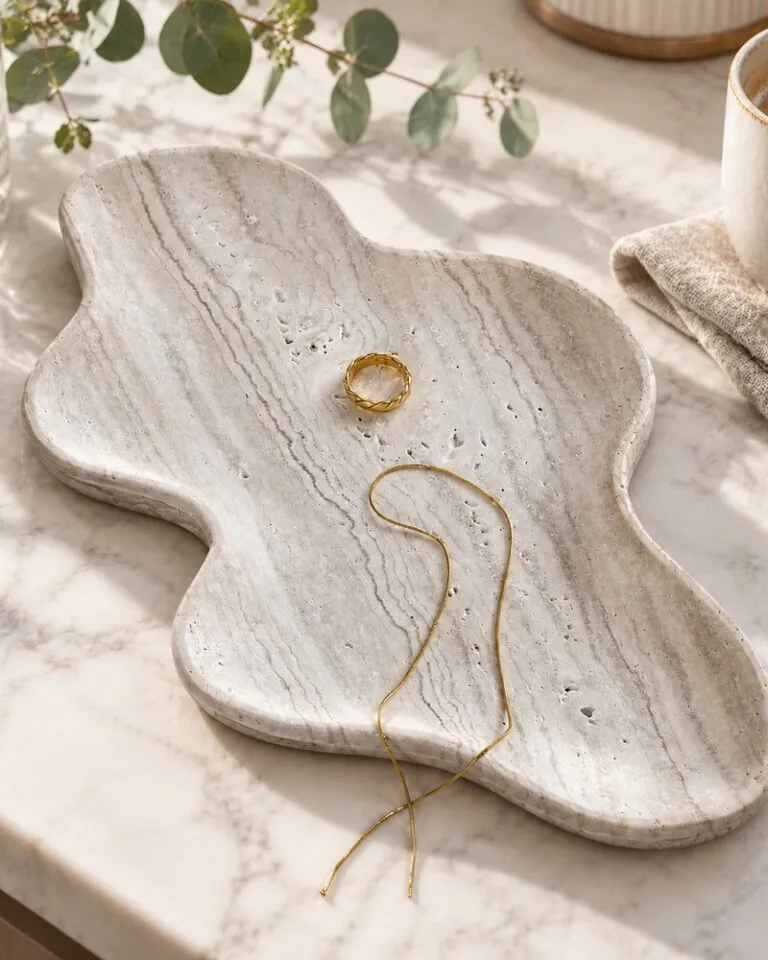
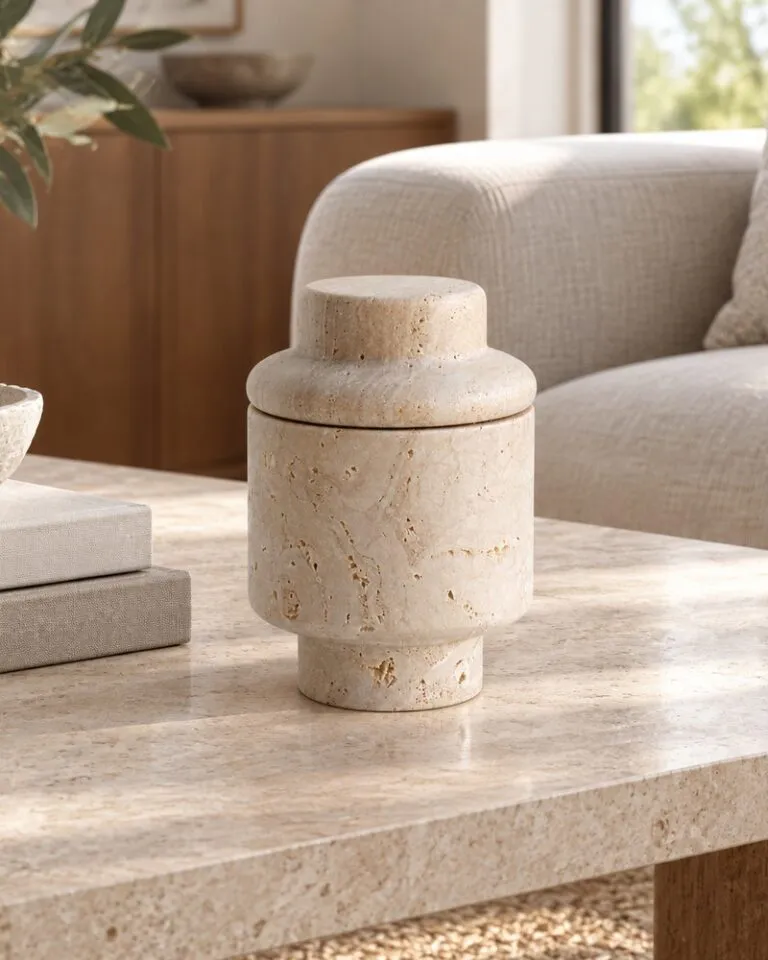
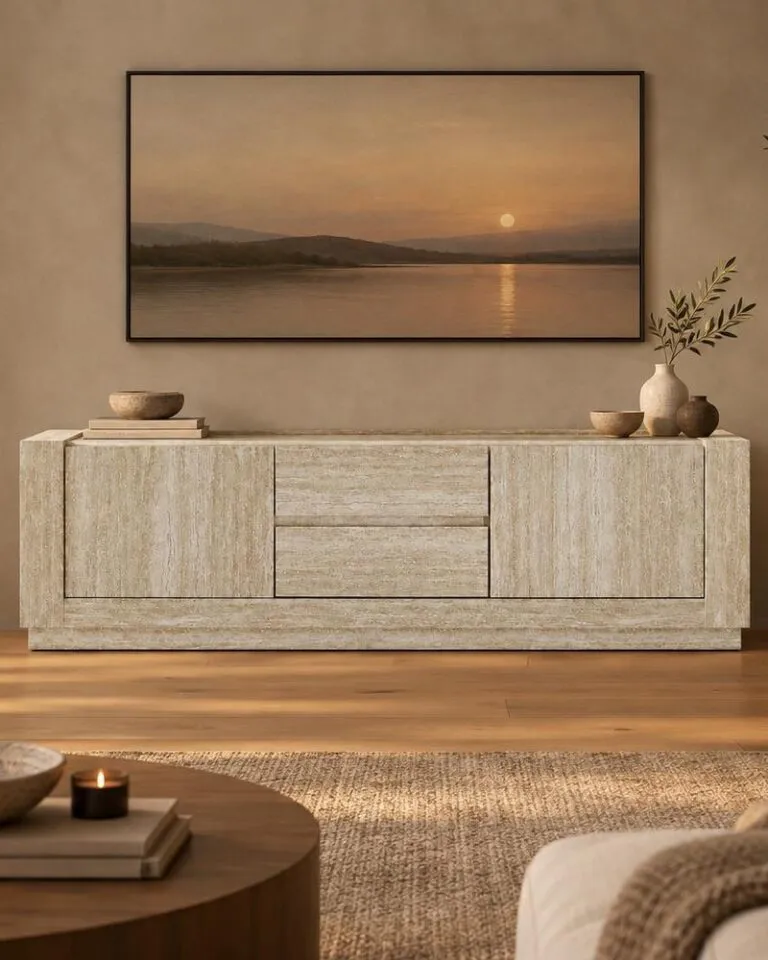
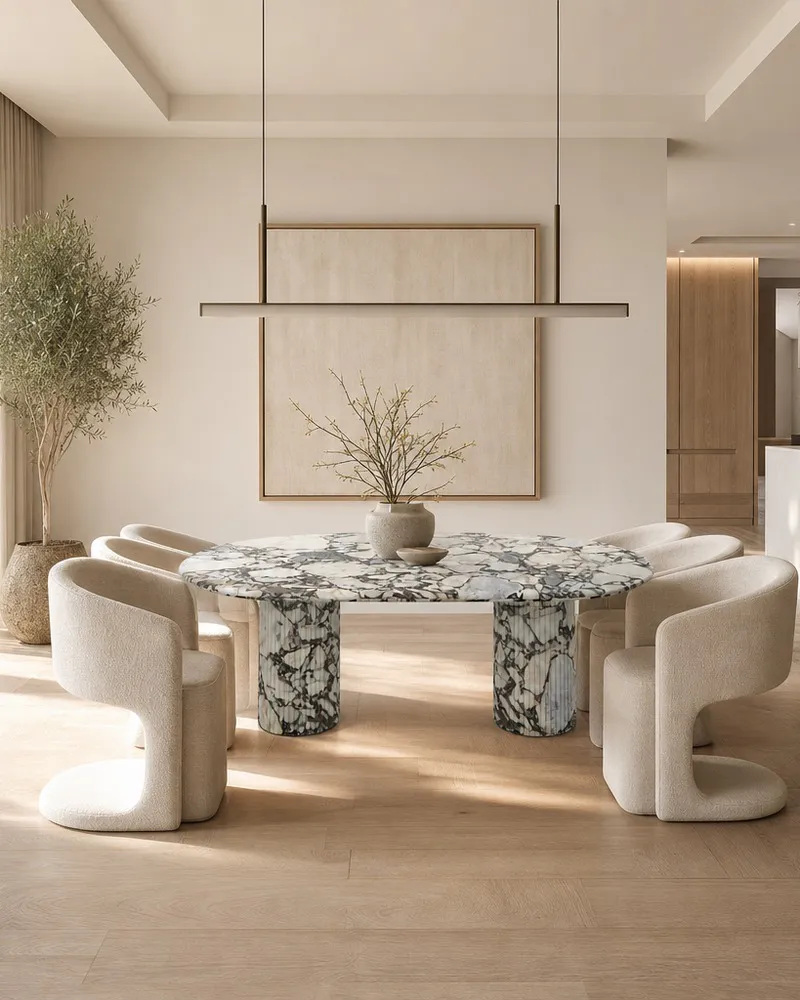
Marble Side Tables
Small blocks with the same stone and the same finish as our dining tables — made to sit beside them.
-
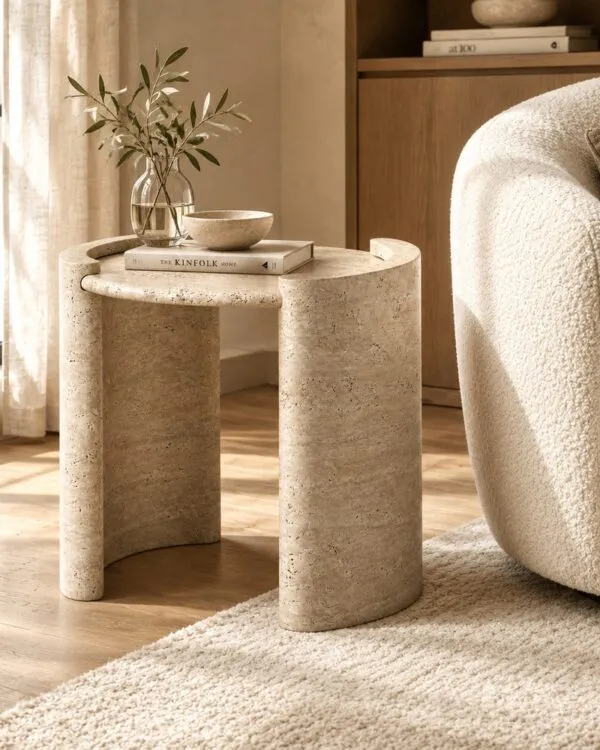
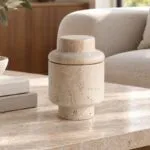
Beige TravertineLuxury Beige Travertine Cylinder Side Table with Storage Drawer & Lower Display Shelf$1,590
-
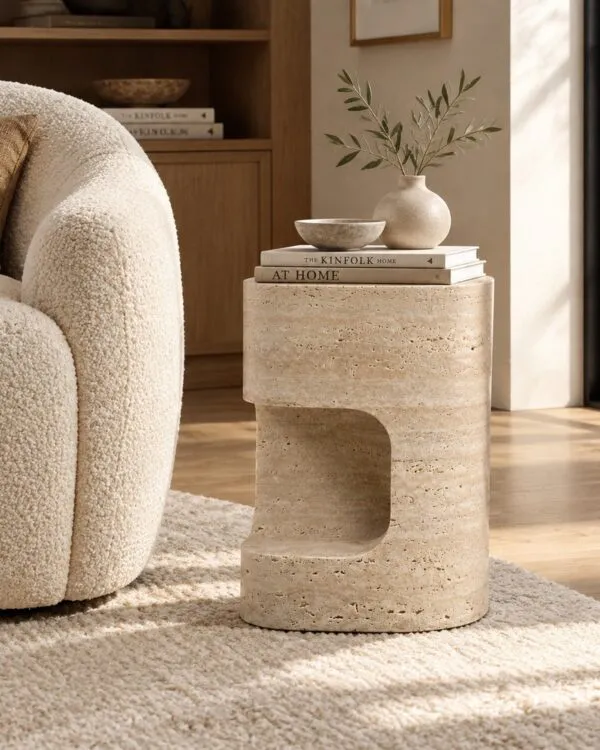
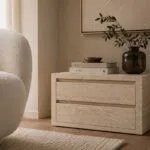
Beige TravertineLuxury Beige Travertine Square Side Table with Integrated Drawer & Open Shelf 22×24in$1,650
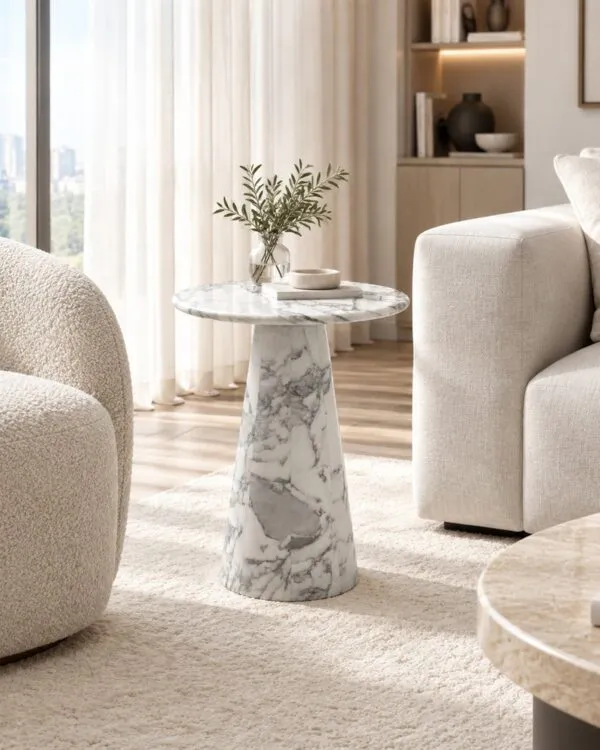
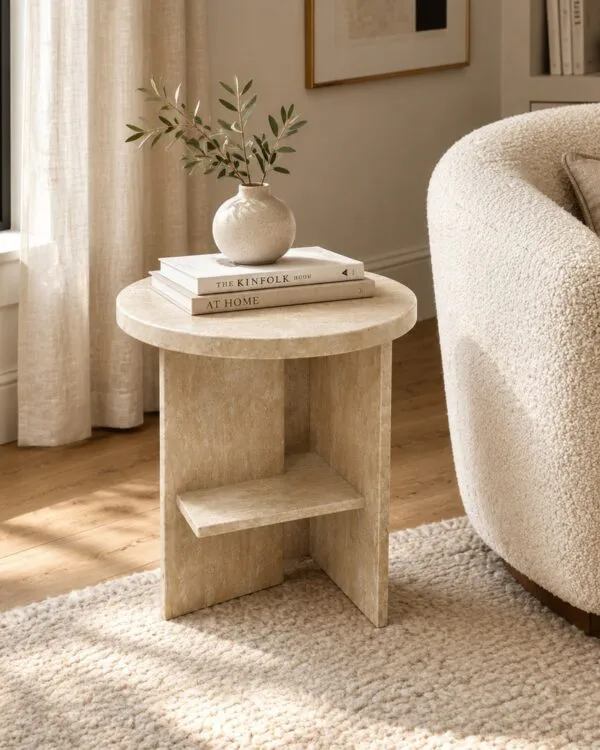
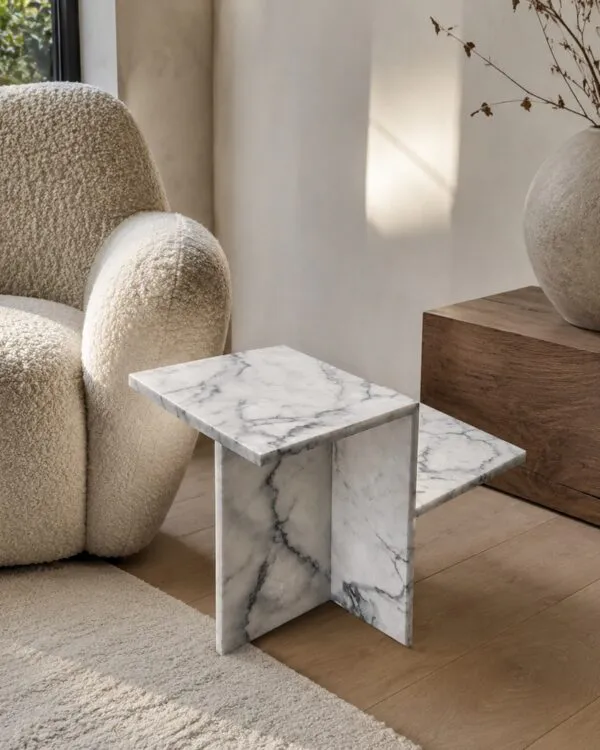
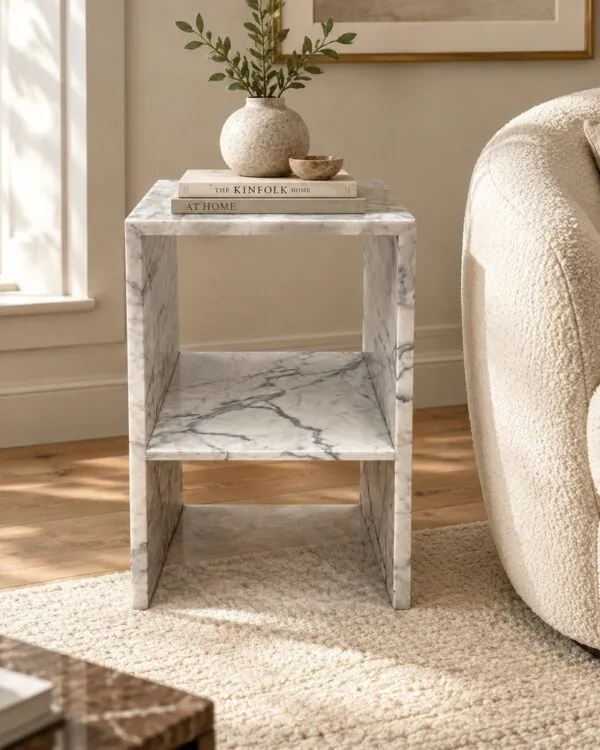
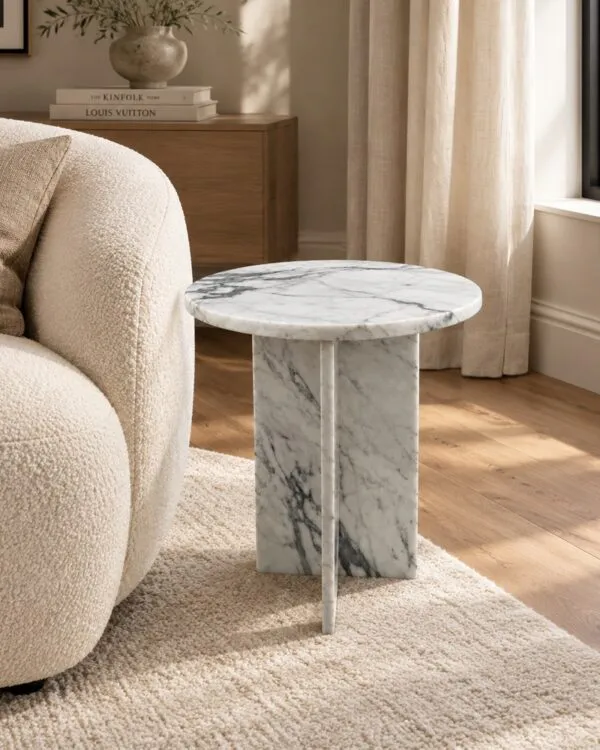
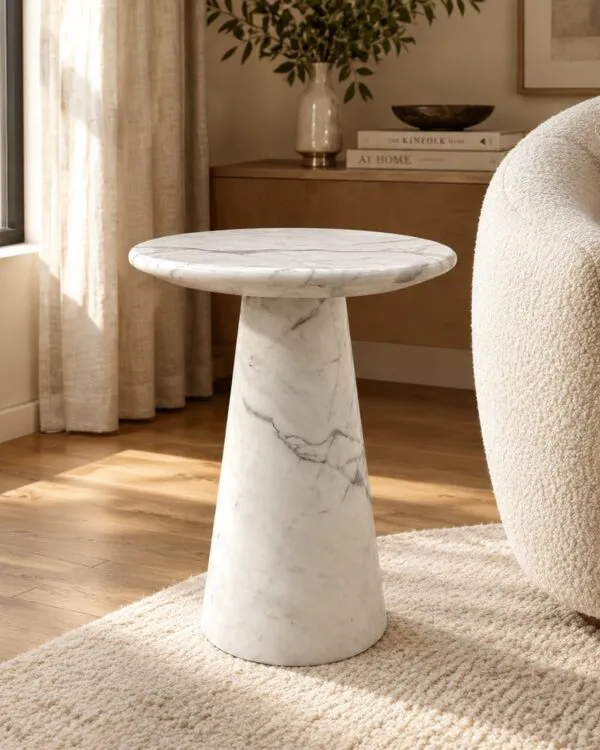
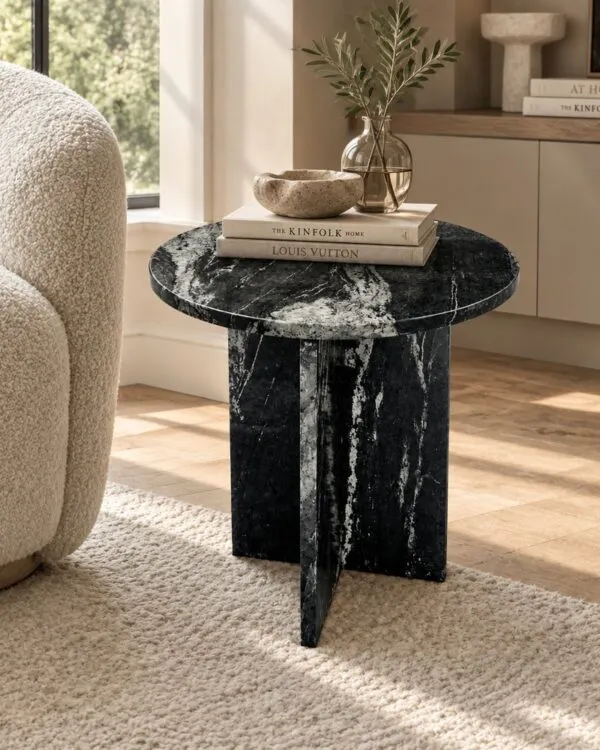
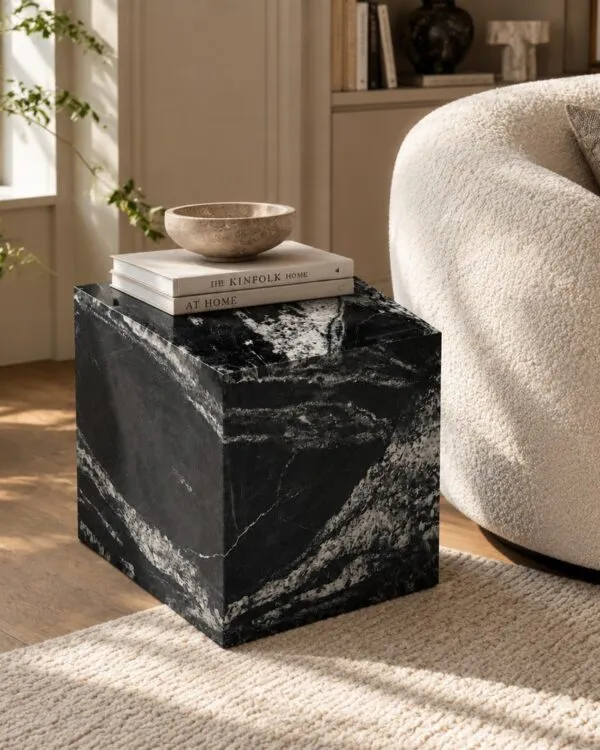
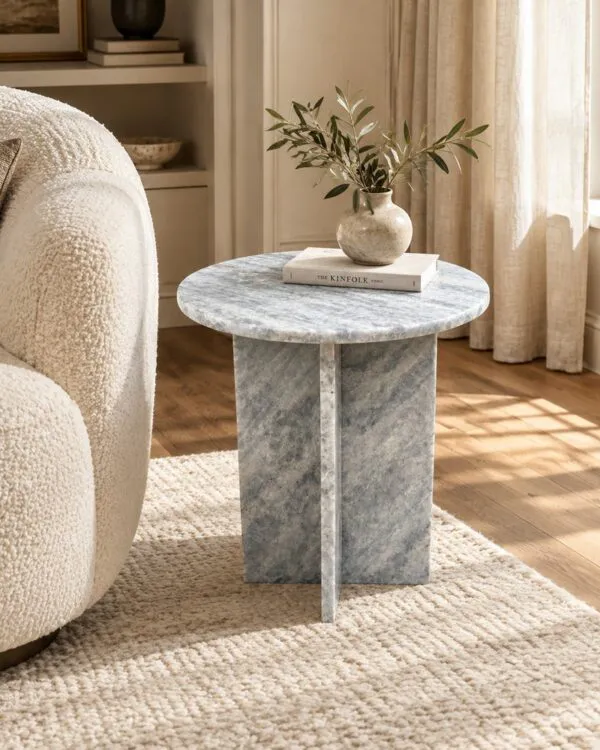
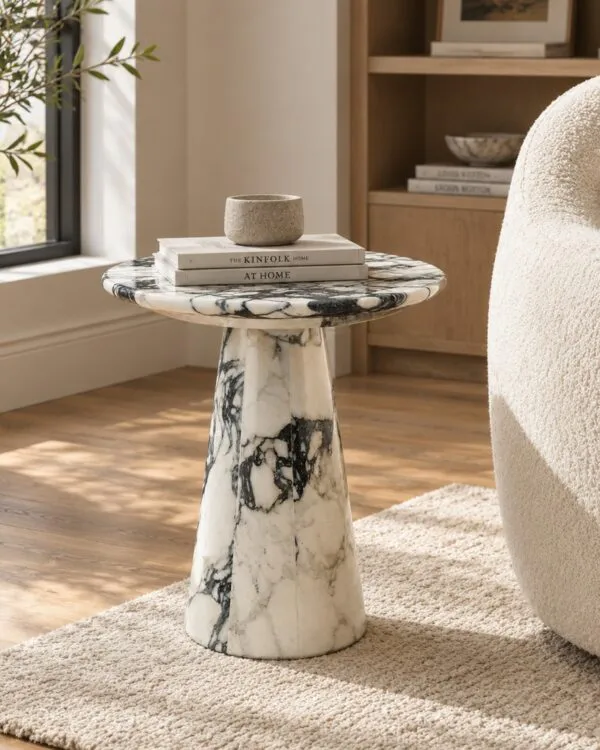
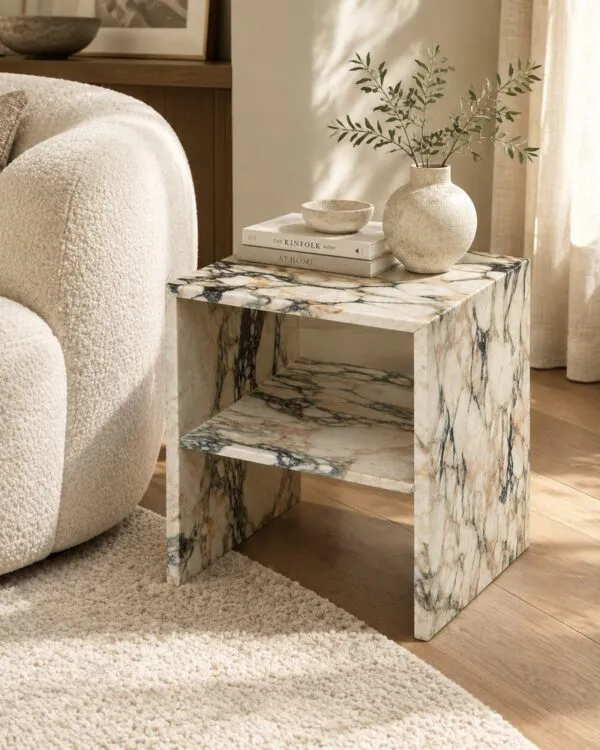
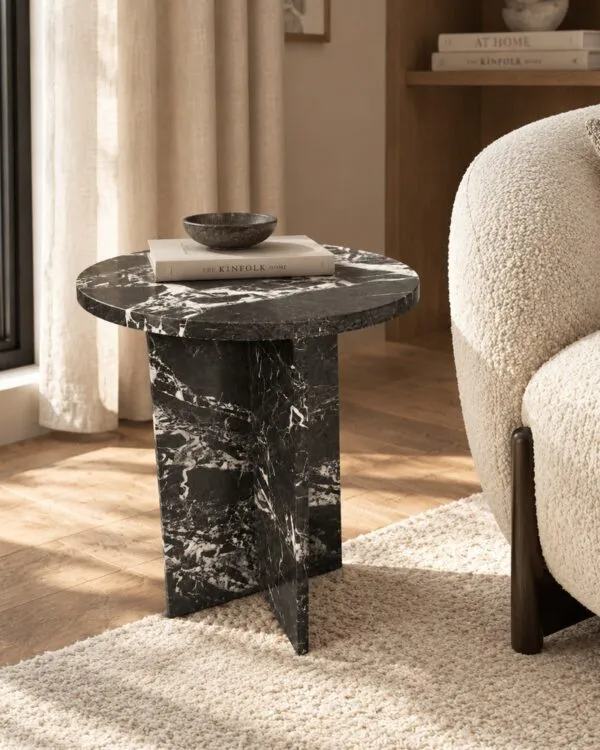
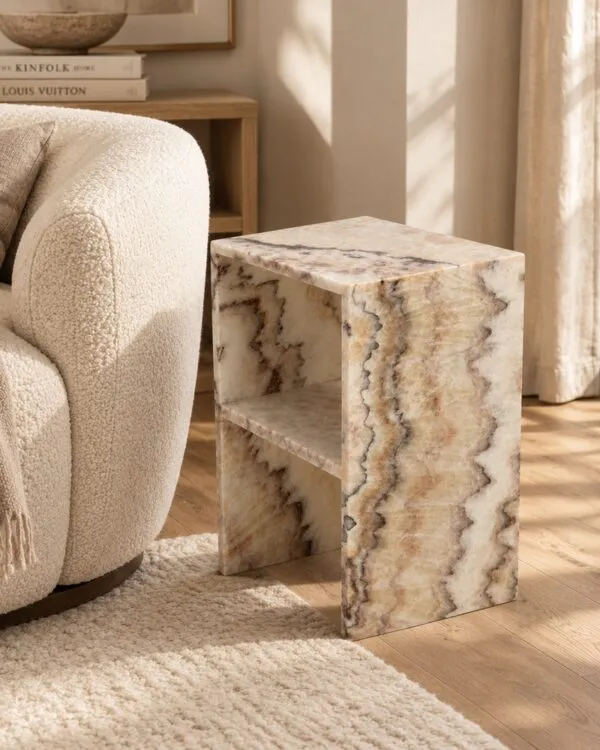
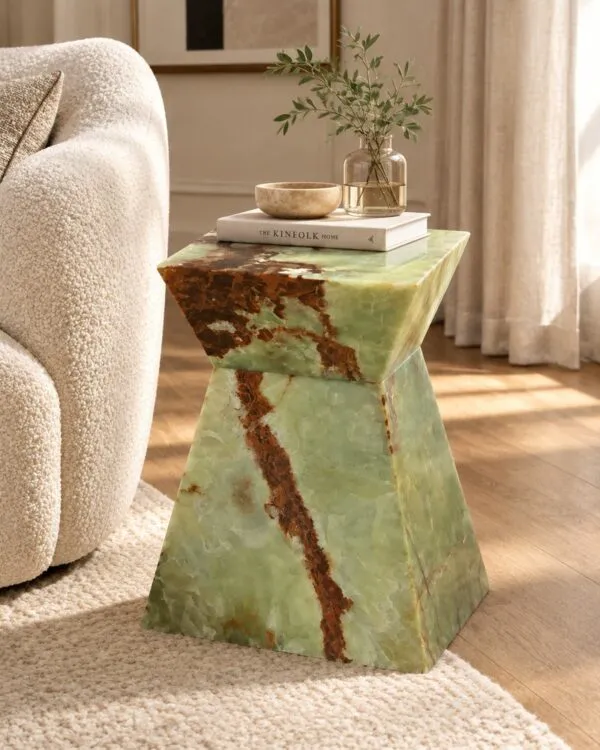
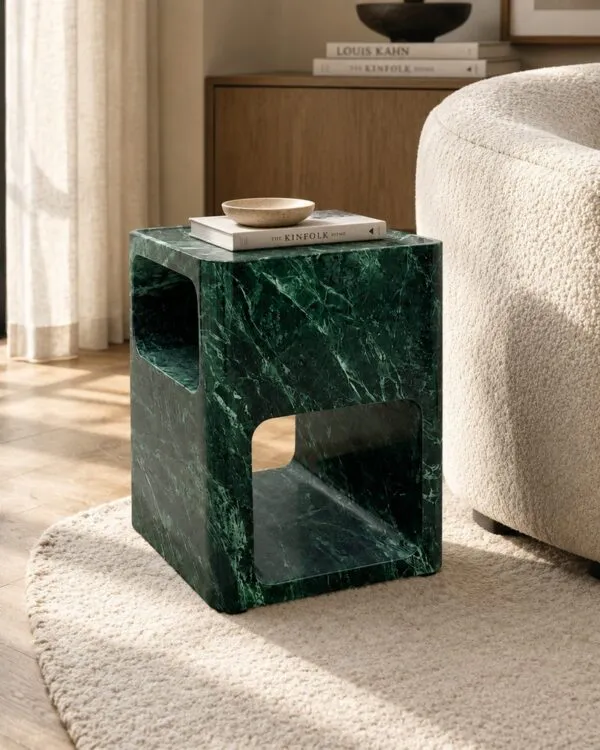
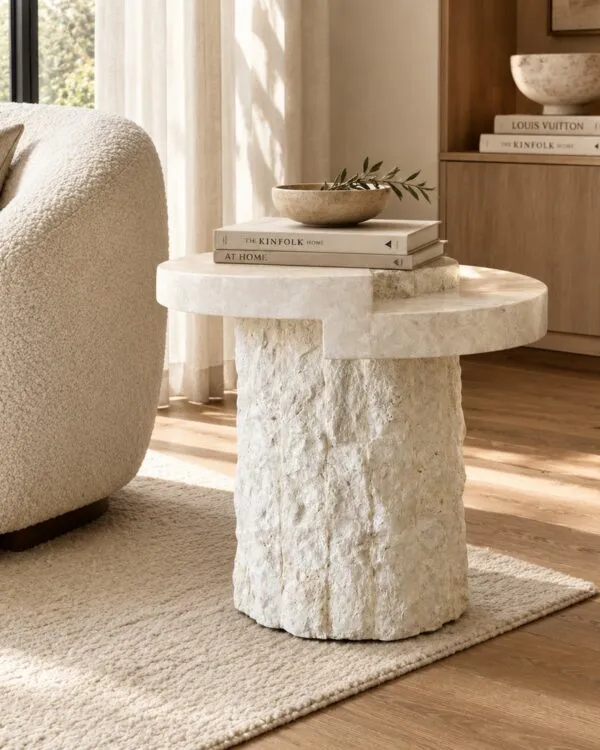
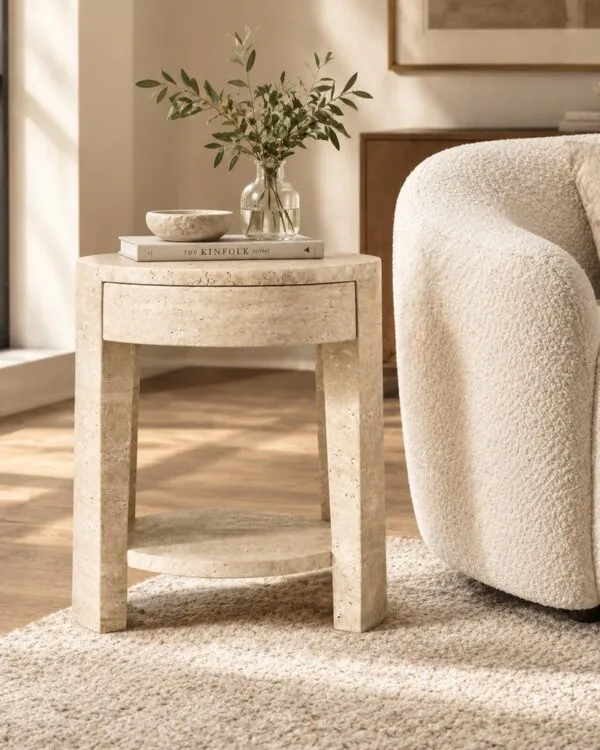
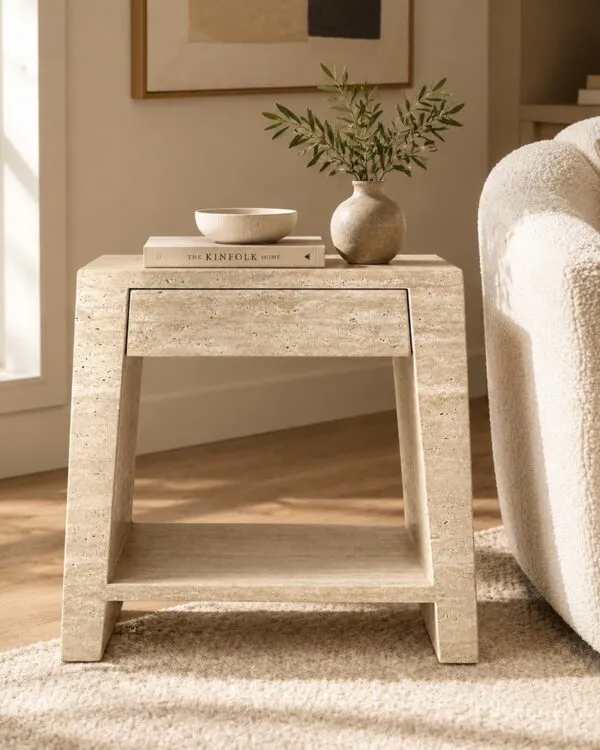
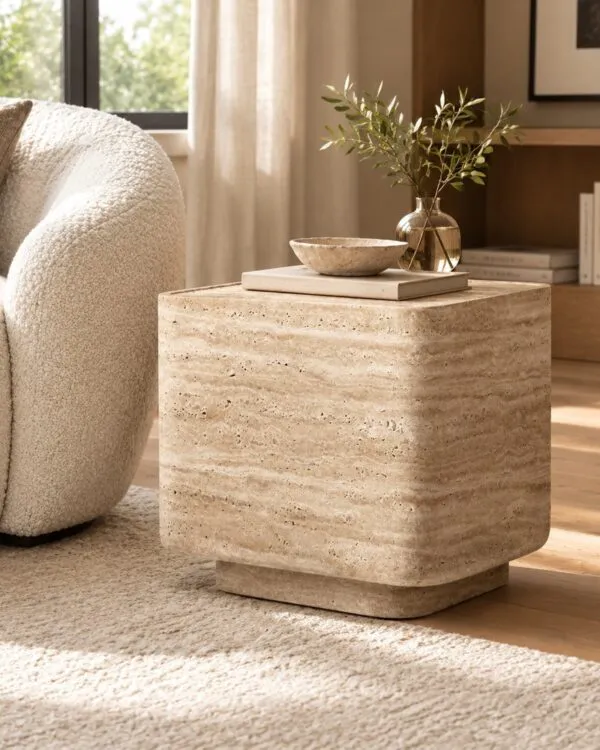
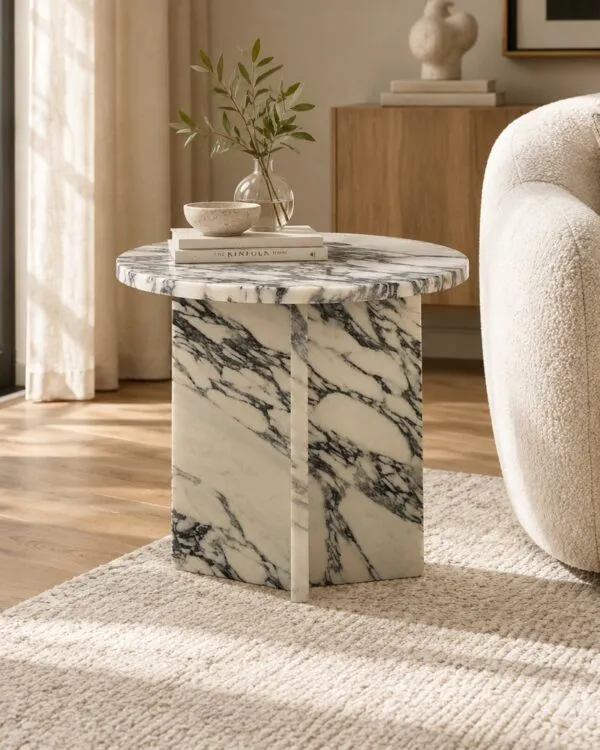
Stones used in this collection
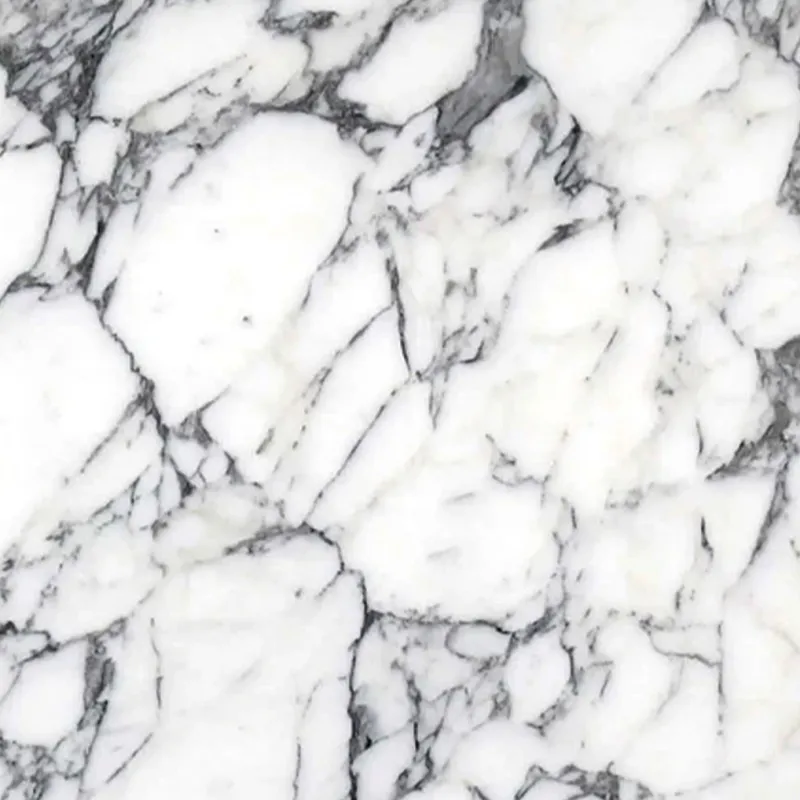
- Arabescato
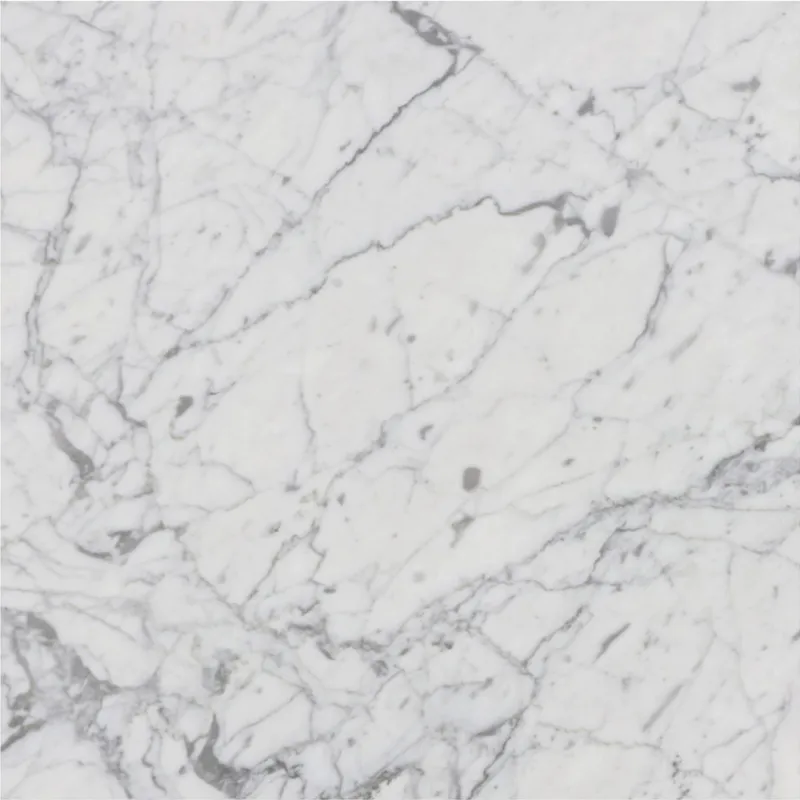
- Carrara
- Bianco Statuario Venato
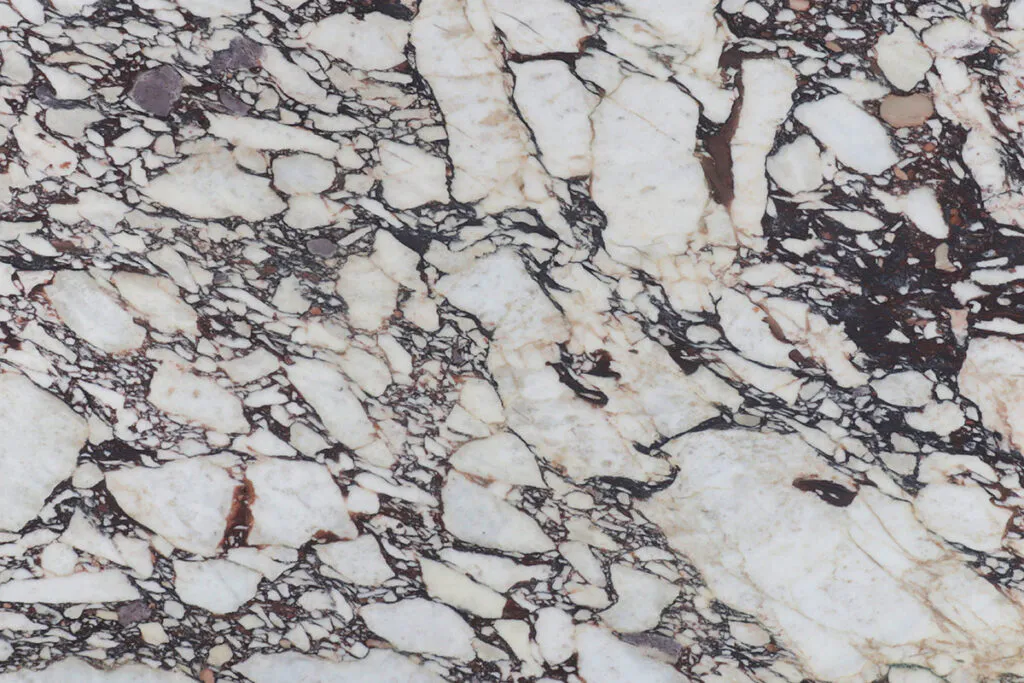
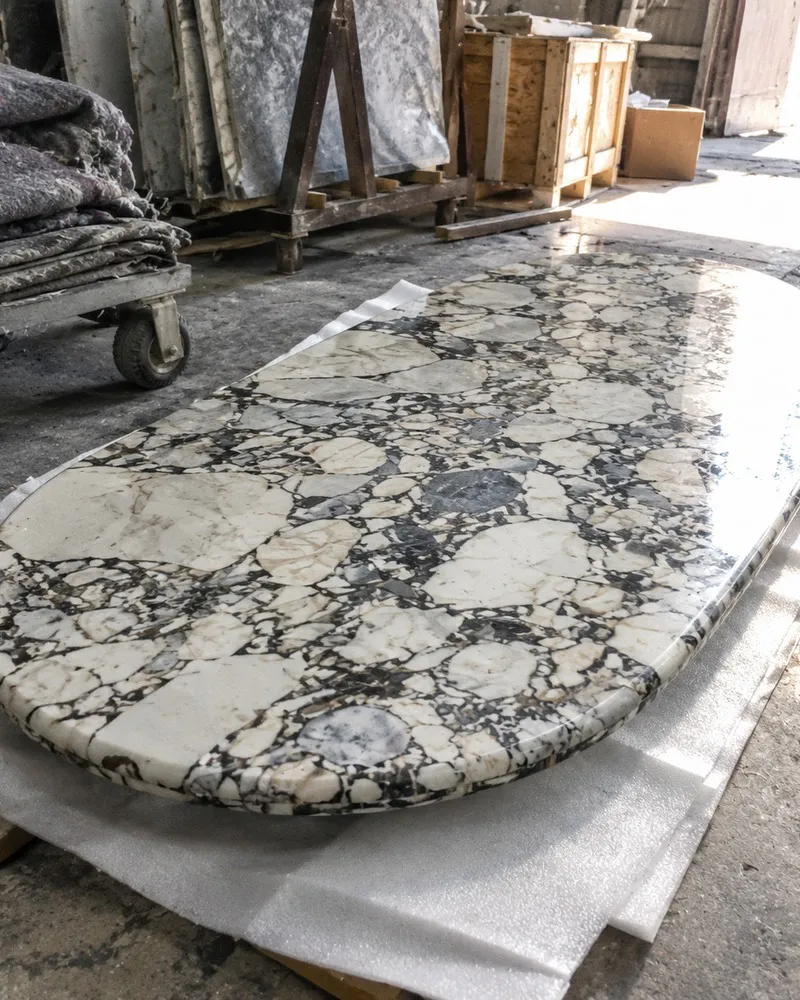
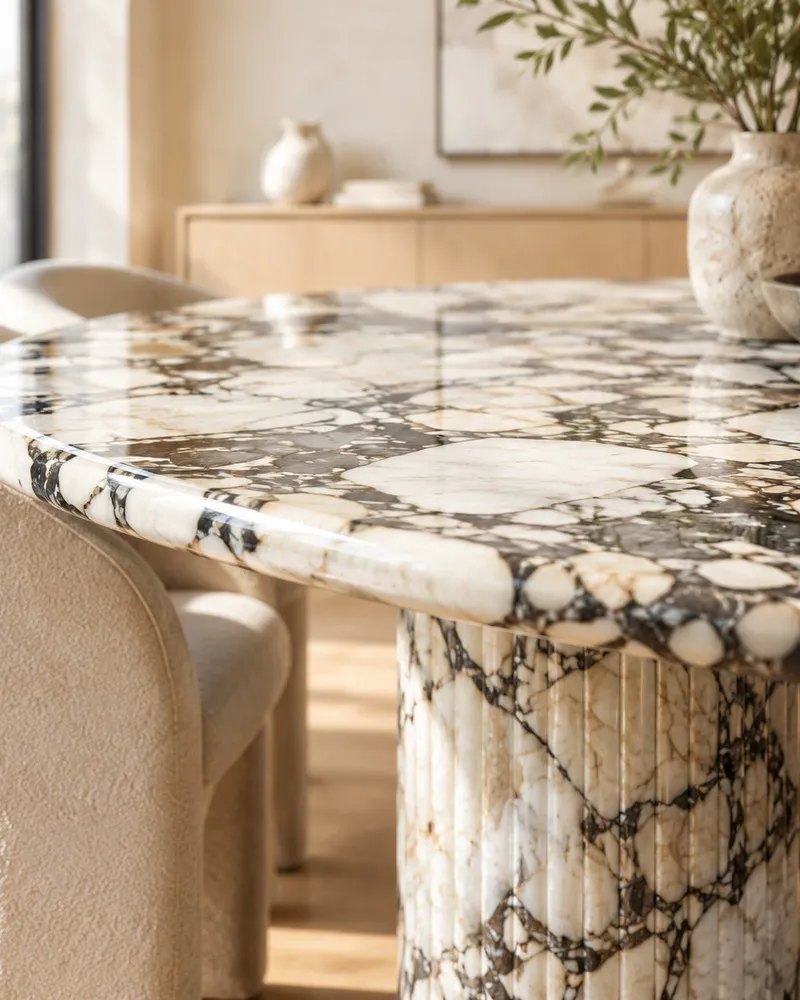
- Calacatta Viola
- Verde Alpi
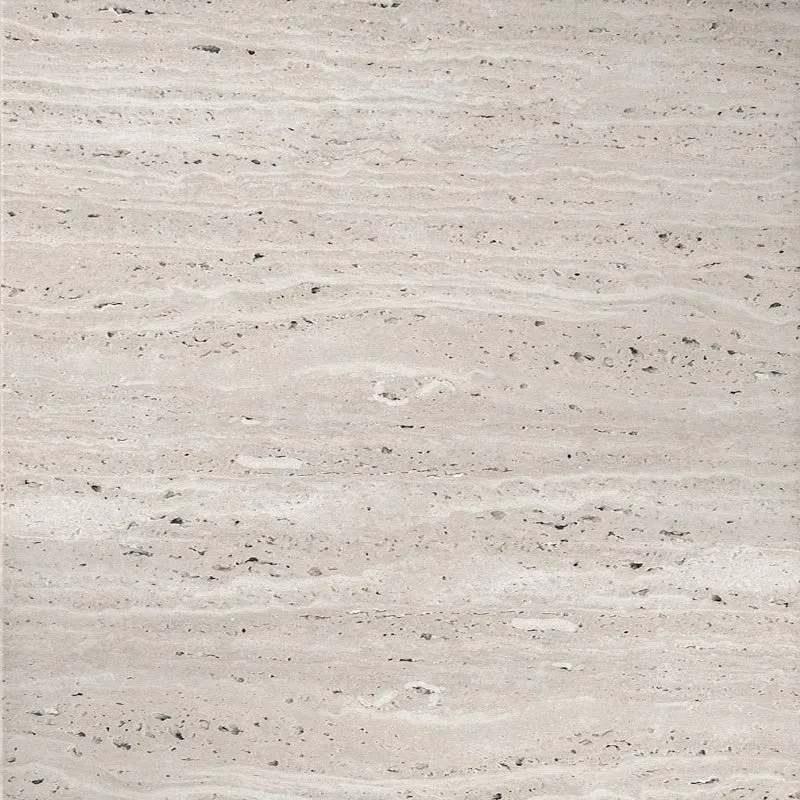
- Beige Travertine
- White Travertine
- Red Travertine
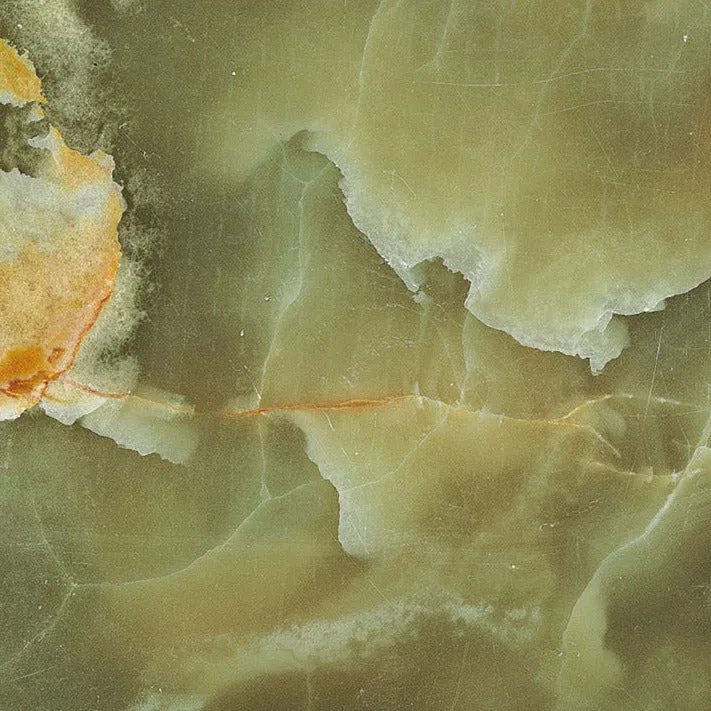
- Green Onyx
- Calacatta Monet
Buying Guide
Marble & Travertine Side Tables: A Buyer’s Guide
Side tables are the pieces you use most and think about least — until one is the wrong height and every cup ends up balanced on the sofa arm. In stone they also do something a timber table cannot: they bring a solid, cool, tactile mass next to soft upholstery, and they hold their shape for decades.
Height Is the Whole Game
The top of a side table should land within a few centimetres of the arm of the chair or sofa it serves — usually somewhere between 55 and 62 cm. Too low and you are reaching down for a glass; too high and it feels like a lectern. If the table will sit between two seats, measure the arm height on both before choosing.
- Beside a sofa: aim level with, or just below, the arm. Allow 5–10 cm of gap so the table does not crowd the upholstery.
- Beside a bed: level with the mattress top, so a book and a lamp sit within easy reach.
- Between two chairs: a round top is more forgiving than a square one — no corner to walk into, and it works from either seat.
Shape, and How Many You Need
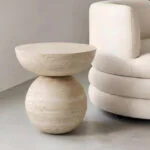
Round tops are the most versatile: they suit tight spaces, work between chairs, and read softer against a square room. Square and rectangular tops are more architectural and pair naturally with a rectangular sofa or a strict grid layout. Organic and drum forms are the sculptural choice — genuinely lovely, and best used as one deliberate object rather than a matching pair.
On quantity: a pair of side tables flanking a sofa is the most reliable arrangement, and matching pairs are easy in stone because the pieces are small enough to cut from the same block. A single statement side table works when it sits next to a chair rather than a sofa, where symmetry would look forced.
Choosing the Stone
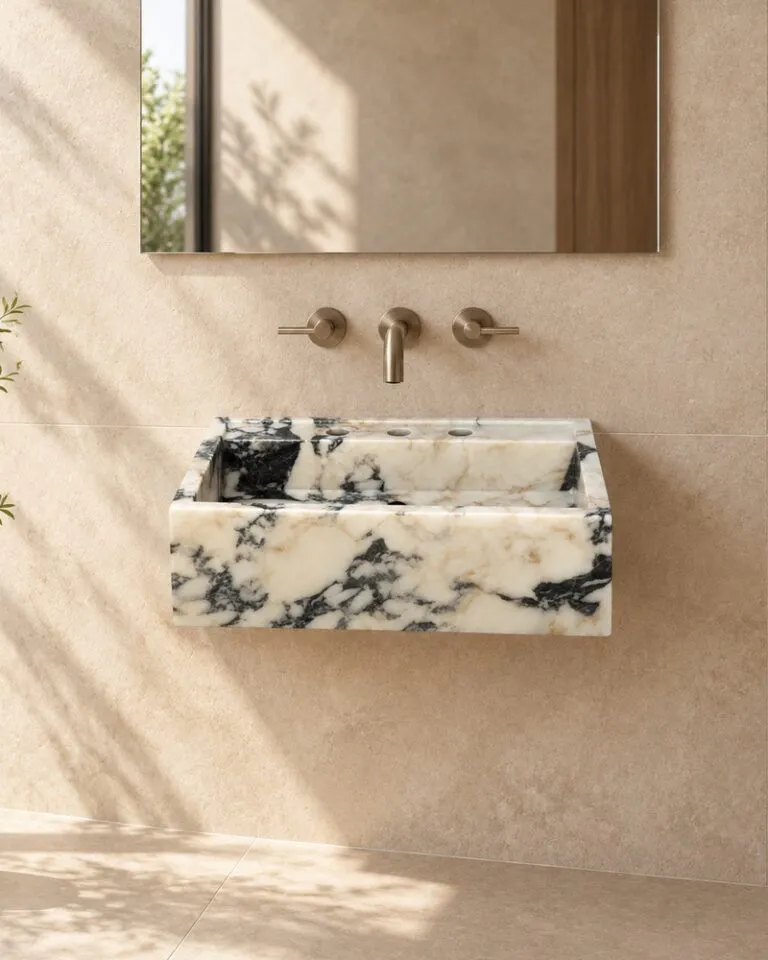
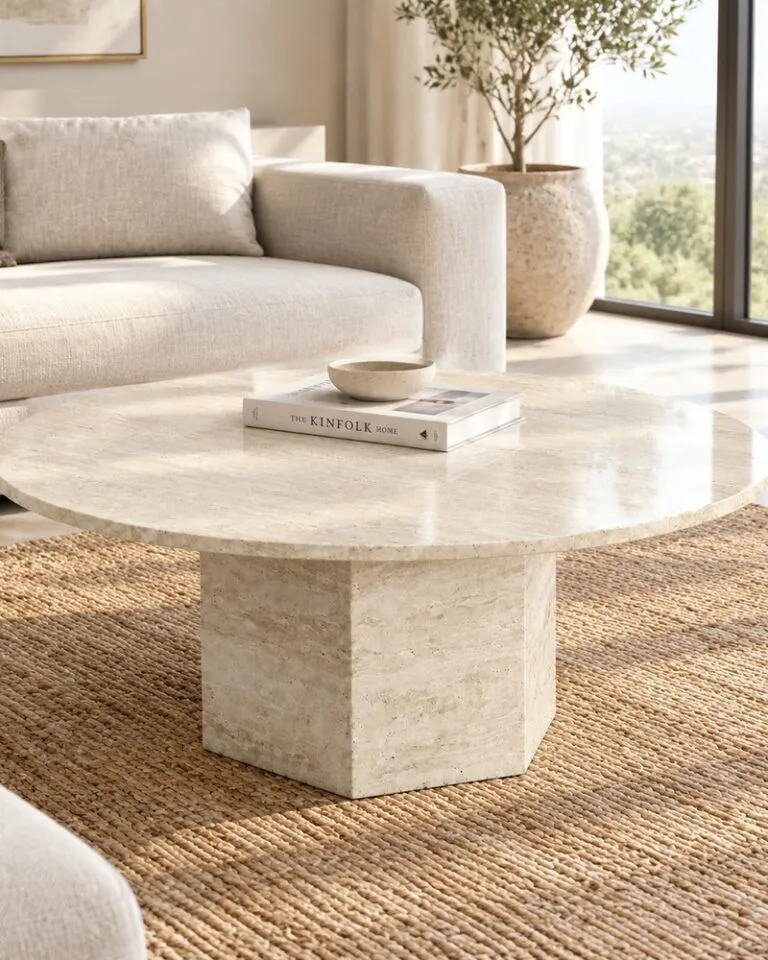
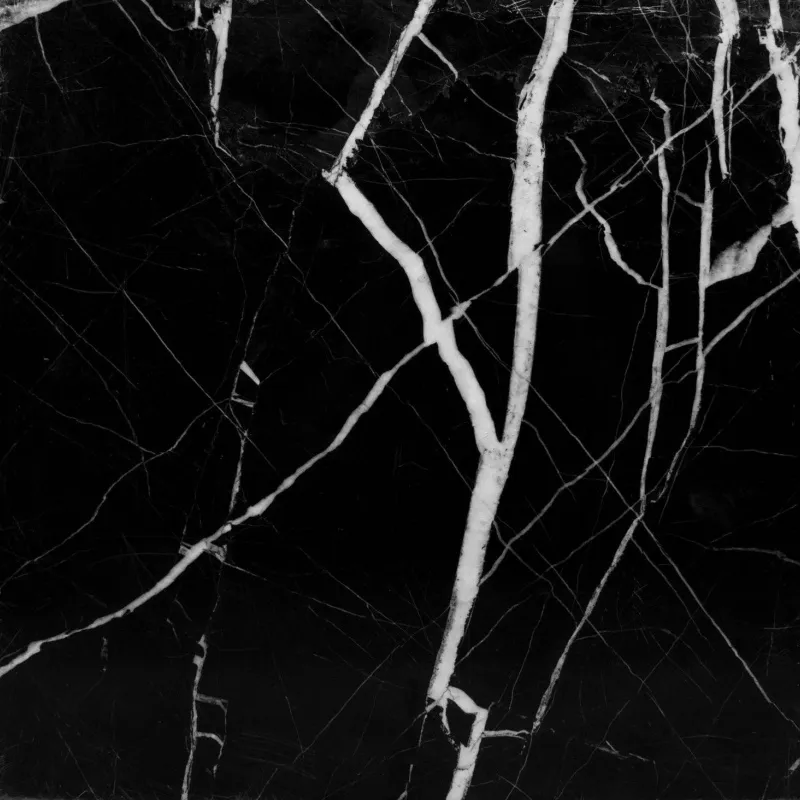
Small surfaces show a tight crop of the material, which changes how a stone reads. Strongly veined marbles — Calacatta Viola, Arabescato, Verde Alpi — become almost abstract on a 40 cm top, and a single piece can carry a whole corner of a room. Quieter stones — Carrara, beige travertine, Taj Mahal quartzite — read as calm texture and are easier to pair with other furniture. Dark marbles look their best in a side table, where the mass is contained and the darkness becomes a deliberate accent rather than a weight.
Also consider the edge. A straight, square edge is the most contemporary and the most practical for a piece that gets bumped; a rounded or bullnose edge is softer and kinder in a house with children.
Practicalities
Stone side tables are heavy for their size, which is exactly what stops them being knocked over — but it also means you should put felt pads under the base if the floor is timber, tile or stone. A padded base protects both surfaces and makes the table easier to slide when cleaning.
All pieces ship sealed. Wipe spills promptly, keep acidic cleaners away, and re-seal once a year. A honed finish hides water rings and fingerprints better than a polish, which is worth knowing if the table will hold a glass most evenings.
Nesting and Stacking Sets
Two or three tables that slide under one another solve the perennial problem of a living room that needs a big surface for guests and a small one for the rest of the year. In stone, nesting sets are cut so the tops sit at different heights, which means each piece can also be used on its own beside a chair.
The practical point is the slide: stone on stone will scratch, so nesting tables need felt or a slight lip that keeps the surfaces apart. Check the clearance when stacked — a set that has to be lifted rather than slid defeats the purpose. Sets of three work best in a corner, fanned out rather than fully extended, so the different heights stay visible.
- What height should a side table be?
- Level with, or just below, the arm of the sofa or chair it serves — typically 55 to 62 cm. Beside a bed, aim level with the mattress top.
- Should side tables match the coffee table?
- They do not have to. Matching the stone reads as a deliberate set; contrasting a dark side table with a pale coffee table often looks more considered. Matching the metal and the edge profile does more for coherence than matching the stone.
- Are stone side tables too heavy to move?
- They are heavy for their size, which is why they stay put. With felt pads underneath, one person can usually slide them for cleaning.
- Can a side table be used outdoors?
- We supply them for interior use. For a covered terrace or garden, freeze-thaw and UV exposure need separate assessment — talk to us before specifying.

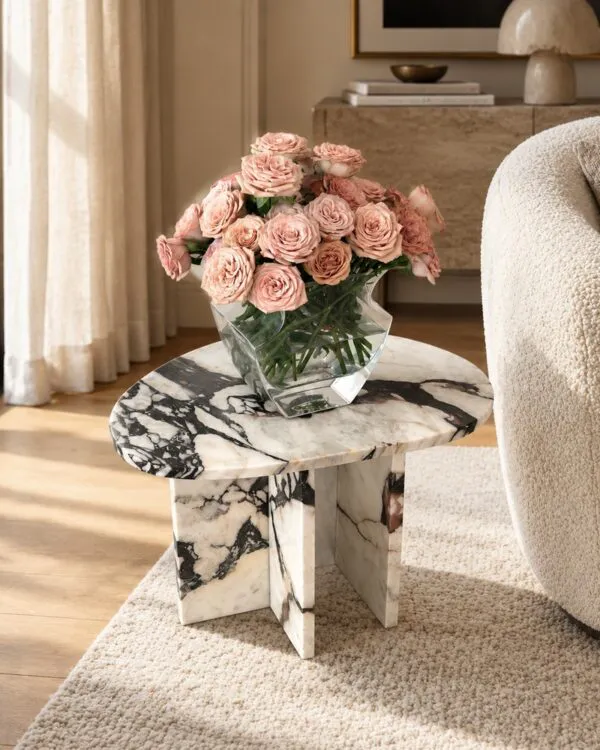
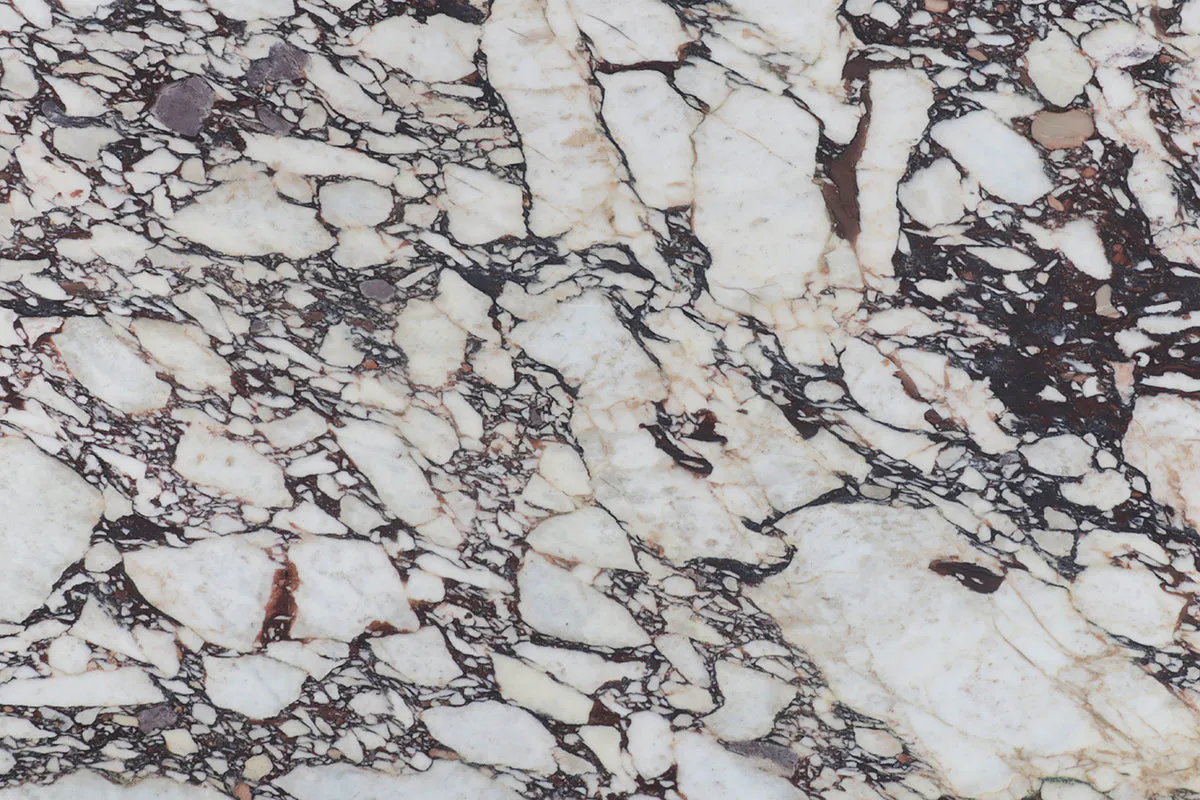 Calacatta Viola