
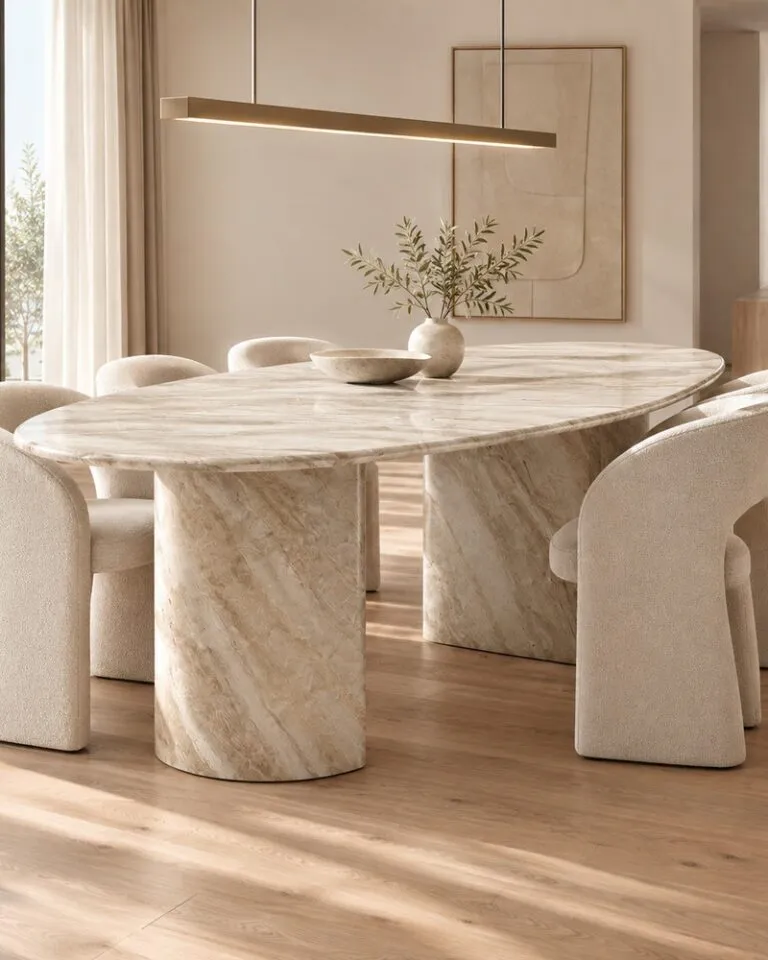
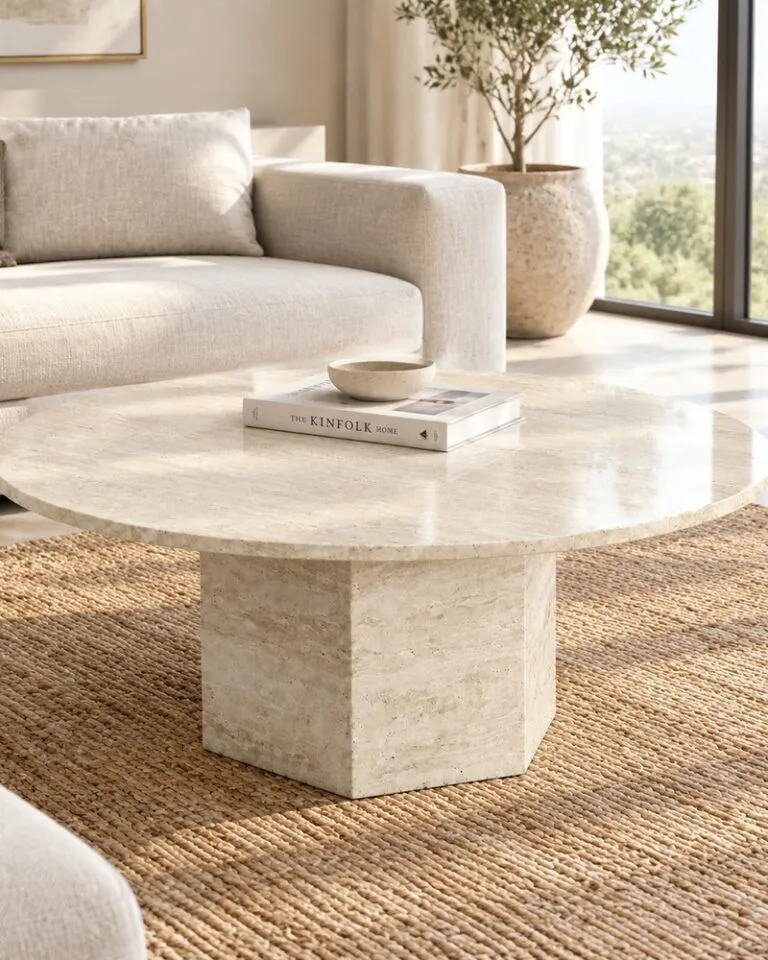
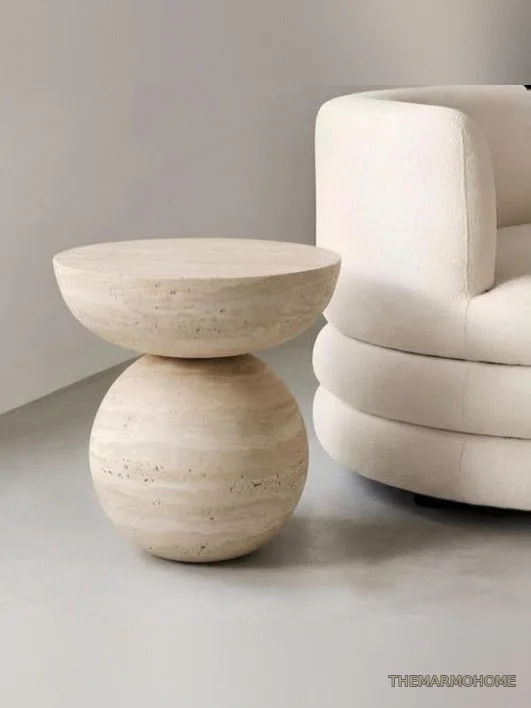
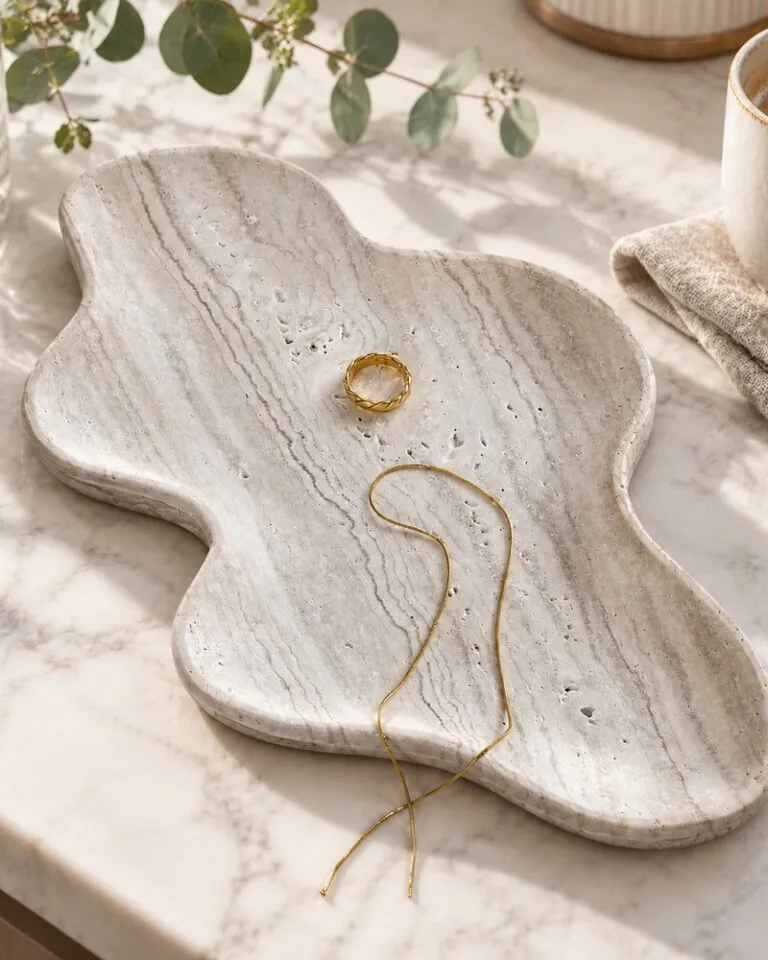

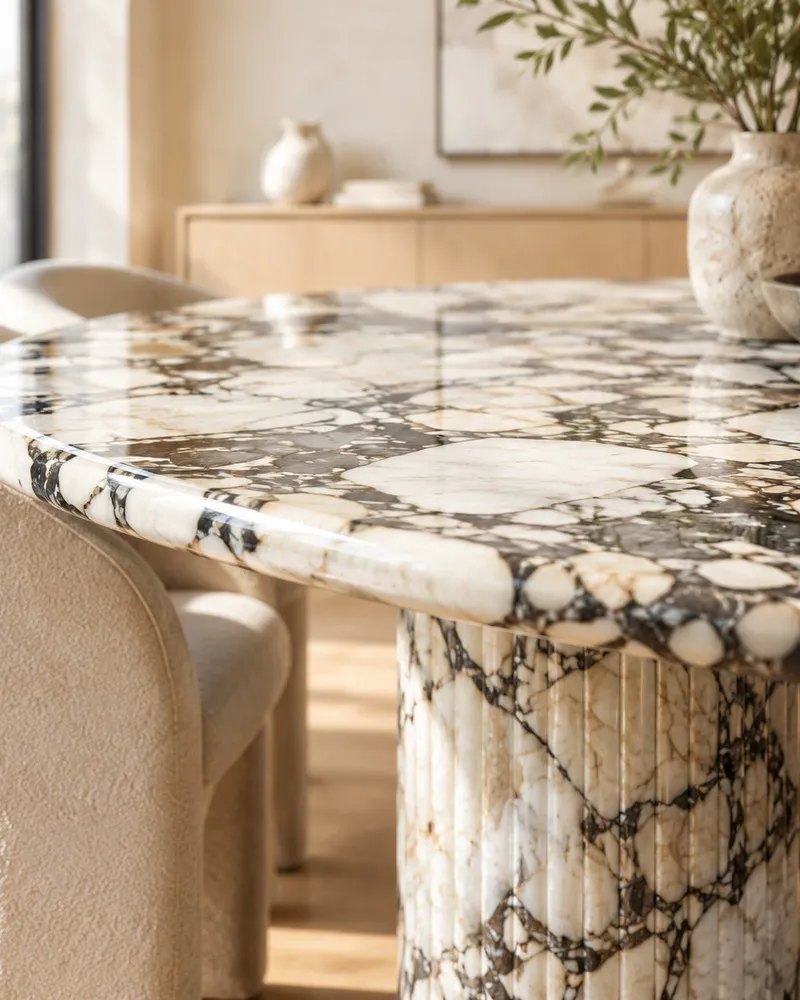
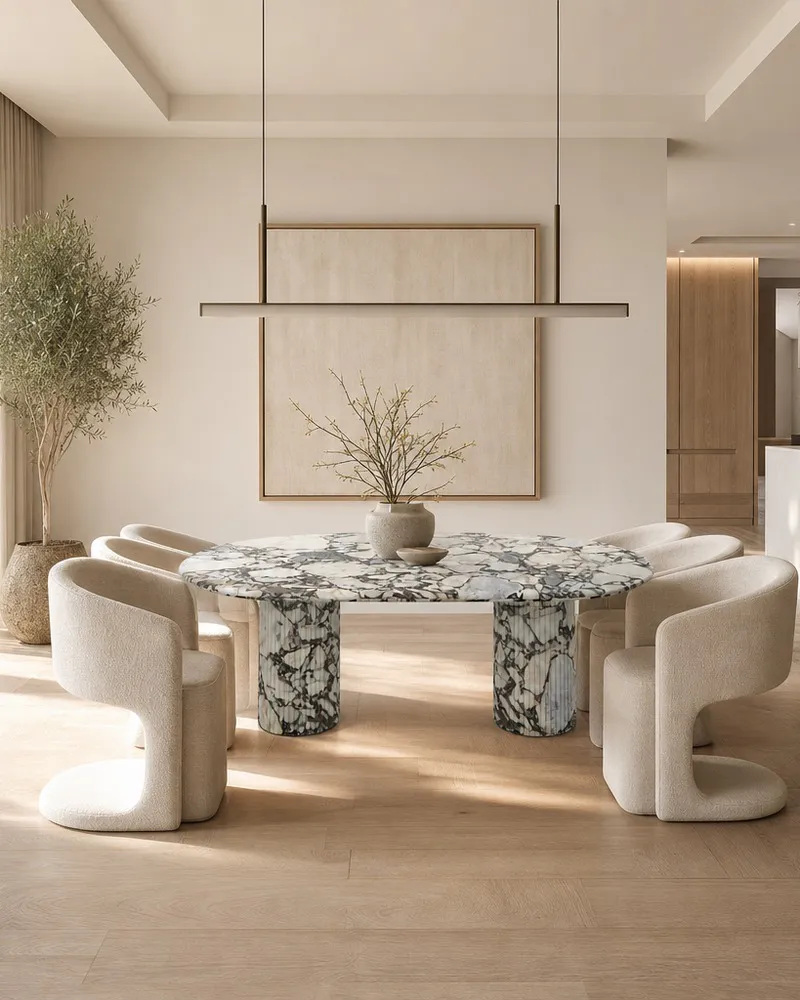
Marble Trays & Decor Objects
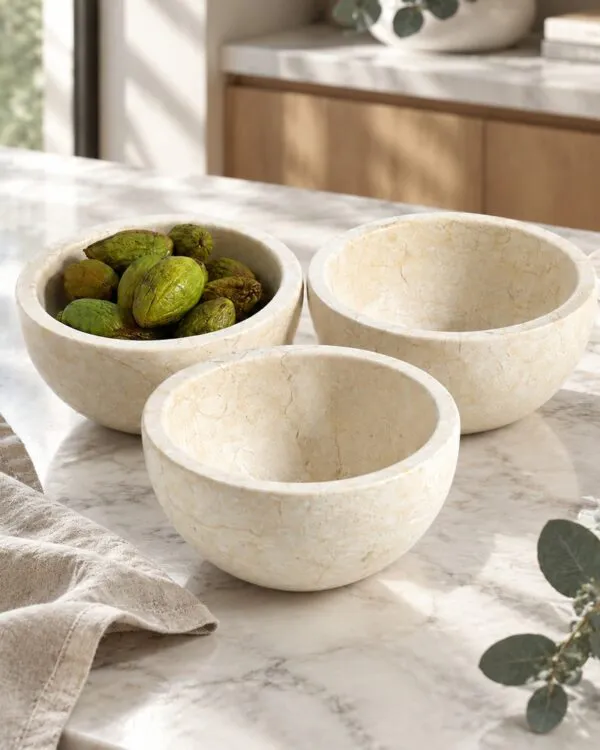
Serving trays, bowls and small objects cut from the same blocks as our tables and basins.
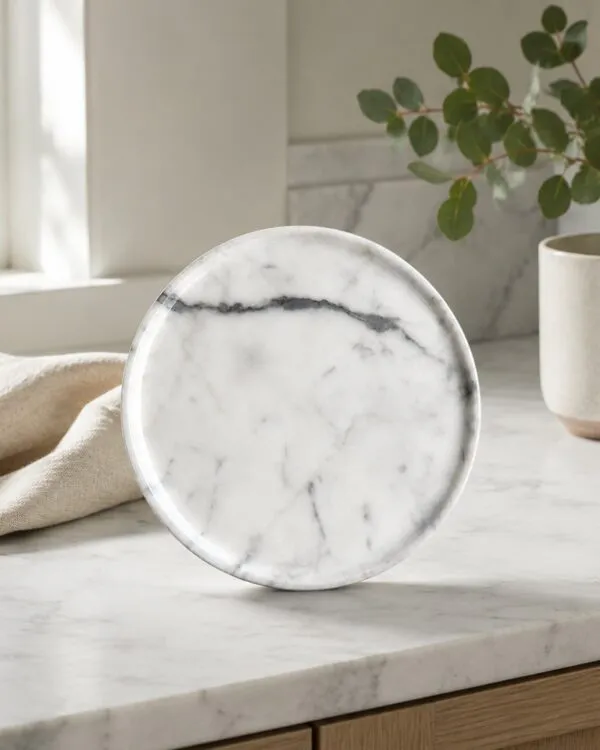
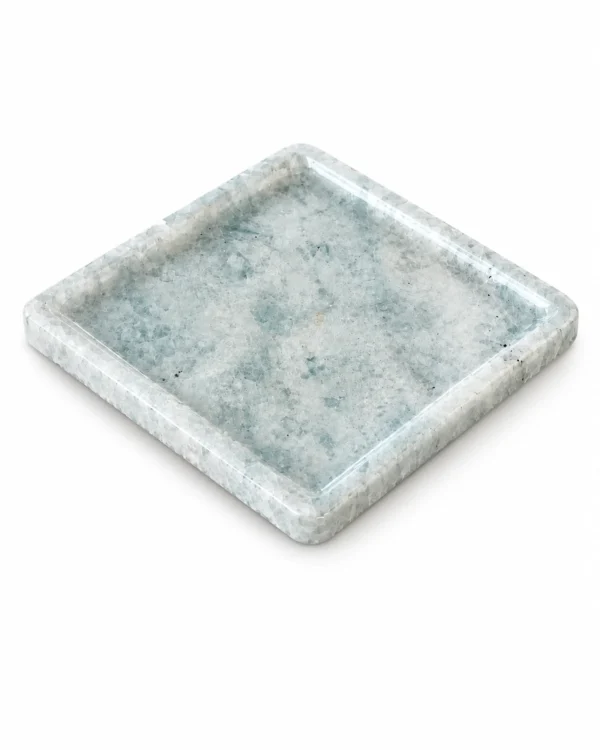
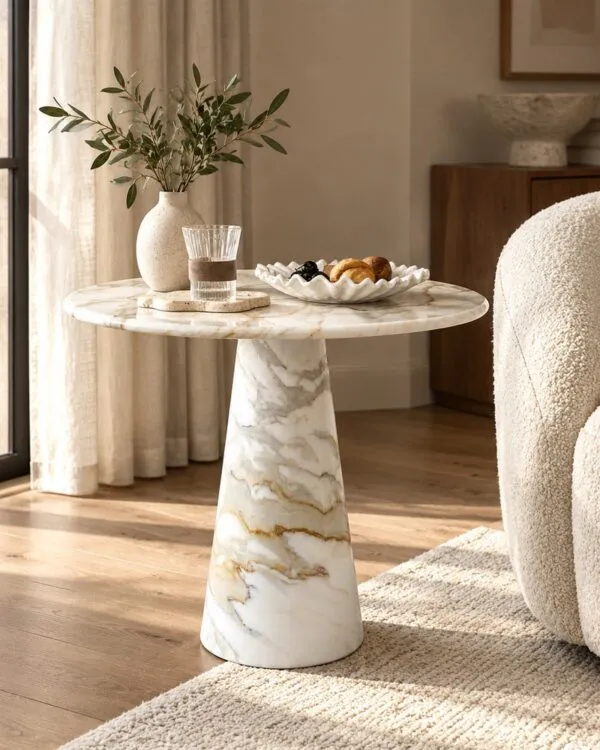
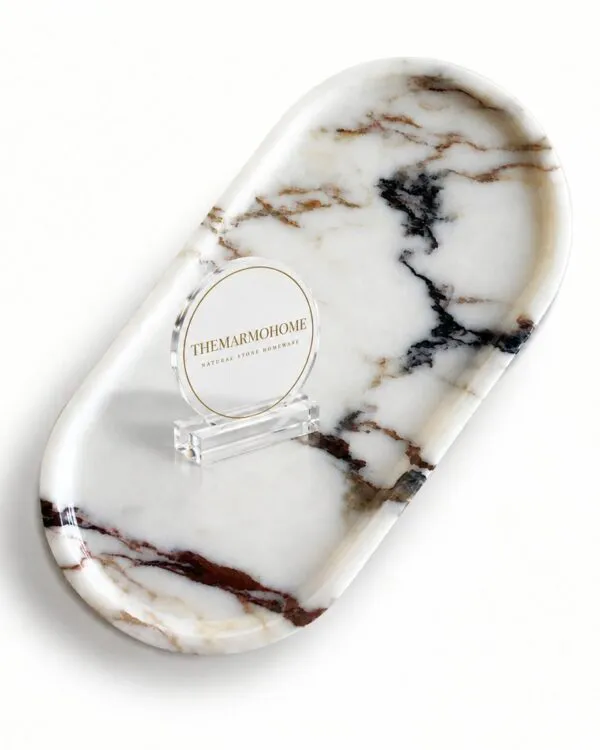
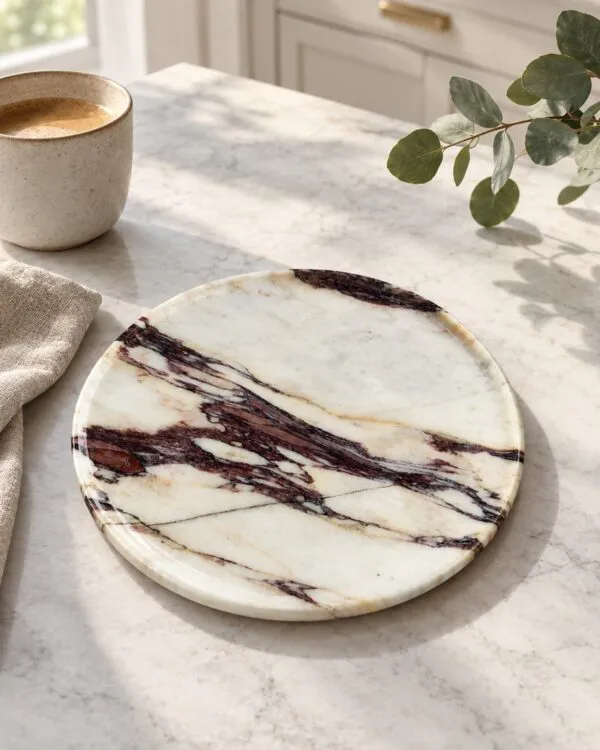
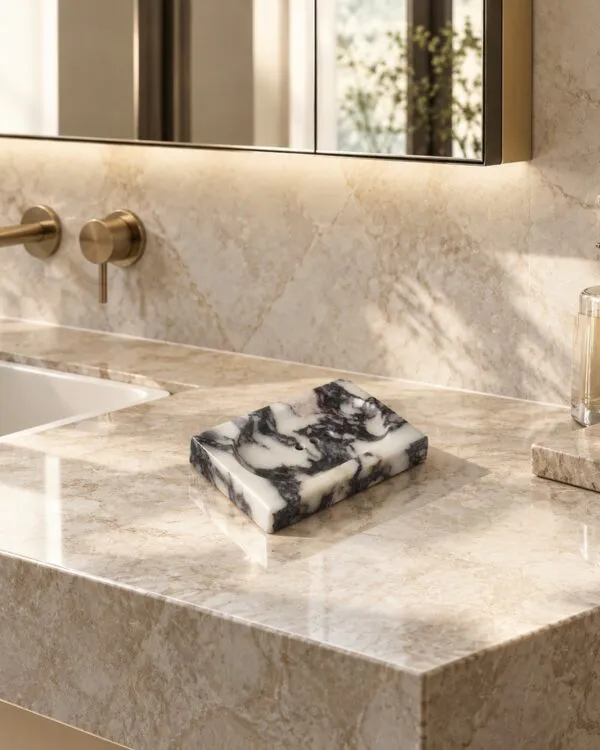
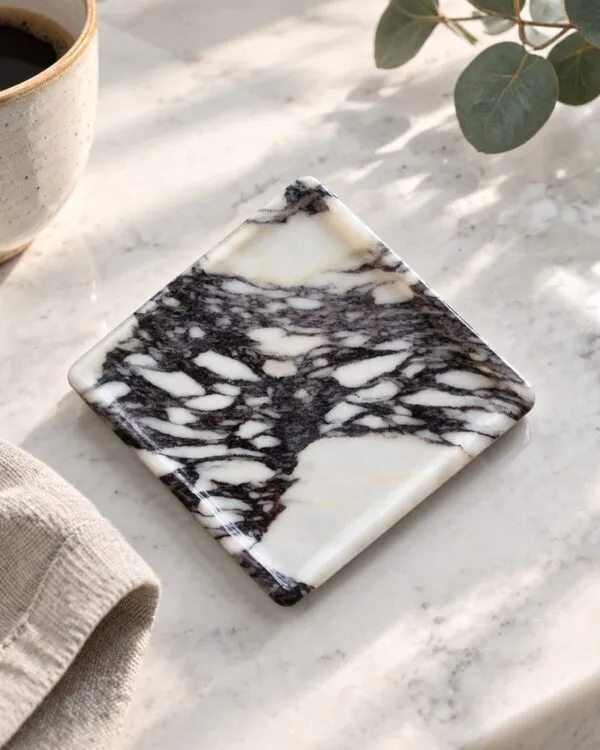
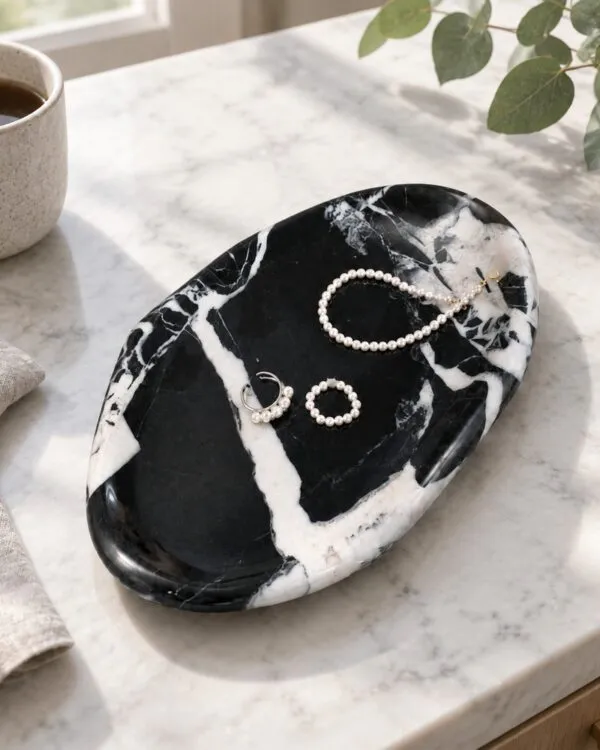
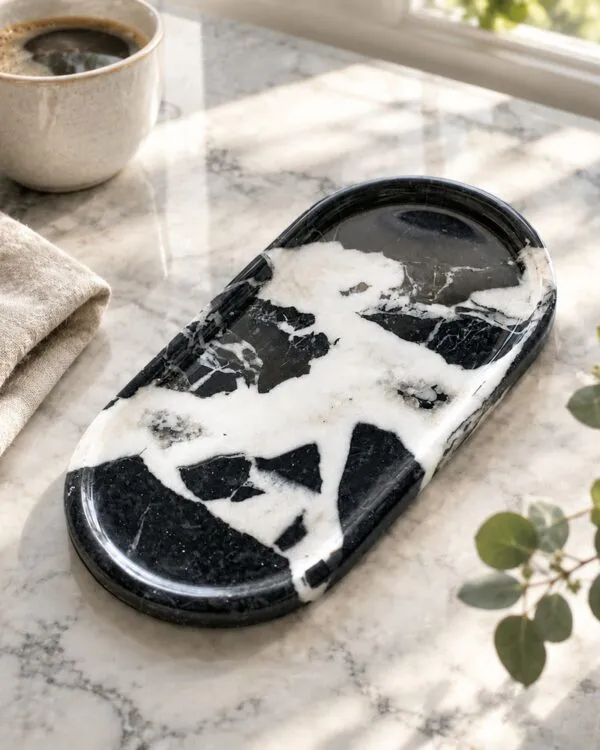
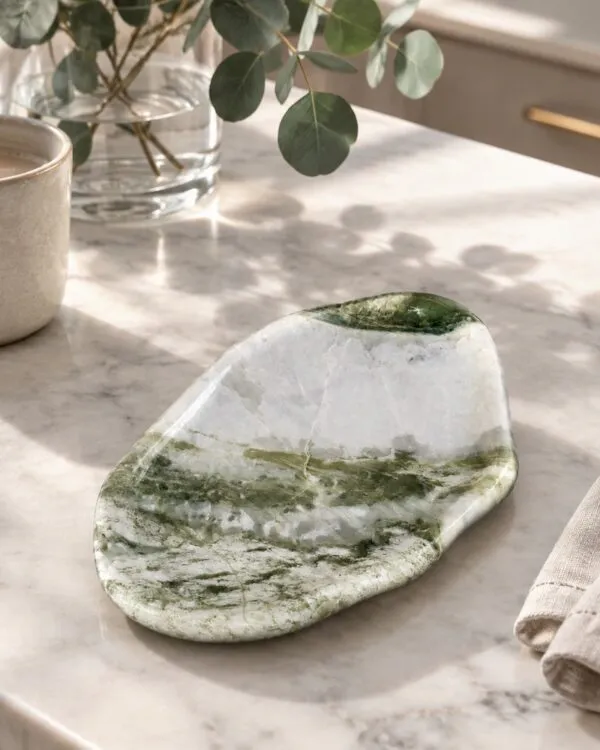
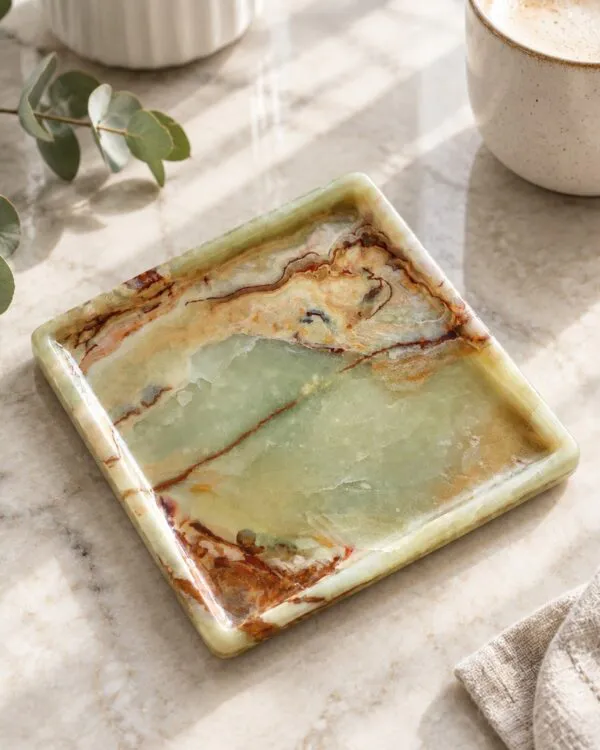
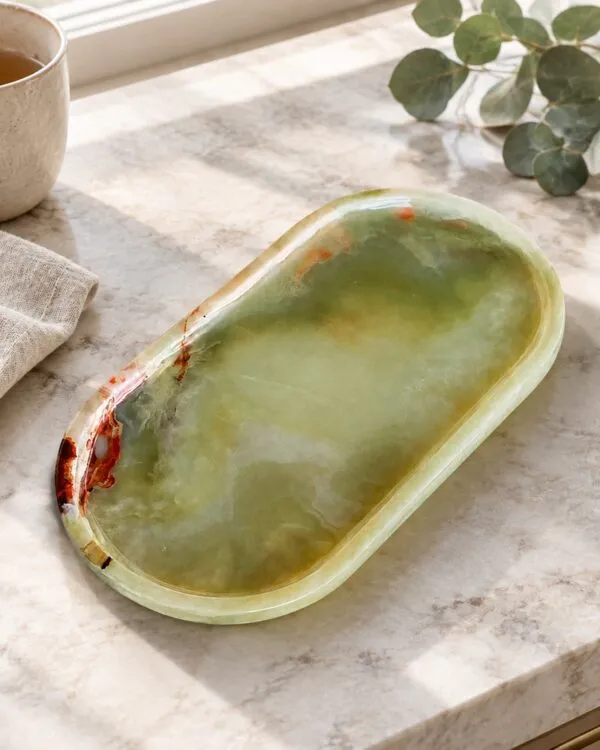
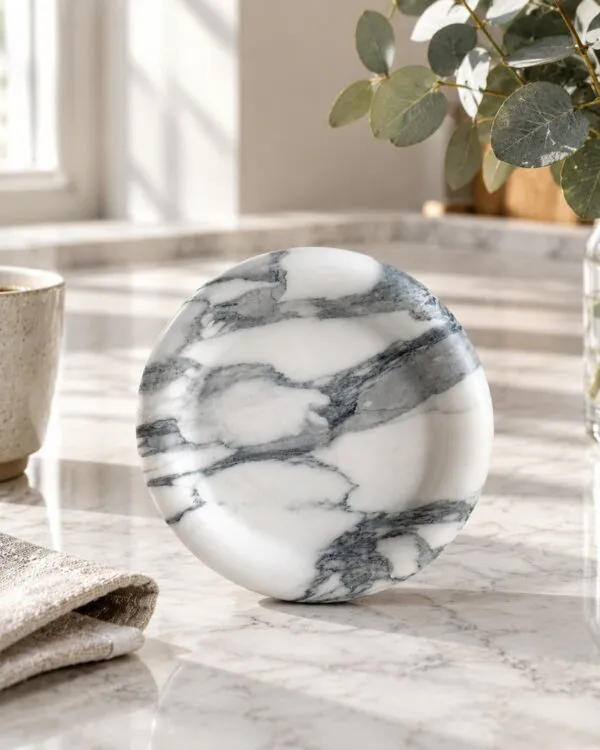
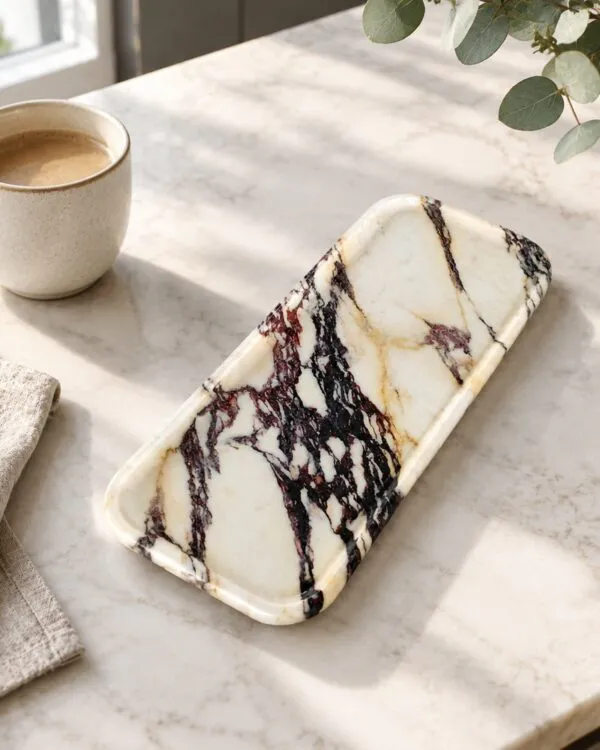
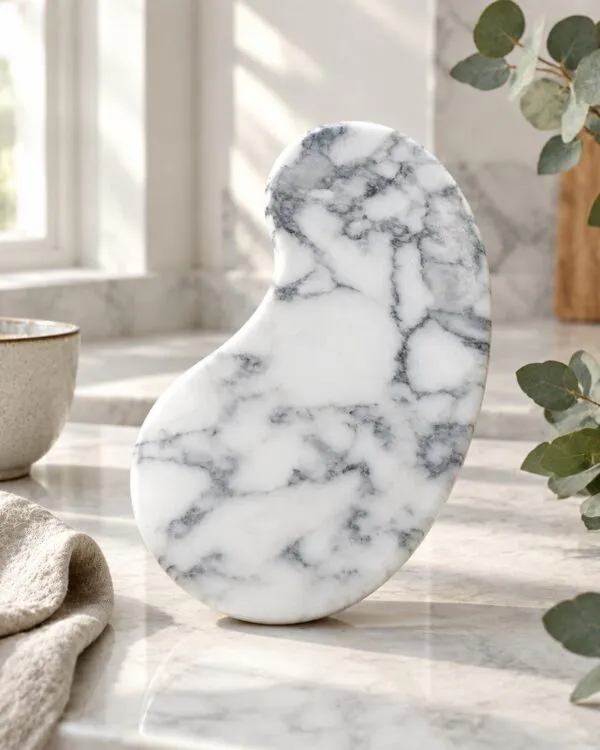
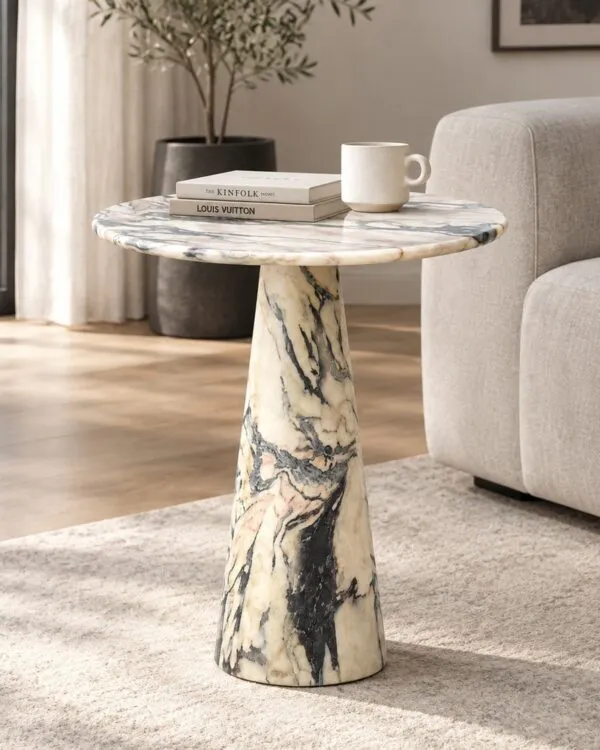
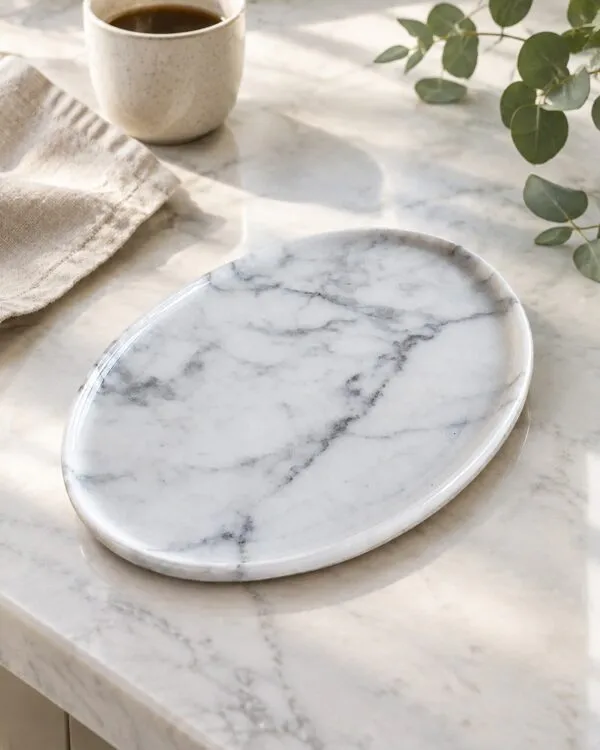
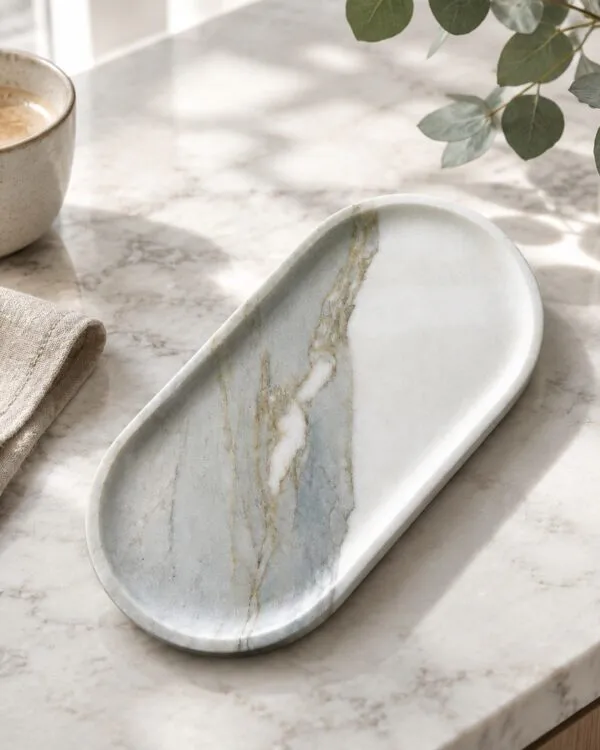
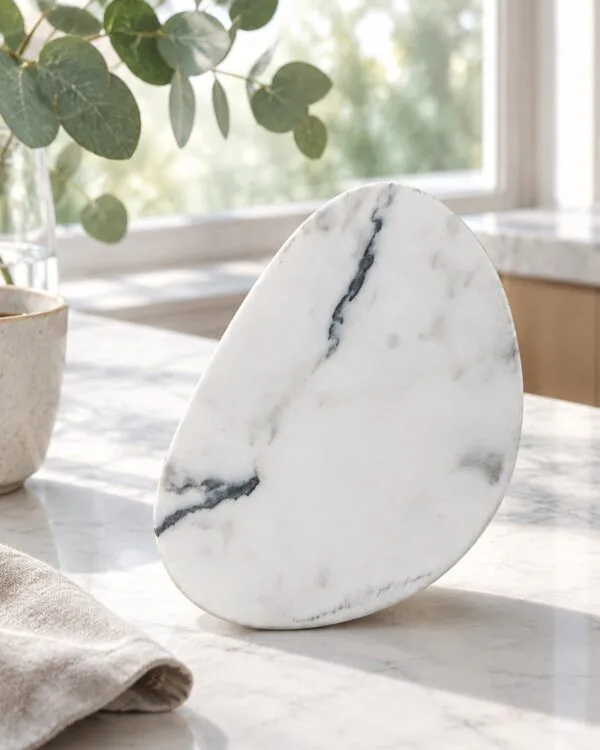
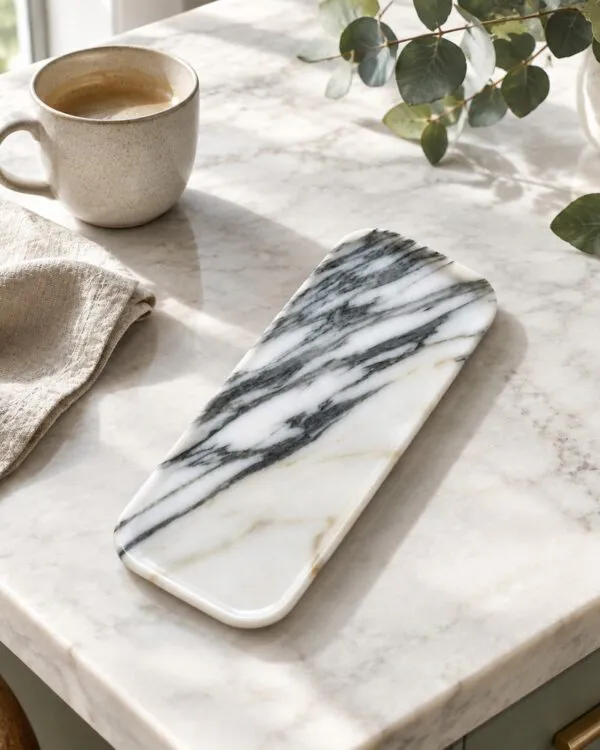
Stones used in this collection
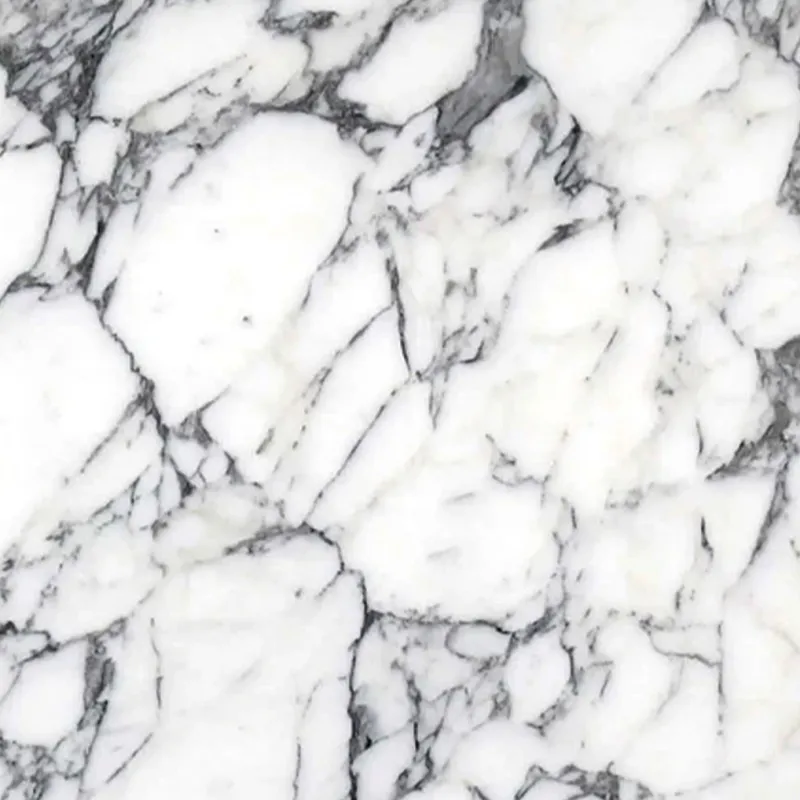
- Arabescato
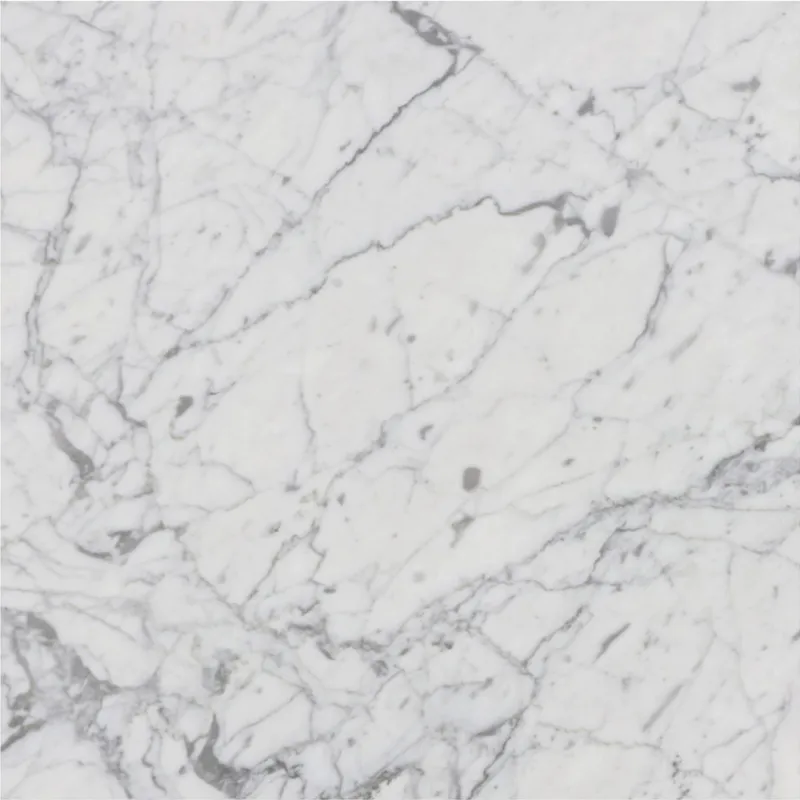
- Bianco Statuario Venato
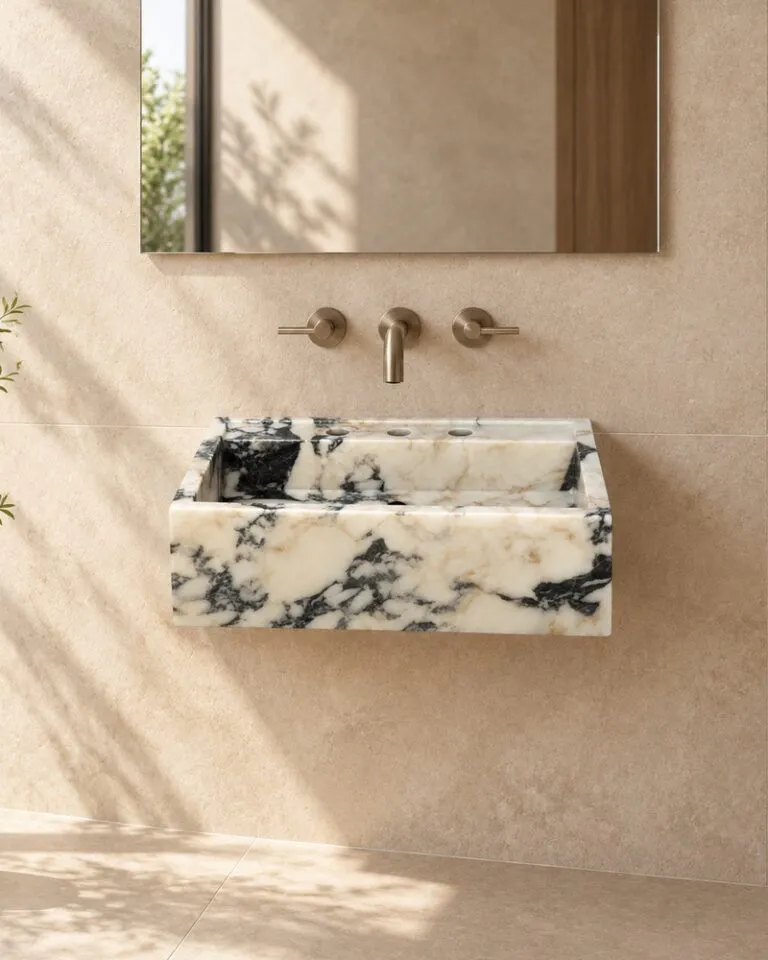
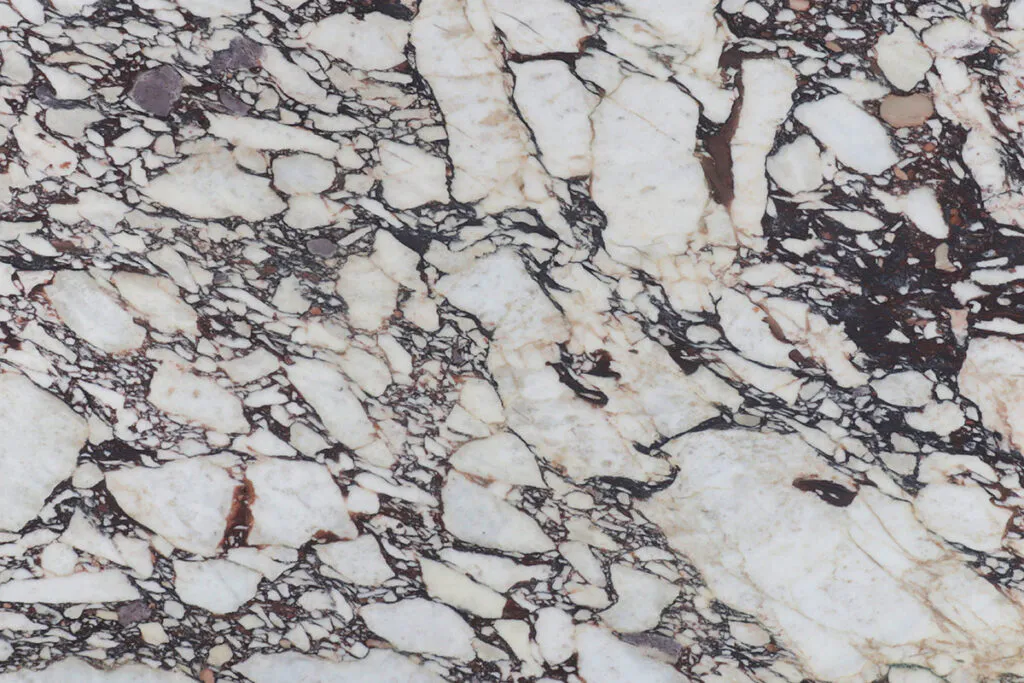
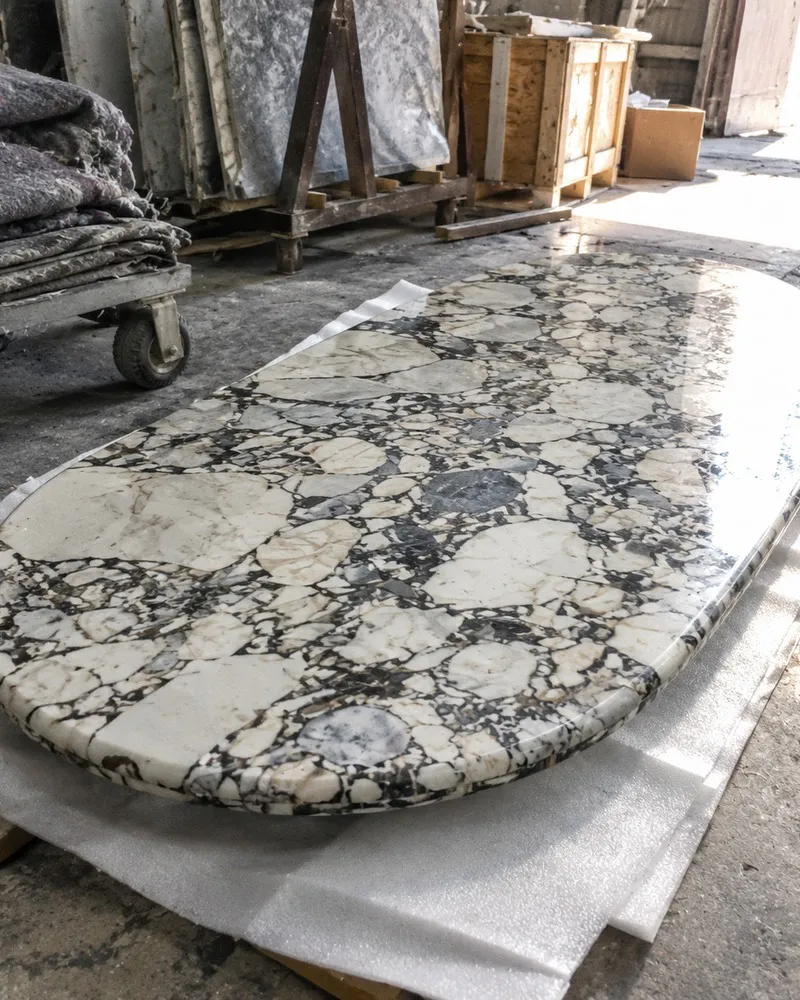
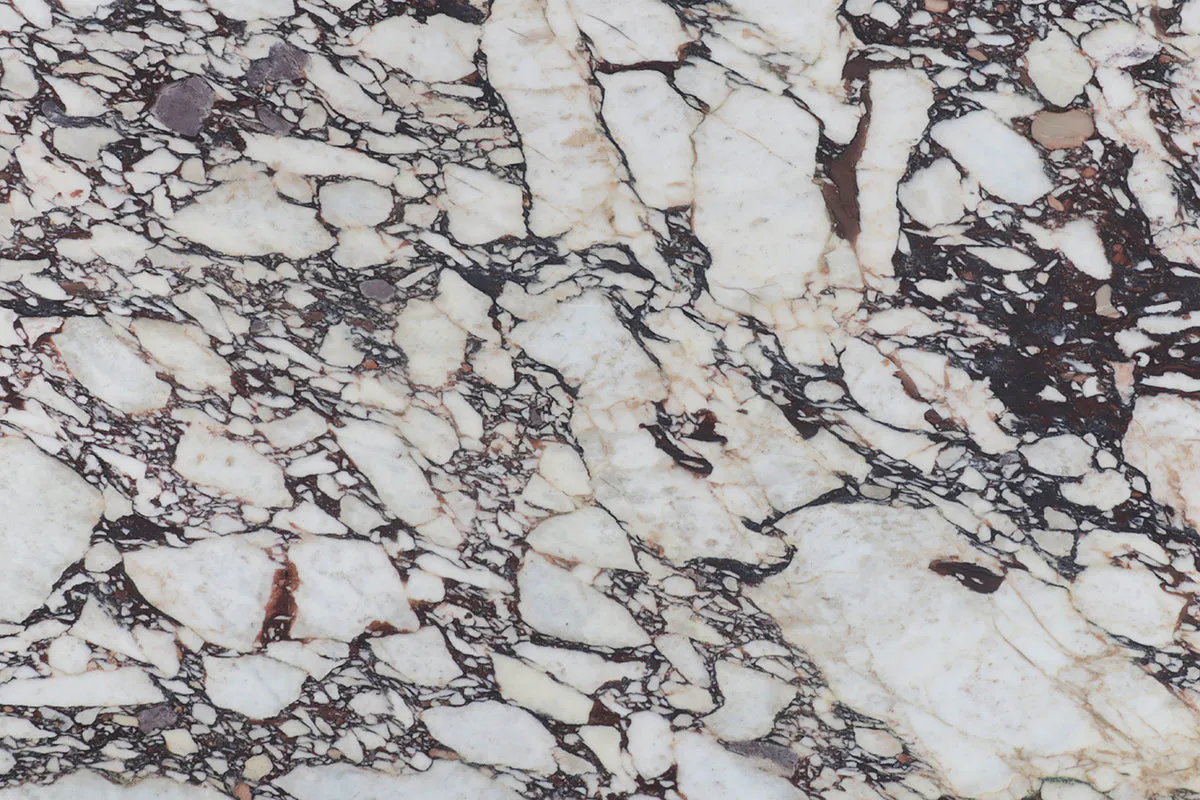
- Calacatta Viola
- Verde Alpi
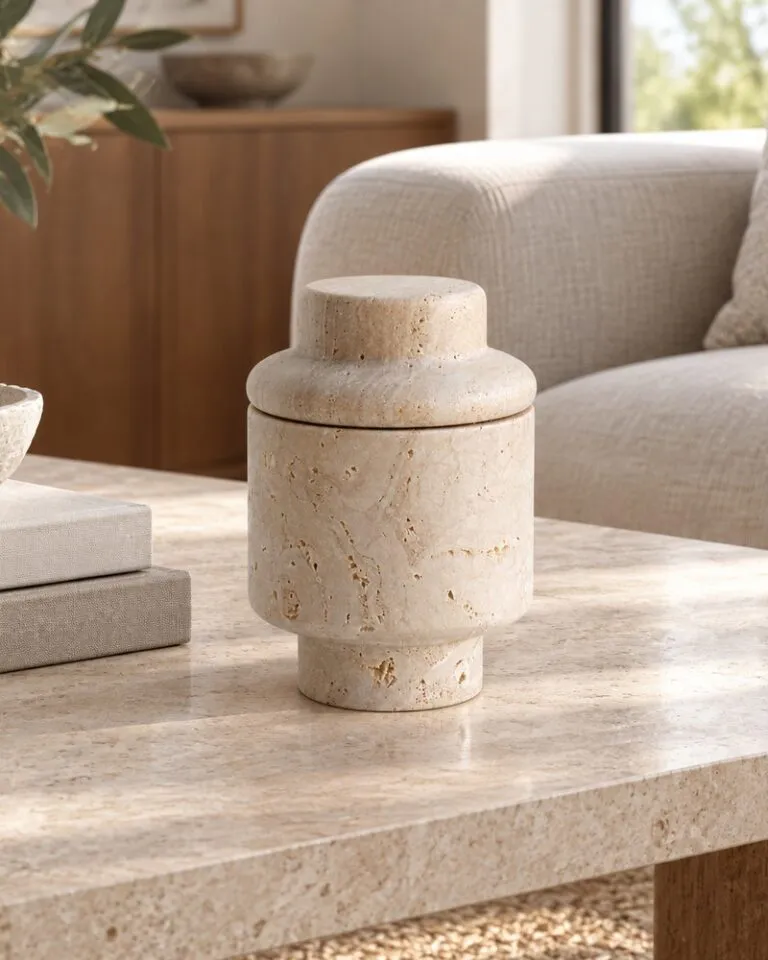
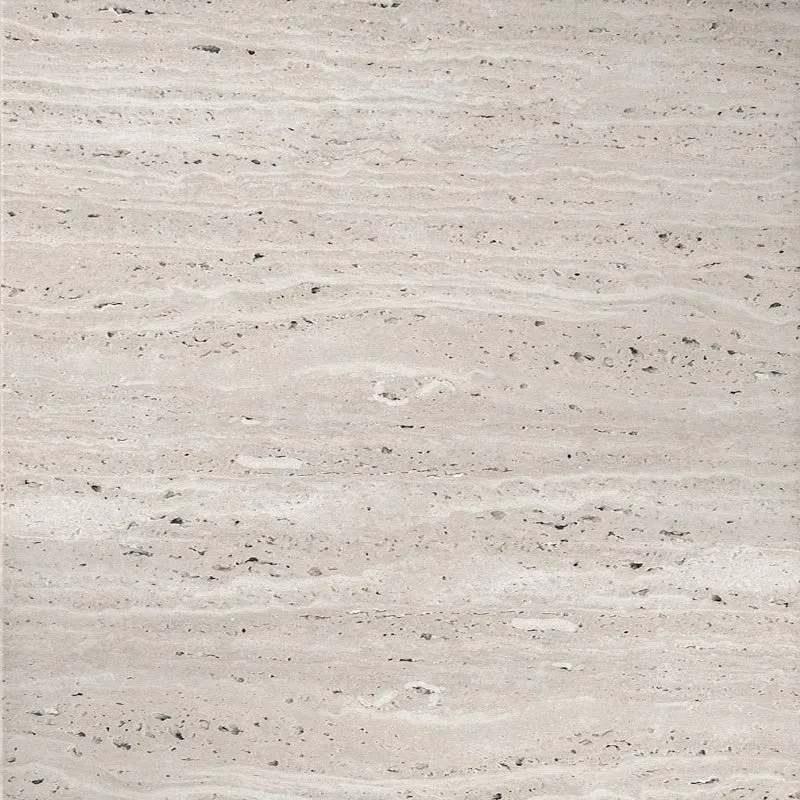
- White Travertine
- Red Travertine
- Silver Travertine
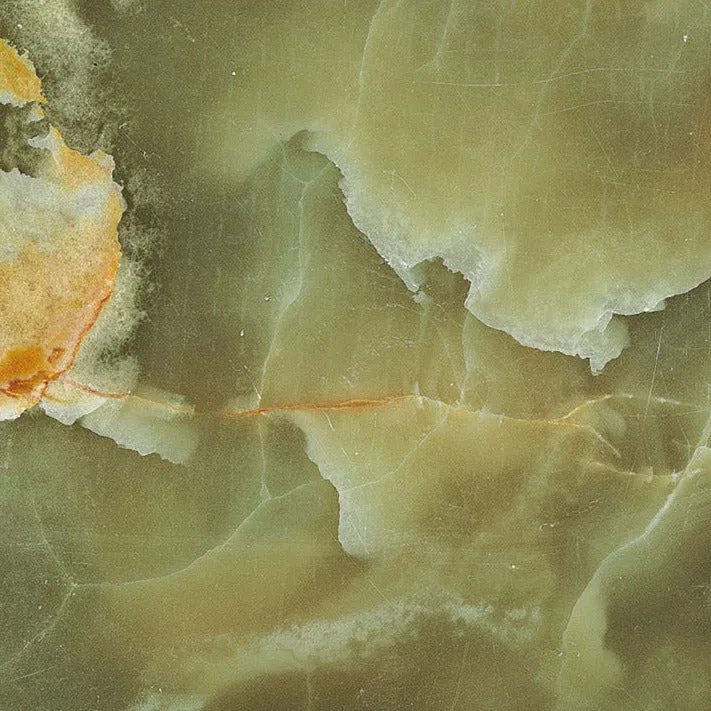
- Green Onyx
- Green Forest
Buying Guide
Stone Trays & Objects: Small Pieces, Real Stone
A stone tray is the smallest way to put real material into a room — and one of the most useful. Carved from the same blocks as our tables, they carry the actual veining and texture of the stone rather than a print of it, at a size that can be picked up and moved when the room changes.
What Stone Trays Are Actually For
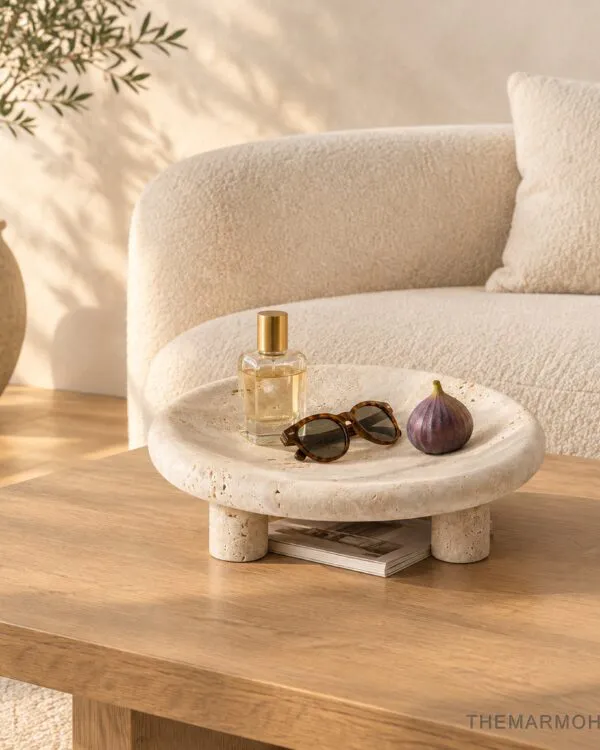
More than styling. In a bathroom, a travertine tray holds soap, a candle and a folded towel without the plastic look of most bathroom accessories, and it handles splashes without complaint. On a coffee table it groups a candle, a bowl and a small vase into one deliberate object, which is the simplest way to make a surface look arranged rather than cluttered. In a kitchen it works as a resting place for oil, salt and a spoon, and in an entry it holds keys and post. On a bedside table it stops a lamp, a glass and a book from drifting apart.
Filled or Unfilled Travertine?
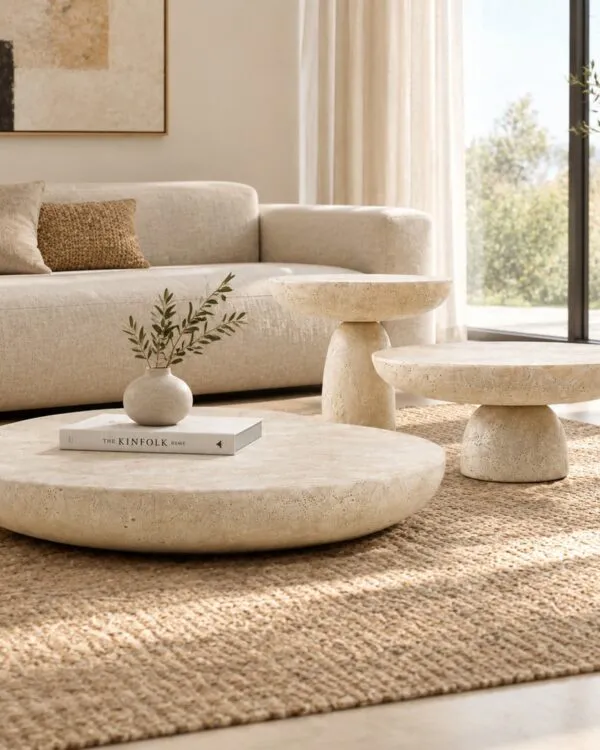
Travertine has natural voids — gas bubbles and plant fragments trapped as the stone formed around mineral springs. In filled travertine those pits are filled and the surface is honed smooth, which makes it easy to wipe and the better choice for anything that will hold liquid or sit in a bathroom. In unfilled, brushed travertine the pits are left open and the texture is the point: you feel the material when you pick it up, and it looks older and more natural from the start.
The trade-off is practical: unfilled surfaces collect dust in the texture and need a soft brush rather than a wipe, and spilled oil can settle into the pits. For a tray that will actually be used, filled and honed is usually the right answer; for a decorative object, unfilled is more interesting.
What to Look For
- A real lip. A raised edge is what makes a tray a tray. Shallow is better than deep for serving and styling.
- Weight. A stone tray should feel solid enough not to slide when you pick something off it. Very thin stone needs a backing to survive daily use.
- A protected base. Felt or cork underneath stops the stone scratching a table top — check before buying if the tray will live on wood.
- Honest edges. Straight and slightly eased is the most practical; very sharp edges chip more easily.
Choosing the Stone
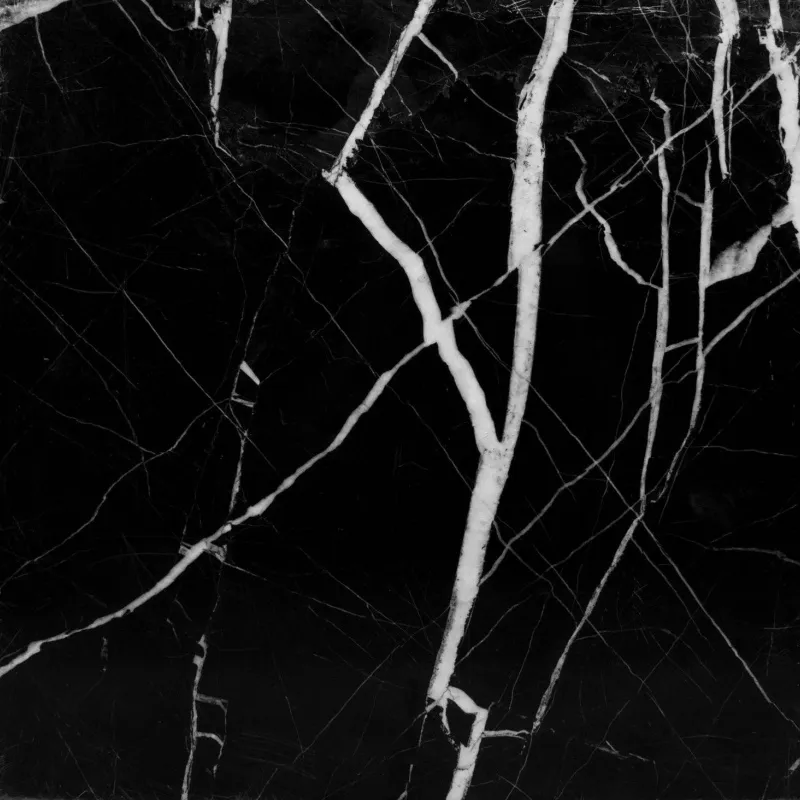
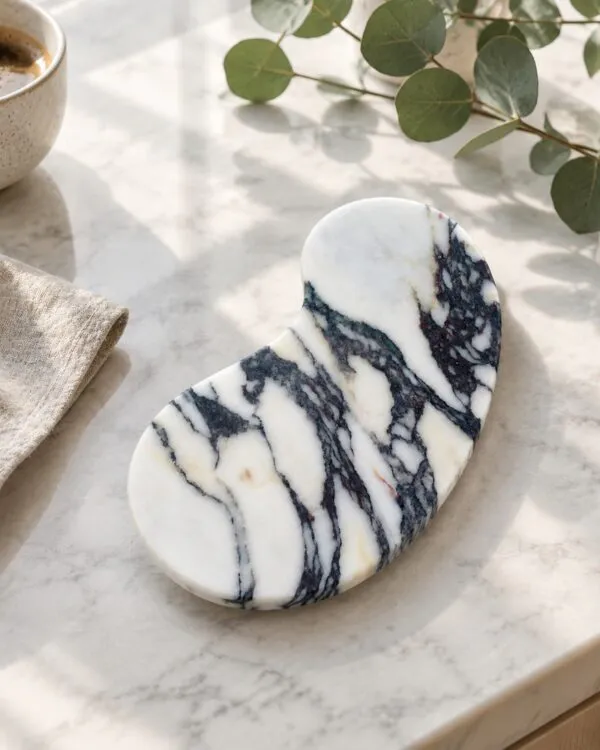
Small pieces crop the material hard, so bold stones work well here: Calacatta Viola and Verde Alpi read as abstract compositions on a tray, and Nero Marquina gives a graphic black-and-white detail that clarifies a warm palette. Beige and silver travertine are the quietest and the easiest to live with in a bathroom. Green onyx is the one to choose if you want the tray to be an object in its own right.
Care
Trays ship sealed. Rinse and dry rather than leaving them wet — standing water is what dulls a honed surface over time. Keep acidic cleaners away from marble and travertine, and re-seal annually, more often in a bathroom. Avoid dropping them: stone chips at the edge rather than flexing.
Sizing, and How to Compose One
Three sizes cover almost every use. A small tray — roughly 20 by 30 cm — is a bathroom or bedside object: soap, a candle, a glass. A medium tray is the coffee table workhorse, holding a candle, a small bowl and a vase without covering the stone it sits on. A large tray, closer to a platter, is for serving or for an entry where it collects keys and post.
On composition: odd numbers of objects read better than even, and varying the heights does more for a tray than adding more things. A candle, something low and textured, and one taller stem is usually enough. Leave a margin of bare stone at the edge — a tray packed to the rim looks accidental, a tray with air around its contents looks arranged. And because the tray is stone, let the veining be the pattern rather than adding an object with its own print.
- Can a stone tray be used in a bathroom?
- Yes — that is one of its best uses. Choose filled and honed travertine or a polished marble, dry it after use, and re-seal annually to keep water from dulling the surface.
- Is unfilled travertine hard to clean?
- It needs a soft brush rather than a wipe, because dust settles into the natural pits. Filled travertine is the practical choice for anything that will hold liquid.
- Will a stone tray scratch my table?
- Not if it has a felt or cork base. Check before buying if the tray will sit on wood or a polished stone top.
- Are stone trays heavy to carry?
- They are heavier than wood or resin, which is what keeps them stable. A serving-size travertine tray is comfortable in one hand; the largest sizes are better carried with two.




 Calacatta Viola