

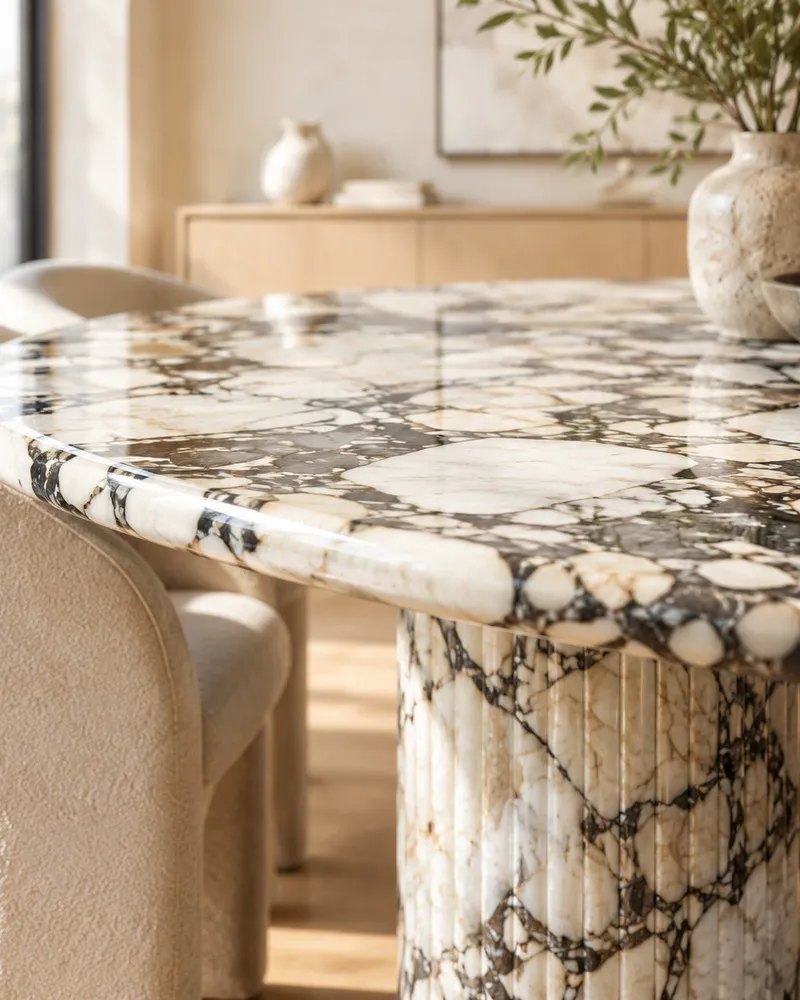

How to Clean a Marble Table (Without Damaging It)
What lifts a wine stain, what etches marble permanently, and how often to re-seal — a practical routine for marble and travertine tables.
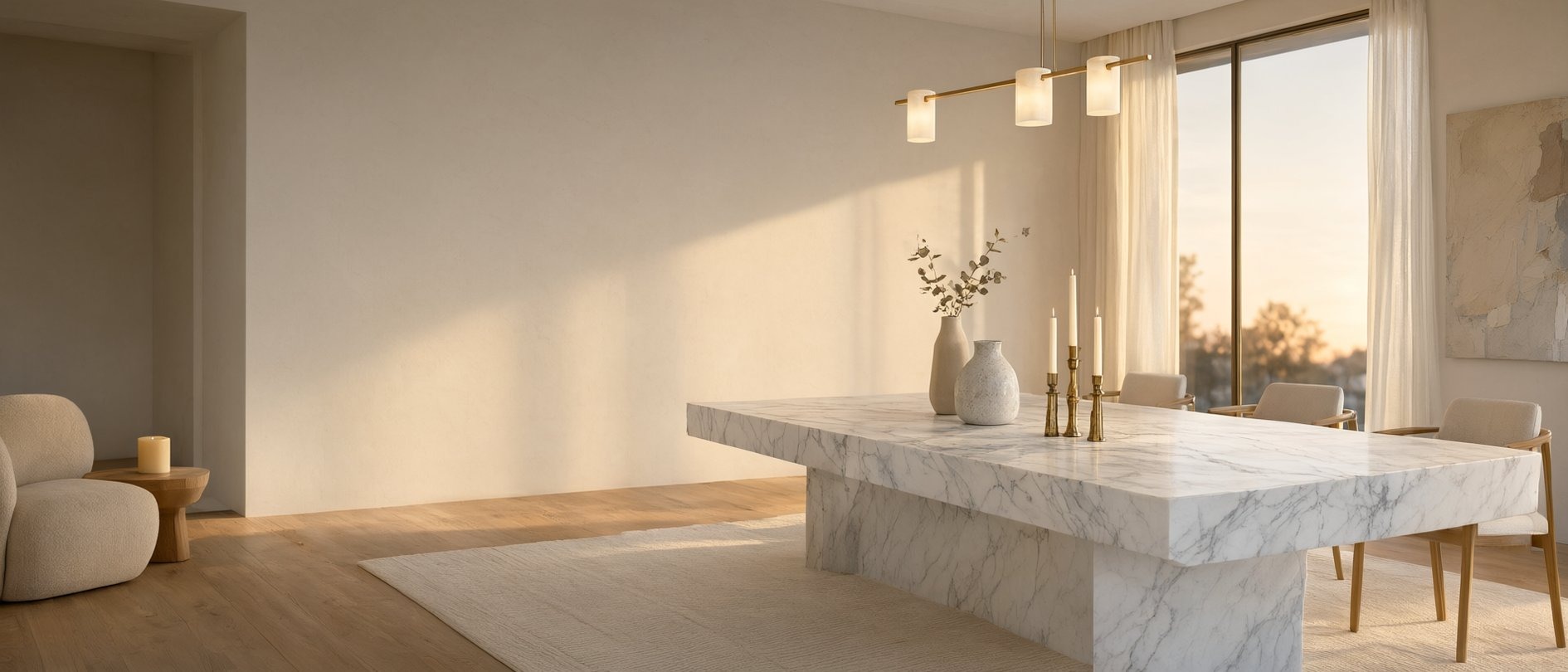
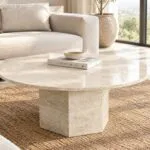
A marble table is not high-maintenance — it is just specific about what you put on it. The habit that keeps it looking new is not a special product, it is a gentle, frequent wipe. Here is the routine we give every customer, and what to do when something actually spills.
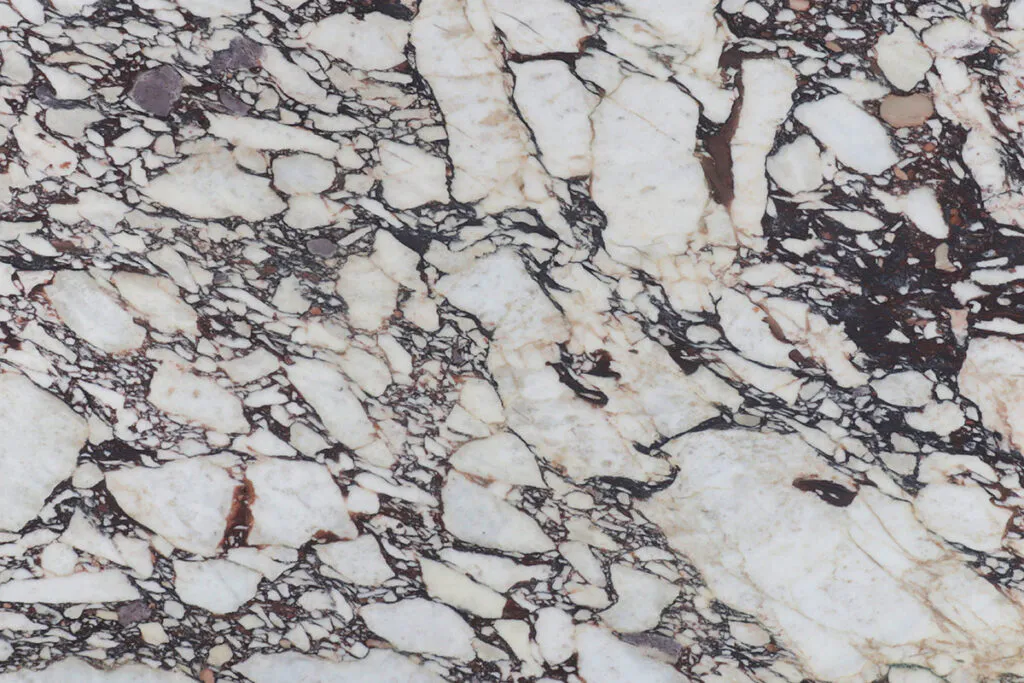
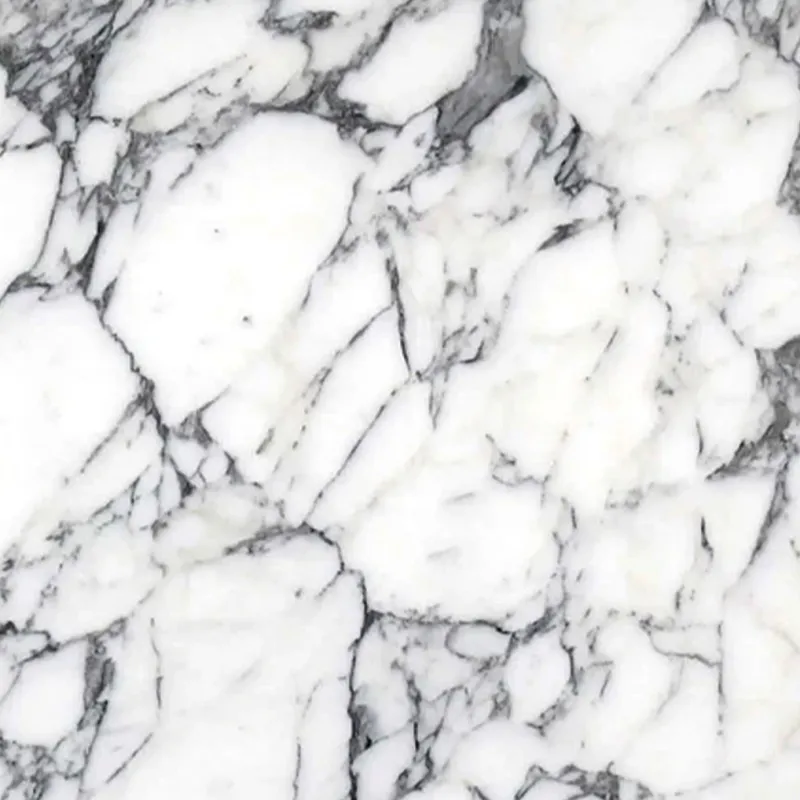
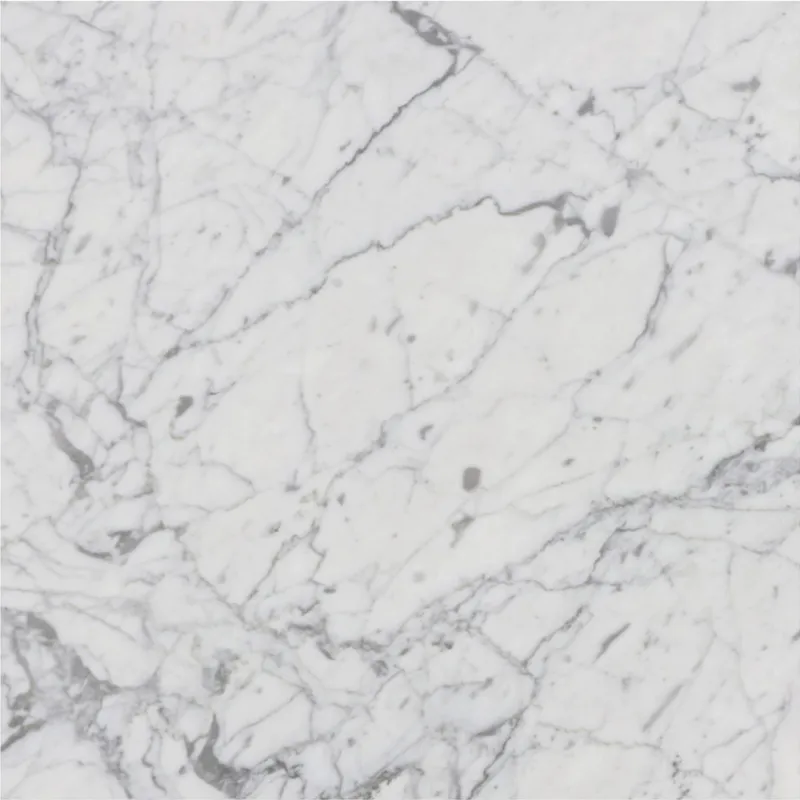
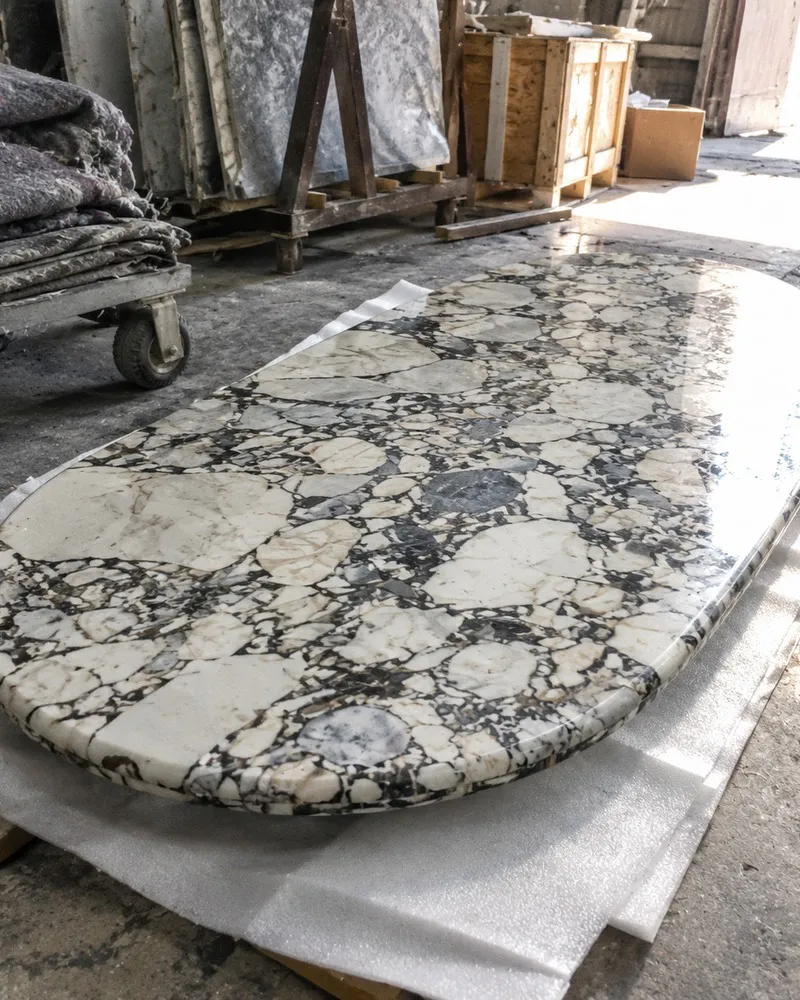
Every table we ship is cut from a single Arabescato, Carrara or Calacatta Viola slab in our own factory — no veneers, no middlemen. These care notes are written for the real stone we work with.
1. Clean it often, and gently
The single rule that keeps a marble table looking new is not a product — it is frequency. Dust and grit are more damaging than any spill, because they are abrasive and they get dragged across the polish every time something is set down. Wipe the surface with a soft, slightly damp cloth and a drop of pH-neutral soap once a day if the table is in use, and dry it afterwards with a second cloth rather than letting water sit.

Microfibre is the right cloth for the job: it lifts grit instead of pushing it. Paper towels are fine in a pinch but they can leave lint in the texture of a honed surface. Never use a scouring pad, a magic eraser, or anything marked abrasive — marble is relatively soft as stones go, and a scrubbed patch will show as a dull area that no amount of polish brings back.
2. What to do about specific stains
Most marks on a marble table are one of four things, and each has a different answer.
- Wine, coffee, tea and juice. Blot immediately rather than wiping, so you do not spread the liquid across a wider area. Then clean the spot with a damp cloth and pH-neutral soap. On a sealed surface, an early blot is usually the whole story.
- Oil, butter, dressings. Oil does not evaporate, so it can darken the stone as it penetrates. Blot what you can, then draw the rest out with a poultice of baking soda and water left on the spot for 24 hours.
- Ink and dye. These are the hardest to remove and the strongest argument for wiping up fast. A poultice helps; a stubborn mark may need a professional.
- Etching (not a stain). A ring left by a lemon or a glass of wine is usually etching — the acid has dulled the polish rather than coloured the stone. See the protection section below.
3. Products to keep away from marble
Marble is calcium carbonate. Anything acidic — vinegar, lemon juice, lime scale remover, some glass cleaners — will etch it on contact. So will abrasive powders. Stick to pH-neutral soap and water, and you will never need to repair an acid burn. If you are unsure whether a cleaner is safe, the label will usually say “do not use on natural stone” when it is not.
4. Protect it: sealing and coasters
Sealing is the quiet half of marble care. A penetrating impregnator fills the microscopic pores so spills sit on the surface longer before they soak in, buying you time to wipe. For a table in daily use, reseal about once a year. Sealing slows stains; it does not make marble acid-proof, so coasters still earn their place.

That is the whole routine: daily wipe, pH-neutral soap, blot spills, coasters, and a yearly seal. For the deeper background on porosity and how different stones behave, see our stone guide or the full material library.
Frequently asked
Is marble hard to keep clean? No. A soft daily wipe beats any special product. Dust and grit do more damage than spills, so frequency is the habit that matters.
Can I use vinegar or lemon to clean marble? No. Both are acidic and will etch the stone into a dull patch. Use only pH-neutral soap and water.
How often should I seal a marble table? About once a year for a table in daily use, with a penetrating impregnator. Sealing slows stains but does not make marble acid-proof.
What removes an etch mark? Light etching can be honed out with marble polishing powder. Deep etches need a professional — which is why coasters and prompt wiping win.
Related guides
All our tables are made to order from a single slab in our own factory — tell us the stone and size, and we will send slab photos before we cut. Shipping is insured and door to door; orders over $3,000 ship free.



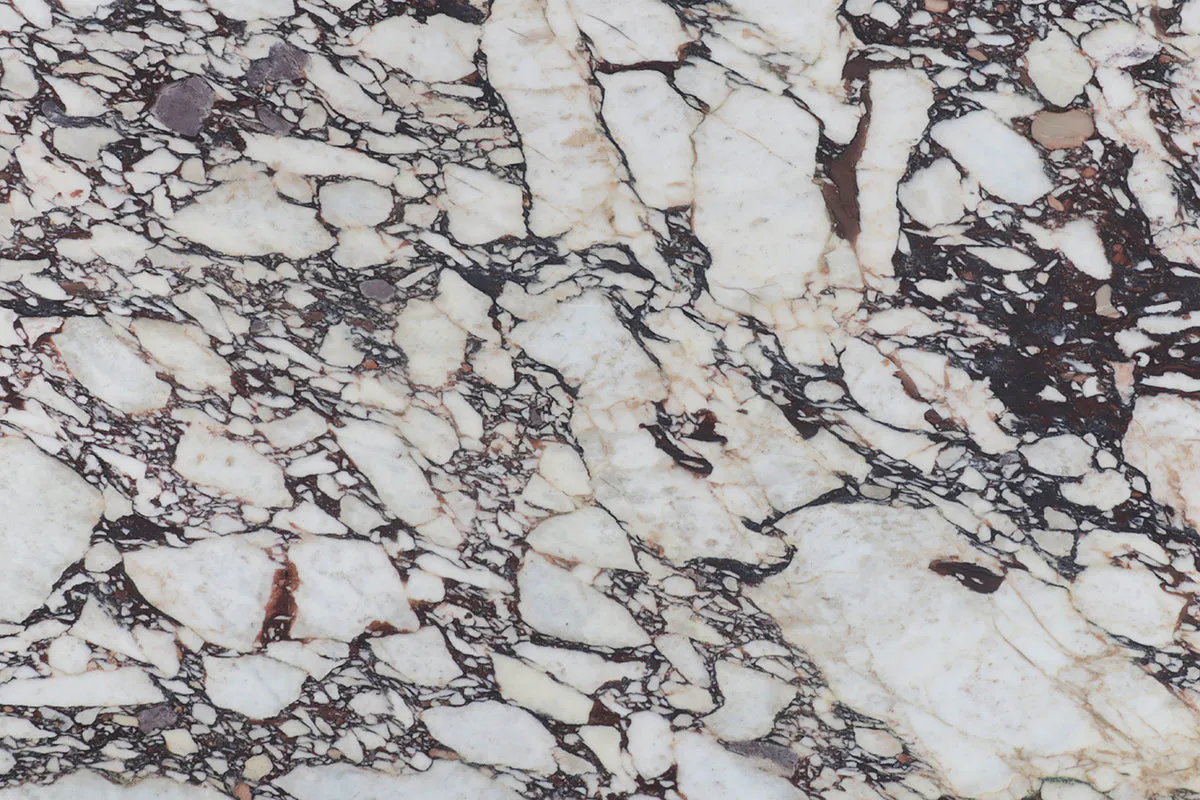 Calacatta Viola