
Nightstands
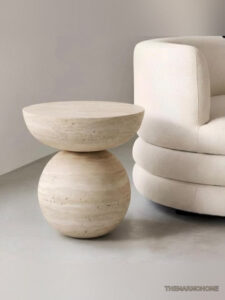
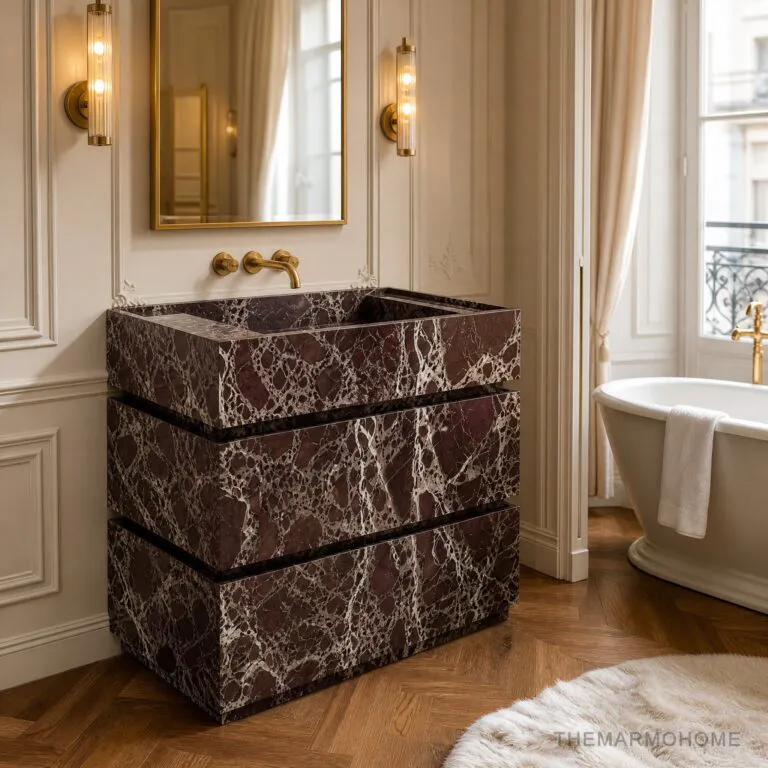
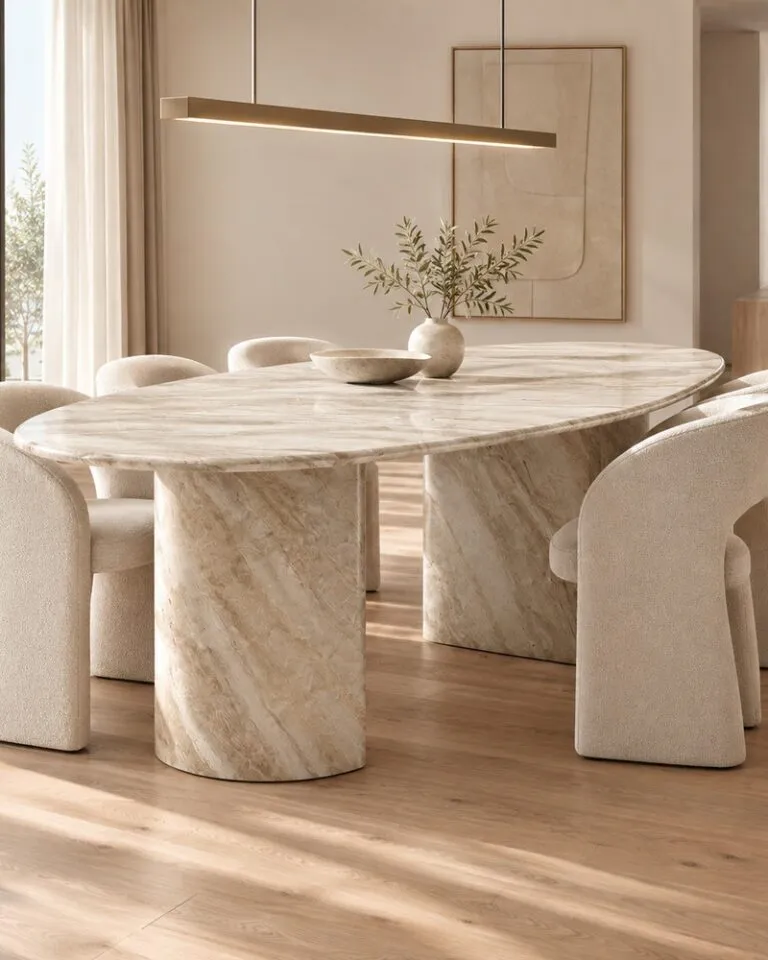
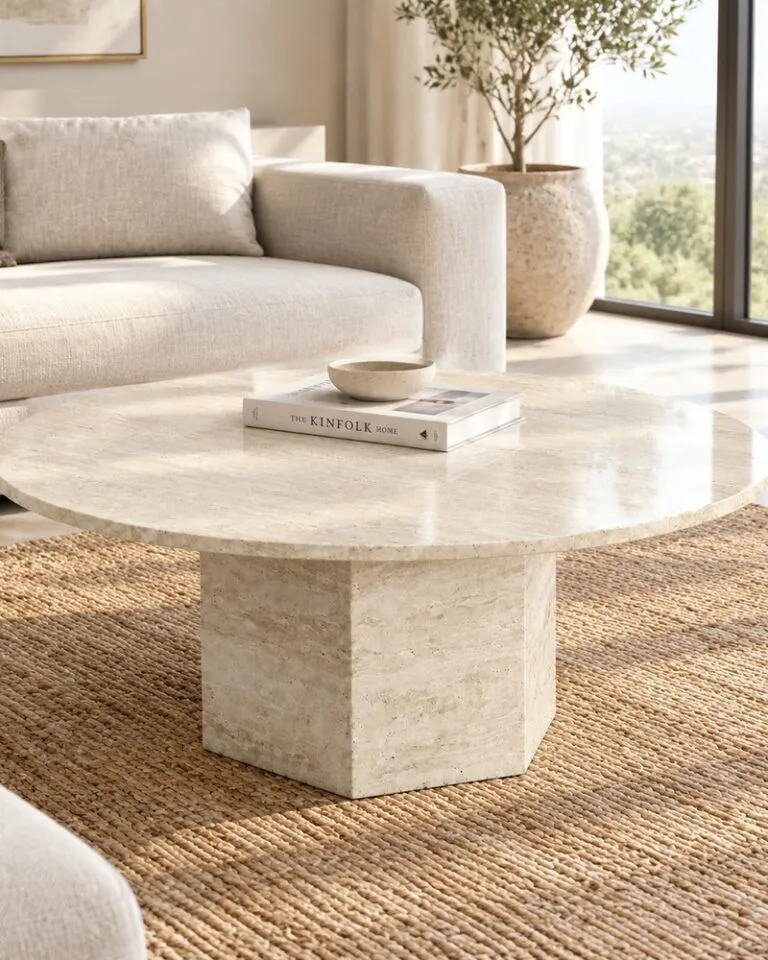
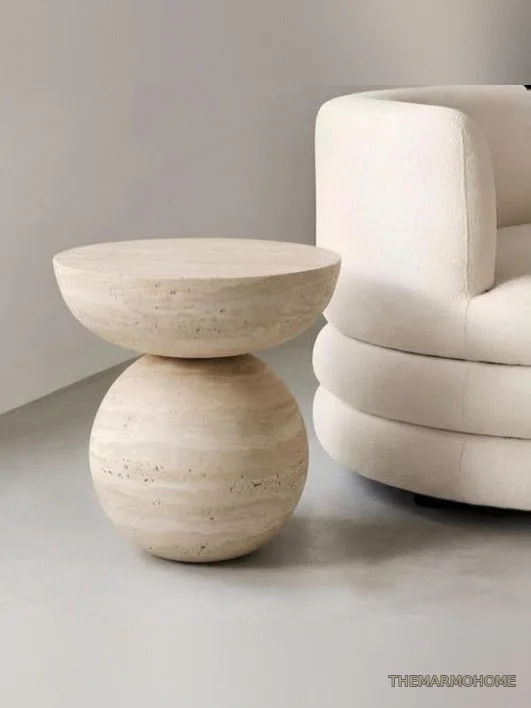
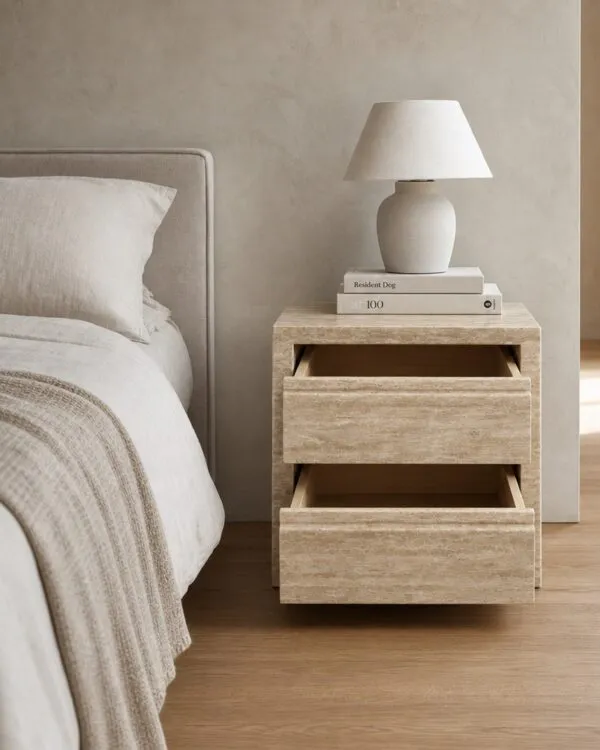
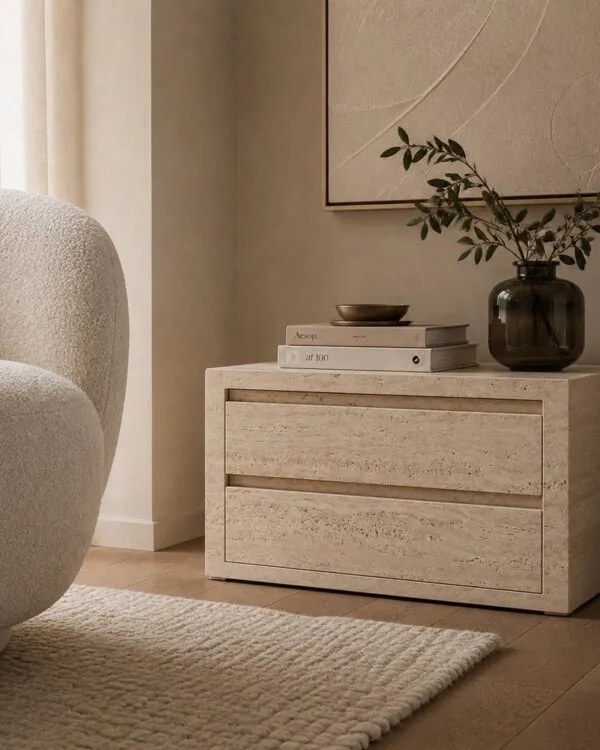
Paired bedside blocks in marble and travertine, matched to the stone of your bed and tables.
-
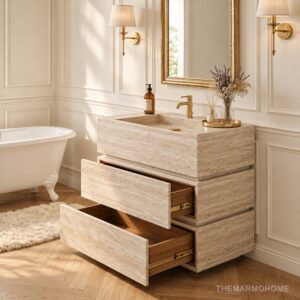
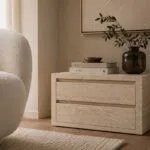
Beige TravertineTravertine Closed Nightstand | Travertine Bedside Cabinet | Travertine Bedside Table$1,460– $1,770
Stones used in this collection
All our stones →Buying Guide
Stone Nightstands: Marble Bedside Tables
A stone nightstand is a small, deliberate object next to a large soft one — which is exactly why it works. Bedrooms are full of fabric; a block of marble or travertine beside the bed gives the room an anchor, and it holds a lamp, a book and a glass without the wobble of a lightweight table.
Height, Before Anything Else
The top of a nightstand should sit level with, or a few centimetres below, the top of the mattress. Too low and you are reaching down in the dark; too high and the lamp glares into your eyes when you are lying down. Measure the mattress top with the bedding on, not the bed frame — a deep mattress topper changes the number by several centimetres.
- Height: level with the mattress top, typically 50–60 cm.
- Width: 40–50 cm is enough for a lamp, a book and a glass. Wider if you want a tray or a vase.
- Gap to the bed: a few centimetres, so the table reads as part of the bed rather than floating beside it.
Drawer, Shelf or Solid Block
A drawer hides the things nobody wants on display — chargers, reading glasses, a sleep mask — and is the most useful configuration if there is only one nightstand per person. An open shelf keeps books and a basket visible and makes the piece feel lighter in a small room. A solid block is the most sculptural and the most stable, and it suits a minimalist bedroom where the lamp and the stone are the only objects on show.
One or Two?
A matching pair is the conventional arrangement and the easier one to get right, especially in stone where two pieces can be cut from the same block so the veining relates. A single nightstand works well when the bed is against a wall on one side, or when one side is given to a chair or a floor lamp instead. In that case choose the stone to relate to something else in the room — the fireplace, a windowsill, a piece of art — rather than to an absent partner.
Choosing the Stone
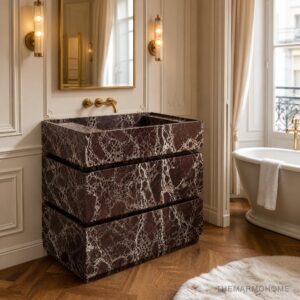
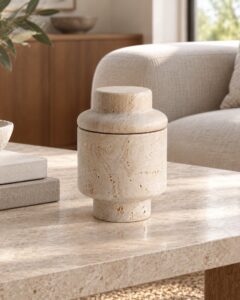
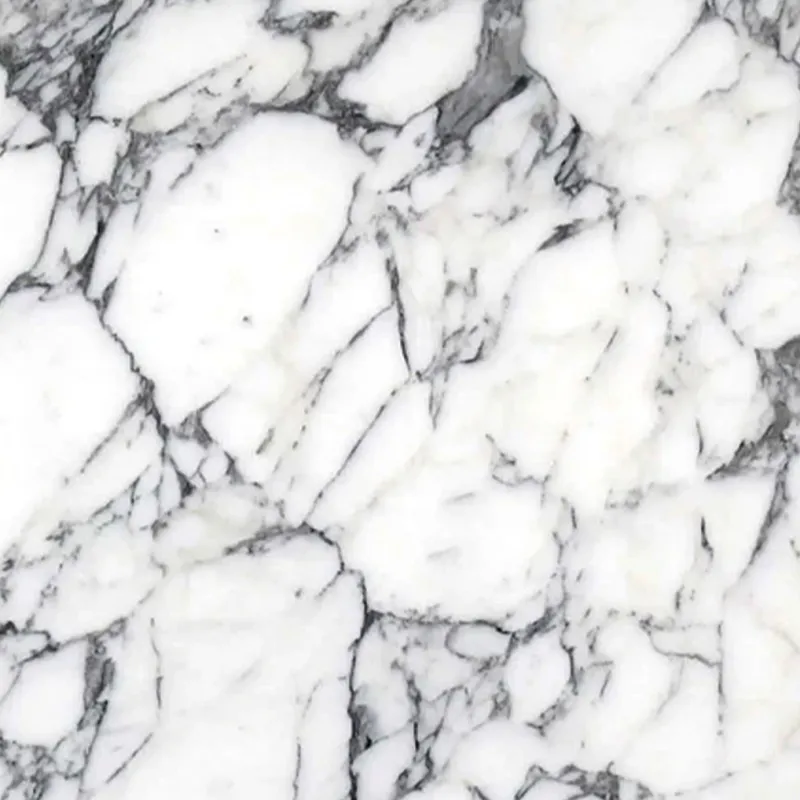
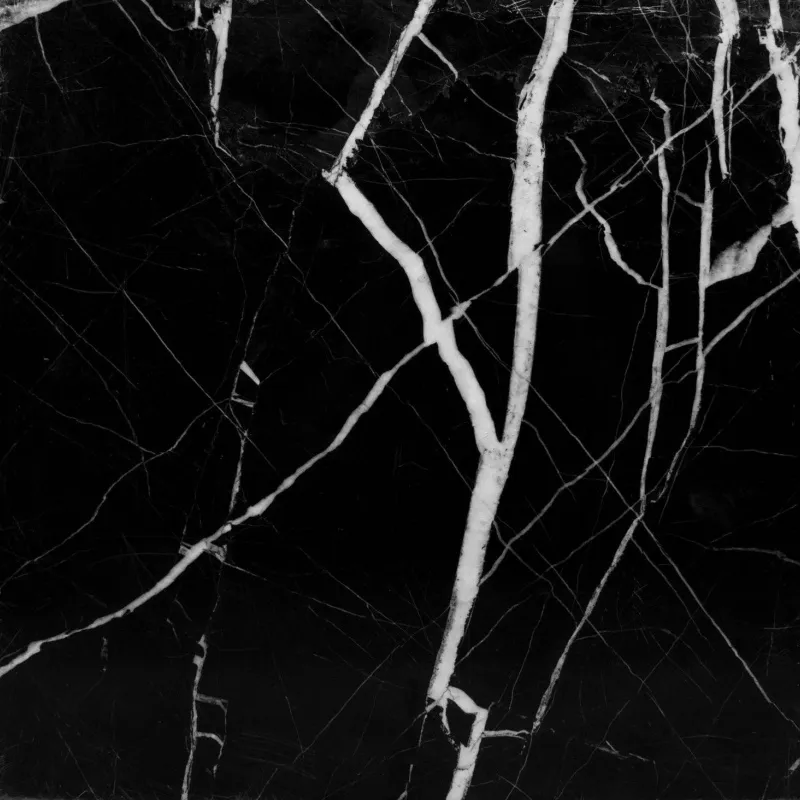
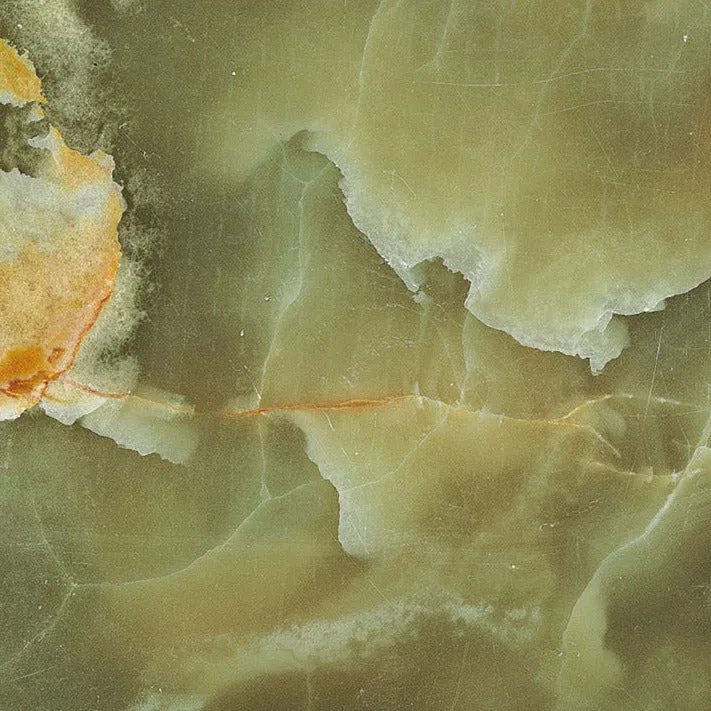
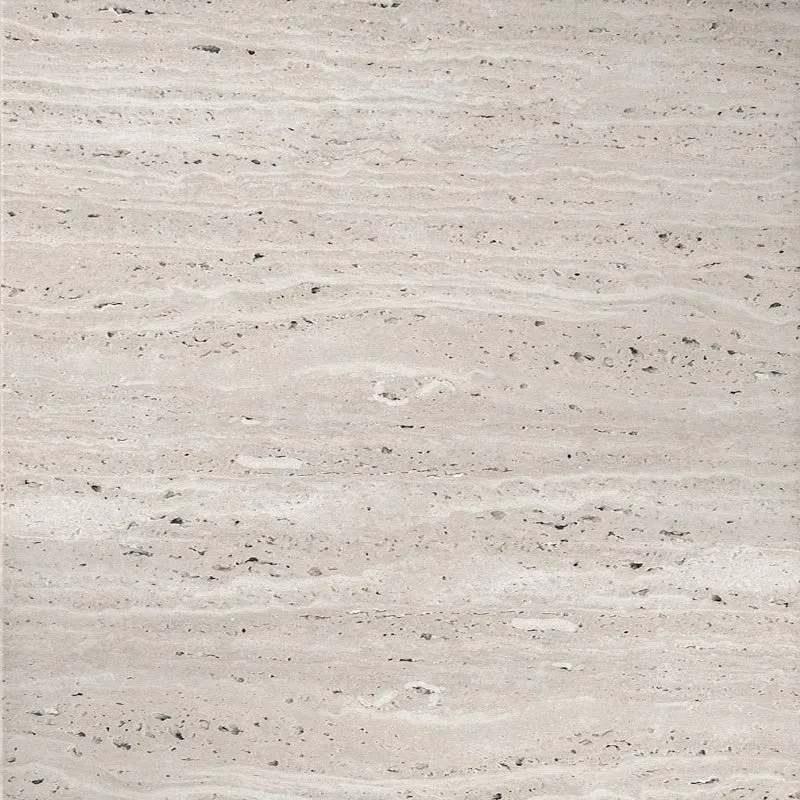
Bedrooms suit warmer stones. Beige travertine is the most restful: matte, sandy, and soft against linen and wool. Carrara and Arabescato give a cleaner, cooler look that suits a pale bedroom with white bedding. Dark marbles — Nero Marquina, Emperador — add weight and a certain hotel gravity, and they hide the everyday marks that bedside surfaces collect. Onyx is best used sparingly here; as a bedside surface it is more fragile than the room needs.
The Small Practicalities
Drinks and bedside tables are a bad combination in any material, and stone is no exception: a water glass left overnight can leave a ring on a sealed surface. Coasters solve it. Keep acidic products — hand creams, some cosmetics — off the surface, wipe spills when they happen, and re-seal once a year. Stone nightstands are heavy enough to stay put, but put felt pads underneath if the floor is timber.
Cable Management and Lighting Placement
A bedside table carries more cable than any other surface in the house: a lamp, a phone charger, sometimes a clock or a speaker. Stone has no give and no gap at the back, so decide where the cables will go before the piece is placed. A small hole drilled at the rear corner is the cleanest answer, and it is easier to ask for at the point of order than to solve afterwards.
Lighting placement matters more than the lamp itself. A bedside lamp should sit towards the back of the table so the shade is behind your shoulder when you are lying down, not in front of your eyes. If there is room for only one object, choose the lamp and put the book on the floor — a bedside table with a lamp and nothing else looks deliberate; one with three things and no light looks unfinished.
- What height should a nightstand be?
- Level with, or a few centimetres below, the top of the mattress with bedding on — typically 50 to 60 cm. A thick mattress topper can change this by several centimetres, so measure with the bed made.
- Do I need two matching nightstands?
- Not necessarily. A pair is conventional and easiest to get right, especially cut from the same block. A single nightstand works well when one side of the bed is against a wall or given to a chair.
- Will a stone nightstand damage a wooden floor?
- Not with felt pads underneath. Stone is heavy enough to stay put, and a padded base also protects the stone edge from chipping.
- Is marble too cold for a bedroom?
- The stone itself is cool to the touch, but visually it warms quickly in a room with linen, wool and warm lighting. Travertine is the warmest option; Carrara and Arabescato read cooler and cleaner.


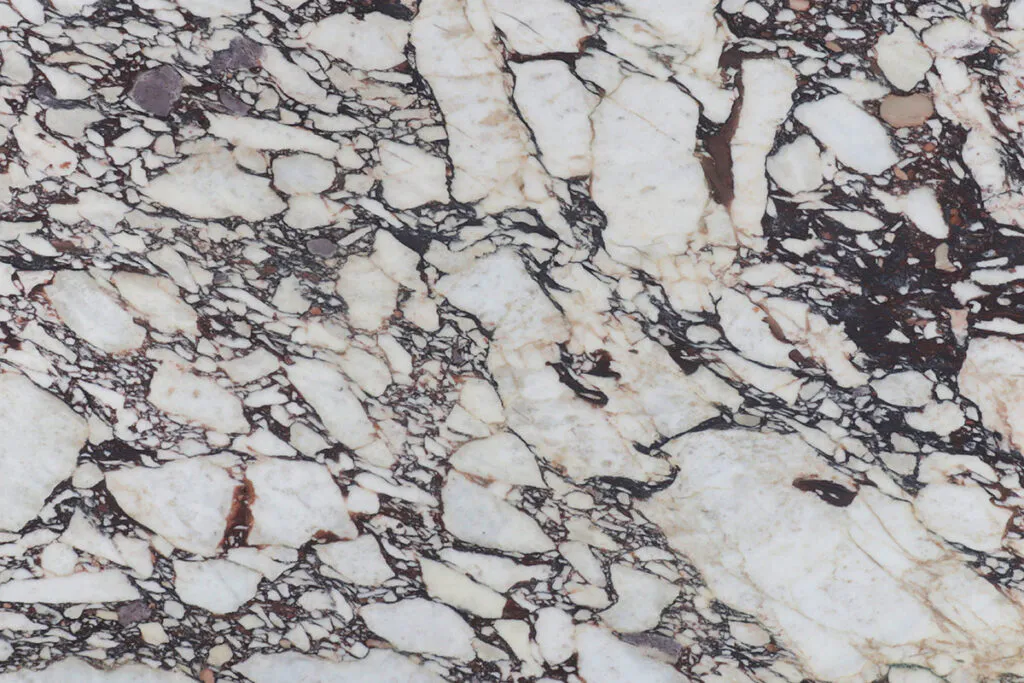
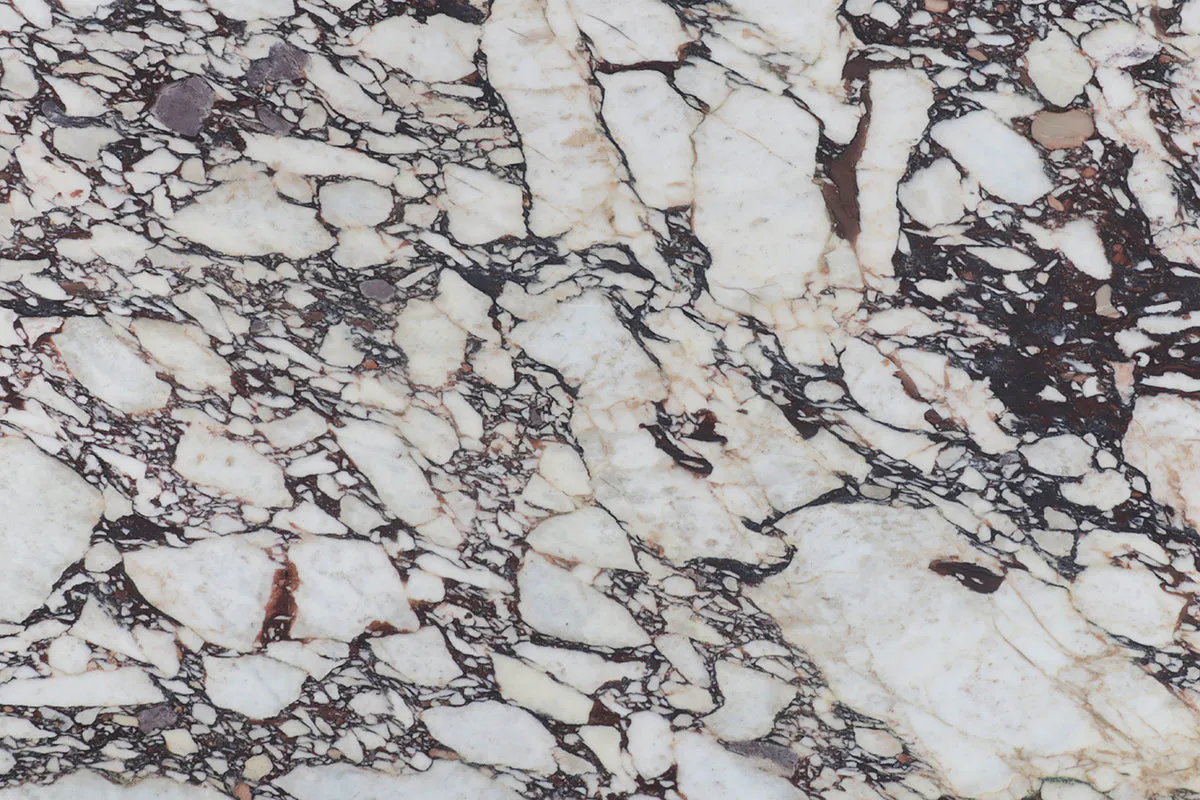 Calacatta Viola