
Vintage Marble Tables: What Makes Them, and What to Check
Why some marble tables read as vintage, how to tell wear from damage, and what to check when a marble top sits on a wooden base.
A marble table can look fifty years old without being fifty years old. The “vintage” read almost never comes from the stone — it comes from the shape, the base, the edge and the finish. Here is how to tell a genuinely aged piece from a new one with vintage character, and what to check before you commit.
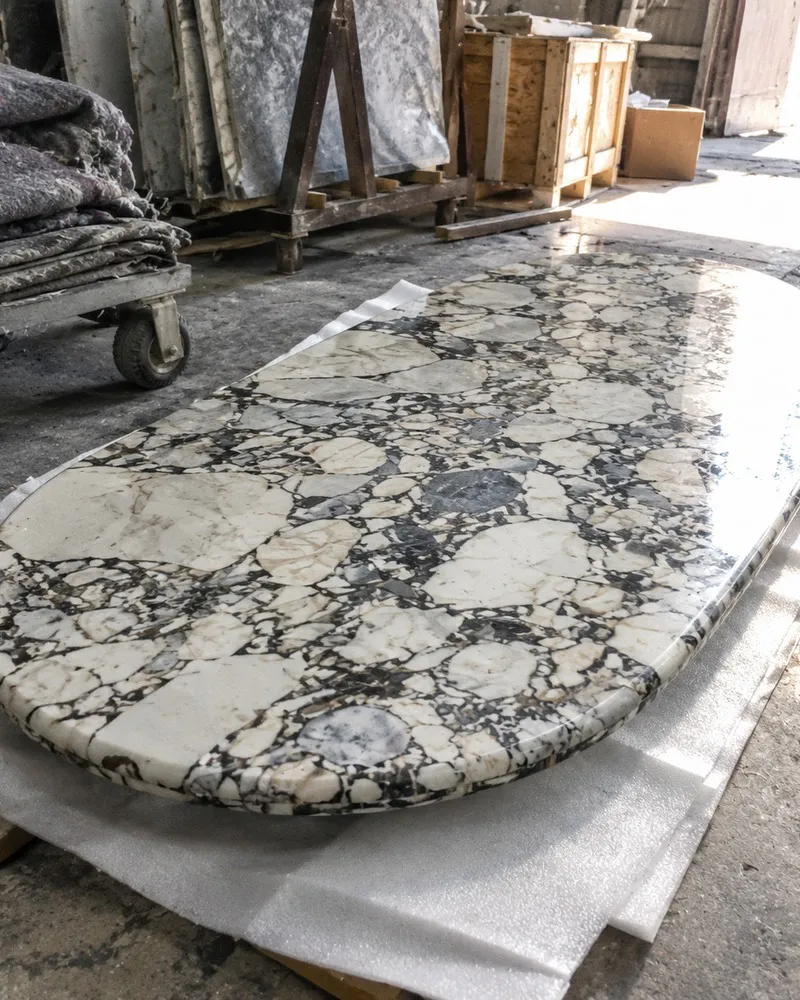
We cut every table from a single slab in our own factory, so a “vintage” commission is something we build deliberately — edge, base and finish — rather than something we age artificially. These notes explain the reference we work to.
1. What actually makes a marble table look vintage
It is rarely the marble itself. Stone does not age the way wood does — a slab quarried fifty years ago and a slab quarried last month can look identical if both have been kept out of the sun. What reads as vintage is almost always one of four things: the shape of the top, the base it sits on, the edge profile, and the finish.

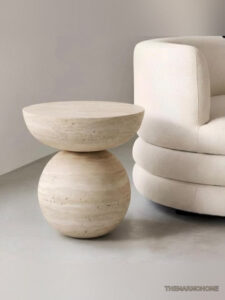
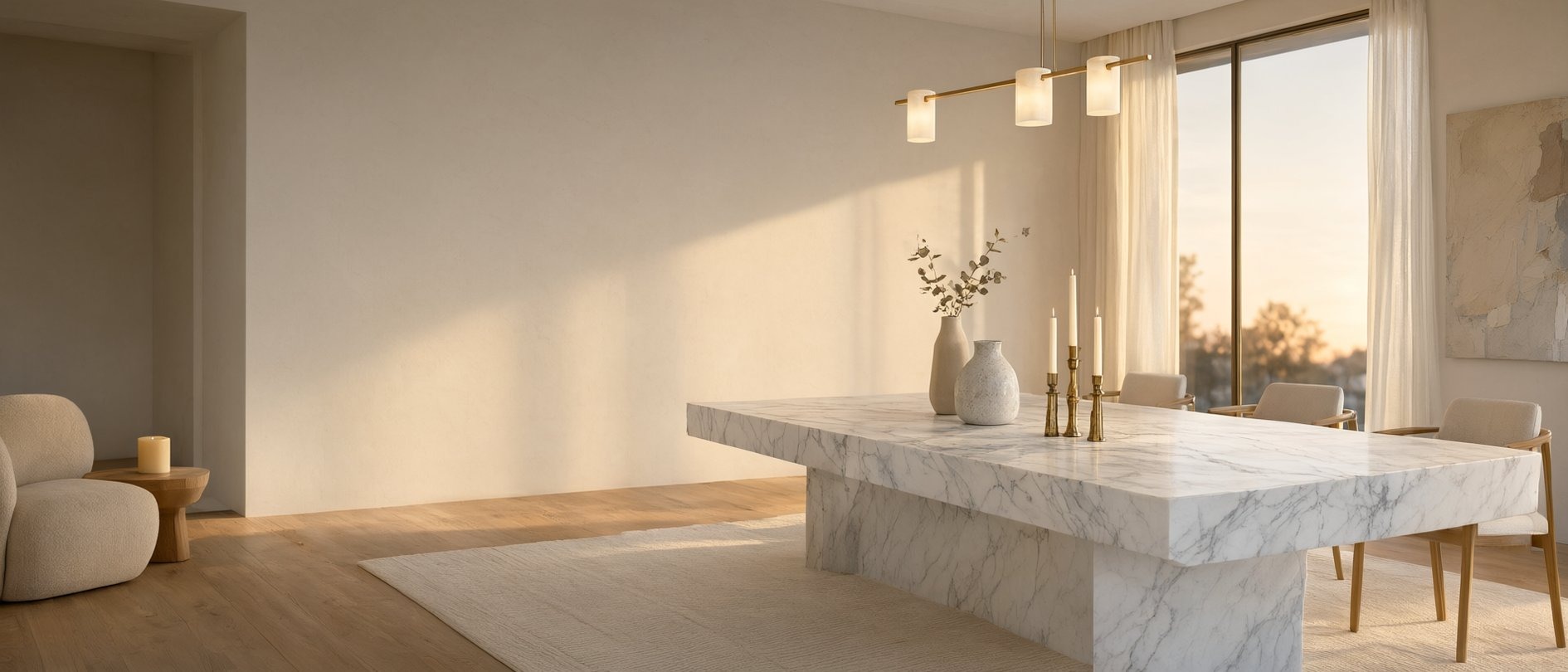
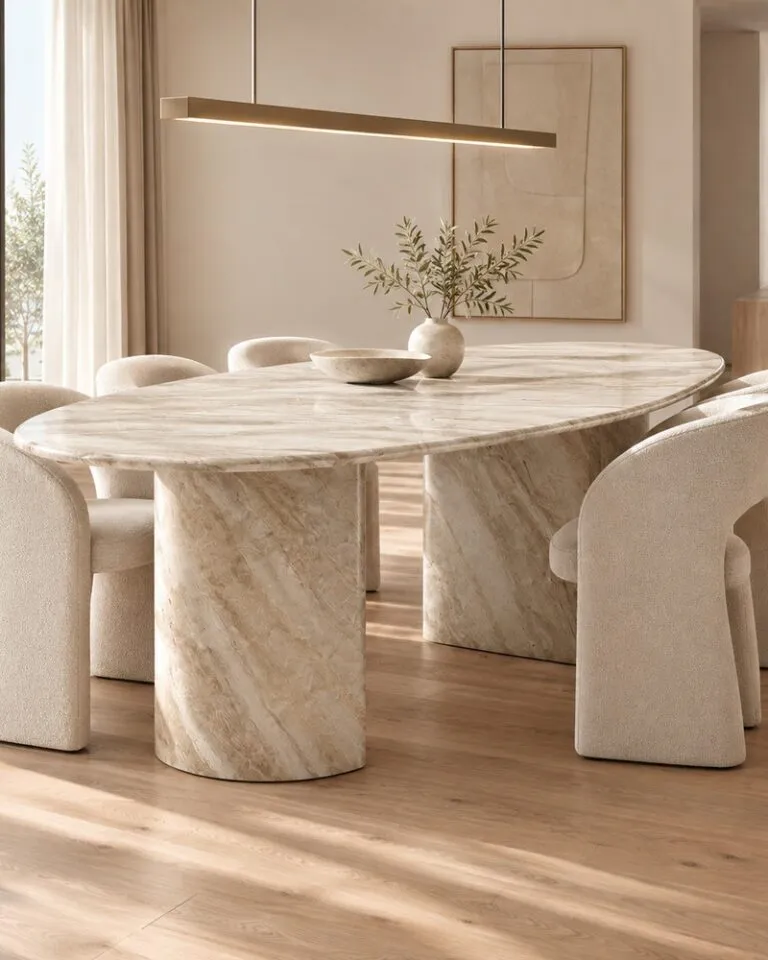
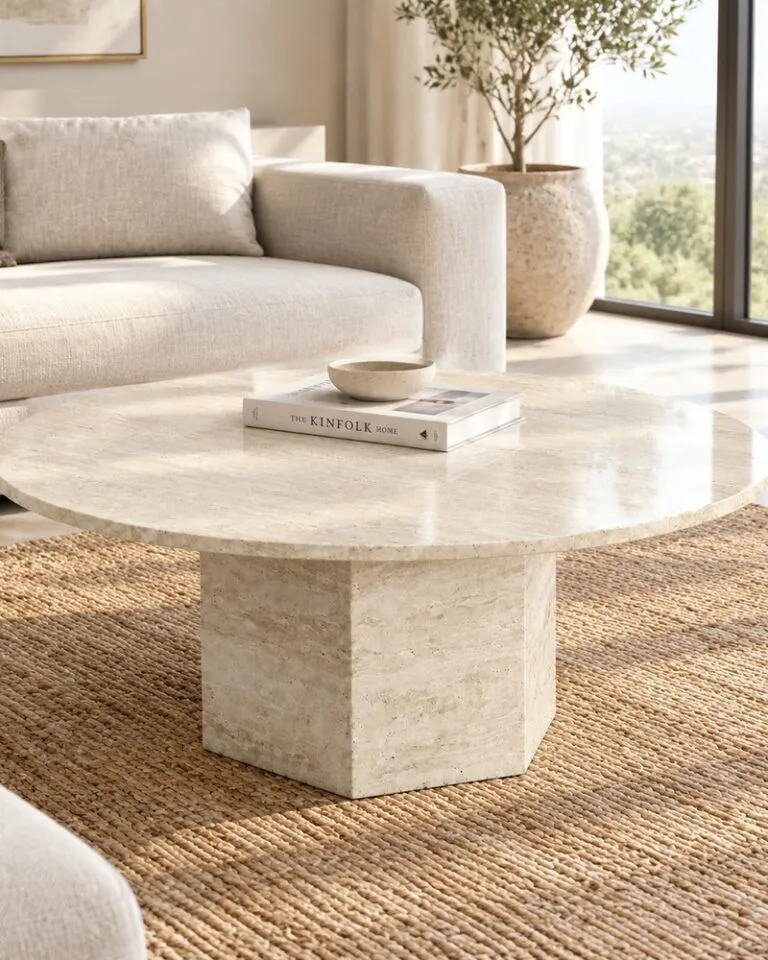
Shape first. Mid-century and earlier stone tables were usually modest in size and often round or softly rectangular, because they were cut from blocks that could be moved by hand. The enormous single-slab dining tables of the last two decades are a modern capability, not an old one. A small, thick, slightly irregular top on a simple base will read older than a two-metre polished rectangle, whatever the stone.
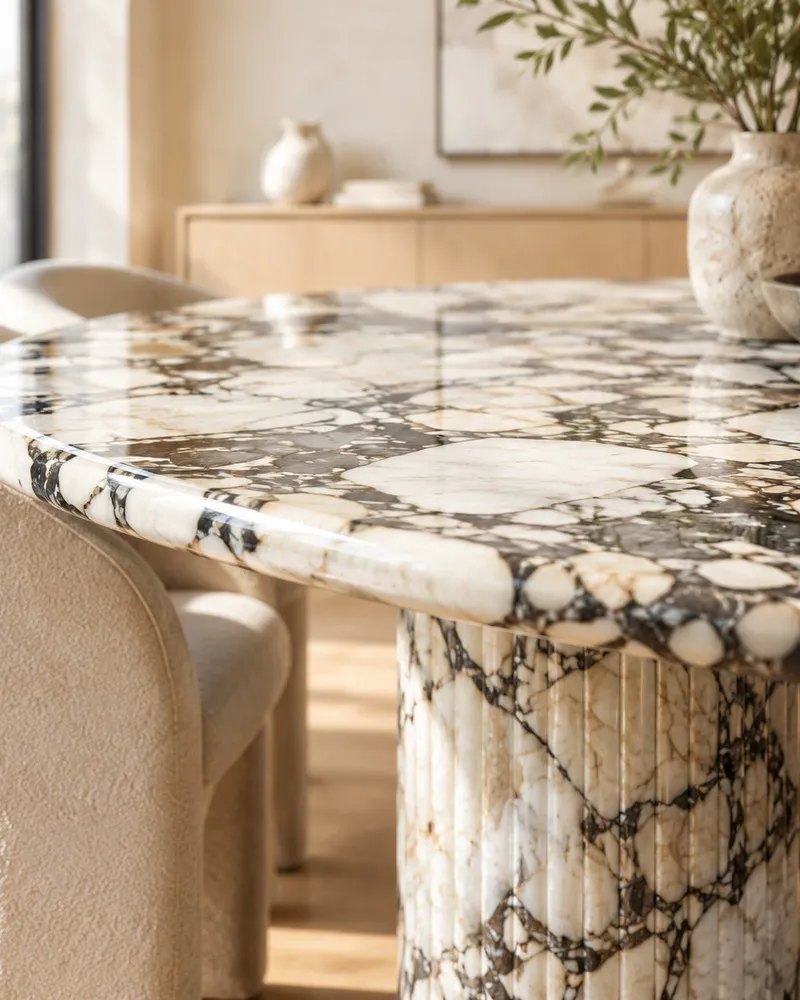
Then the edge. A crisp square edge is a contemporary detail. Older pieces were usually finished with a small chamfer, a soft bullnose or a hand-eased edge, because it was kinder to both furniture and shins. If you are commissioning a piece with a vintage reference, the edge profile does more work than the colour.
2. Patina: wear versus damage
Marble does develop a patina, but slowly and subtly. A honed or unpolished surface that has been wiped thousands of times goes slightly softer and more matte; a polished surface keeps its gloss longer but shows every etch. None of this is a defect — it is the material doing what stone does.
The line to learn is between wear and damage. Wear is even and expected: a softened edge, a faintly honed sheen, light marks that follow the grain of the stone. Damage is localised: a sharp chip at a corner, a crack running through the slab, a stain that has soaked deep and will not lift. A vintage piece with honest wear is a better buy than a “perfect” new one with a hidden repair.
3. What to check before you buy
Whether you are buying an old piece or commissioning a new one with vintage character, check four things:
- The edge and corners. Run a finger along the edge. Honest wear feels even; a repair feels filled or slightly proud of the surface.
- The base and joints. On vintage pieces the base was often wood or a thinner stone. Look for wobble, old fixes, or a base that does not match the top.
- The finish. Decide between honed (soft, matte, period-appropriate) and polished (glossy, modern). Most vintage references are honed.
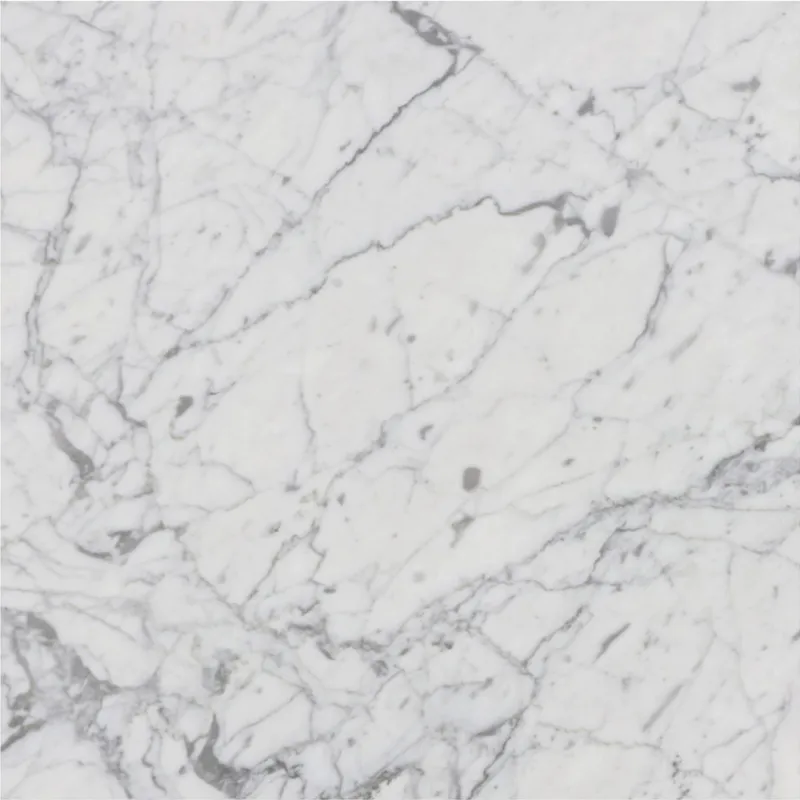
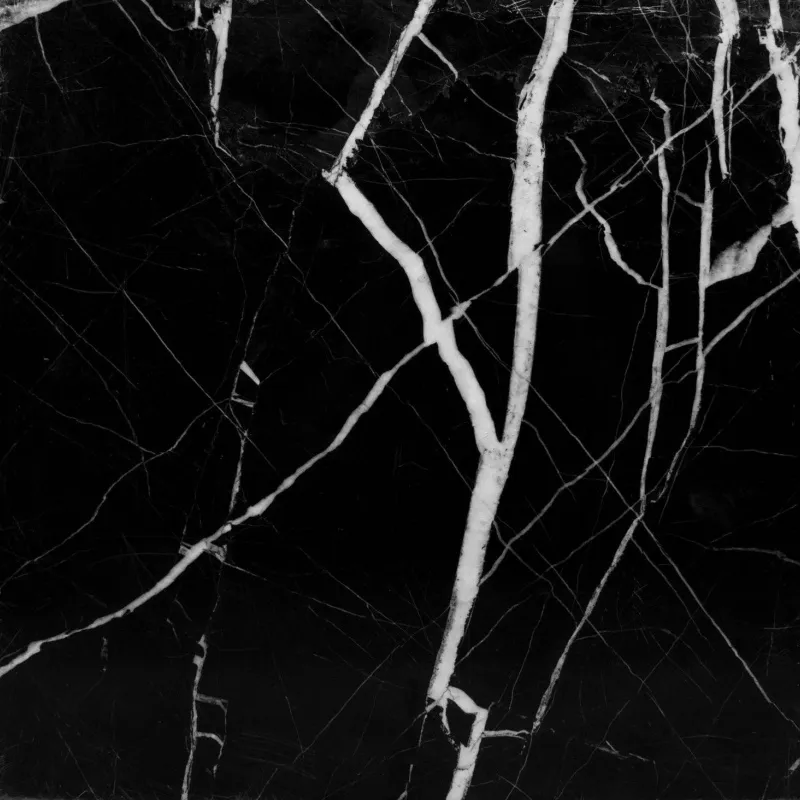
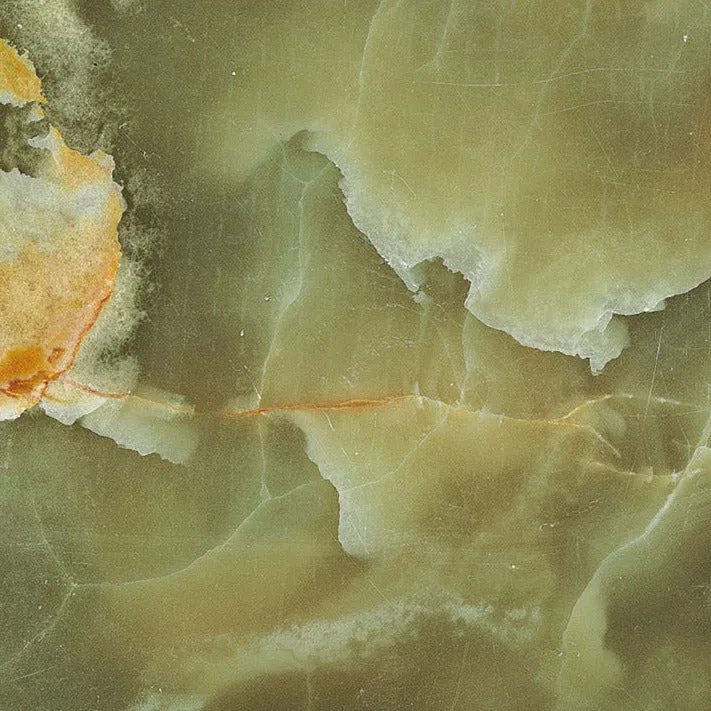
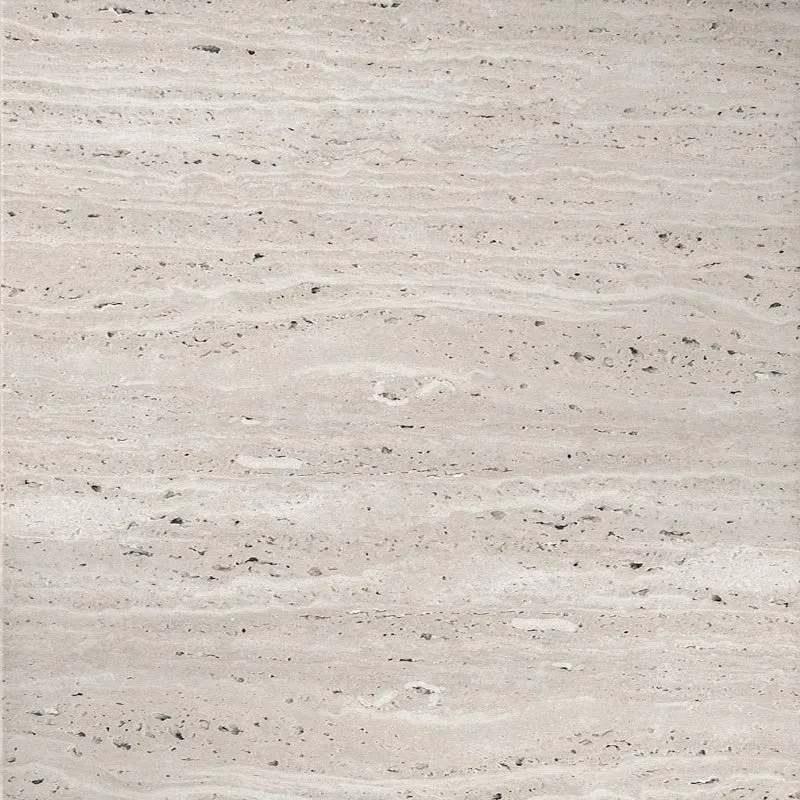
- The slab itself. A single, book-matched slab reads richer than a pieced top. See our stone guide for how different stones behave.

Frequently asked
Is old marble more fragile than new marble? No. Stone does not weaken with age — a fifty-year-old slab is structurally the same as one quarried last month. What ages is the finish and the fittings.
How do I tell wear from damage? Wear is even and expected; damage is localised — a chip, a crack, or a deep stain. A piece with honest wear beats a “perfect” one with a hidden repair.
Can you make a new table look vintage? Yes. The reference comes from edge, base, proportions and a honed finish, not the stone. We build new pieces with deliberate vintage character.
Does a vintage-style marble table cost more? A hand-finished edge and a considered base add some labor, but the stone is the same. You pay for the making, not for age.
Related guides
Want a piece with vintage character, built new? Tell us the stone and the edge profile you have in mind and we will send slab photos before we cut. Shipping is insured and door to door; orders over $3,000 ship free.



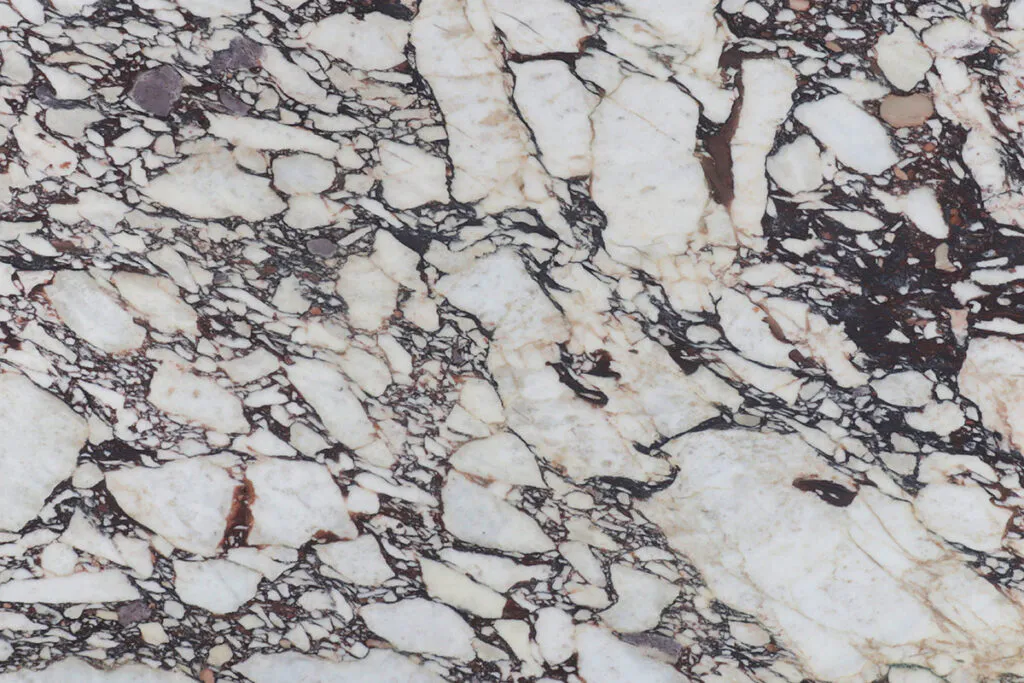
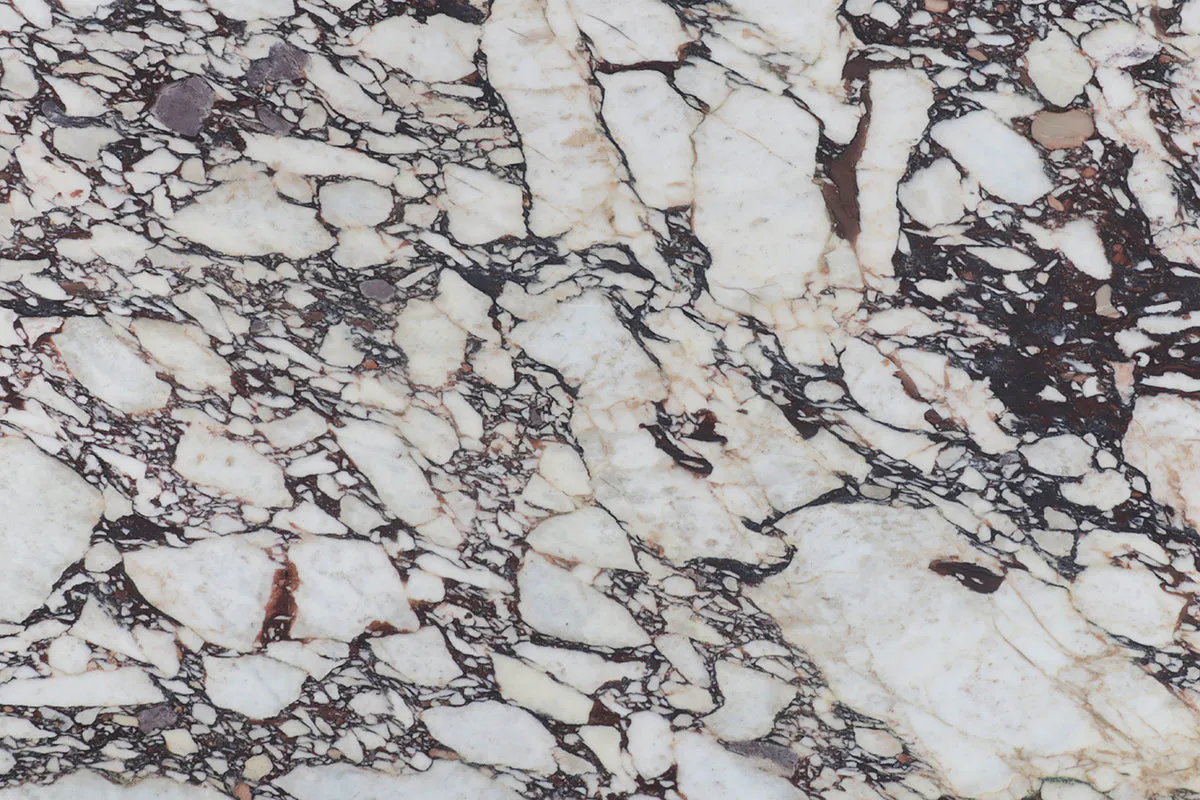 Calacatta Viola